
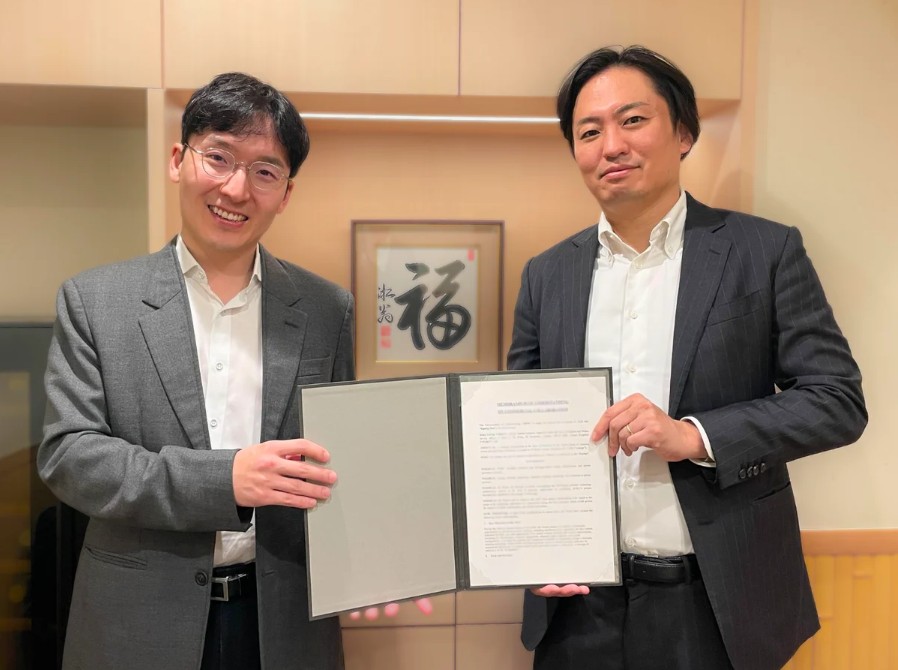
Amogy and Hoku Infrastructure have teamed up to advance ammonia-to-power projects targeting data centres in Japan and Asia.
The collaboration aims to deploy Amogy’s ammonia-cracking technology in pilot projects that deliver reliable, zero-carbon electricity to high-demand facilities such as data centres and semiconductor plants. It underscores a critical push in Asia, where surging AI and cloud computing workloads are straining power grids and accelerating the hunt for scalable clean energy solutions.
Under the agreement, the partners will assess distributed power generation systems that convert ammonia into electricity via fuel cells or engines, bypassing direct emissions.
“Partnering with Amogy allows us to assess how ammonia-based power systems can be integrated into future energy projects and support a reliable, low-carbon power supply,” said John Gorman, Representative Director of Hoku.
Hoku Infrastructure sees this as a way to provide 24/7 power to facilities facing grid constraints and tight decarbonisation timelines. With its national hydrogen and ammonia strategy tied to 2050 net-zero goals, Japan serves as the launchpad but the model could extend to other regional hubs hungry for firm power beyond intermittent renewables.
“Countries across Asia have been on the leading edge of evaluating how ammonia can serve as a practical, scalable zero-carbon fuel. Amogy has been proud to support this effort, and partnering with Hoku will enable us to expand our footprint and impact in Japan,” said Seonghoon Woo, CEO of Amogy.
The significance for Asia’s data centre boom cannot be overstated. Operators from hyperscalers to edge providers grapple with land scarcity, regulatory pressure on emissions, and the need for uninterrupted supply to support AI training and real-time services.
Ammonia-based systems offer a dispatchable alternative, sidestepping some battery storage costs while leveraging Japan’s advanced fuel infrastructure and regional trade in low-carbon ammonia. If pilots succeed, this could accelerate adoption across Southeast Asia and beyond, aligning digital growth with energy transition goals and easing pressure on overstretched grids.
 Entelechy Asia