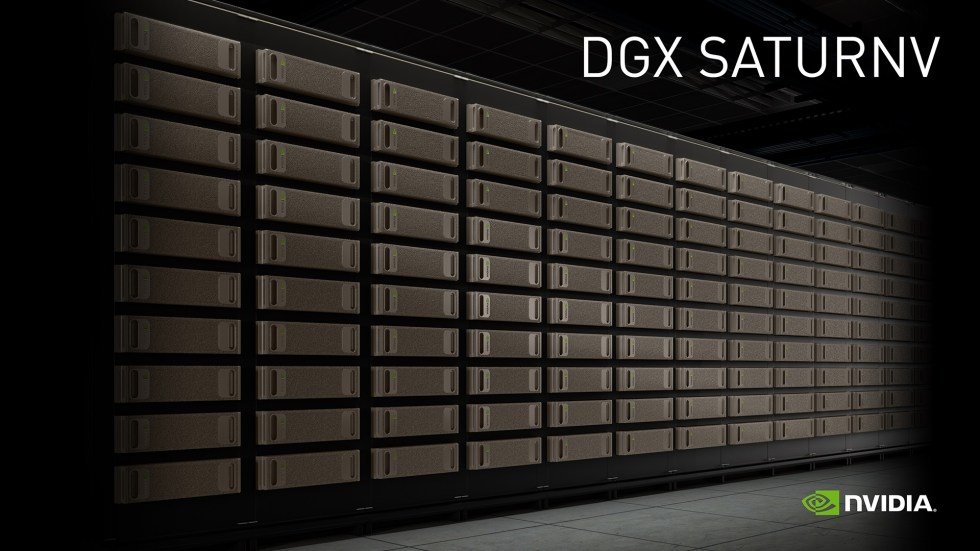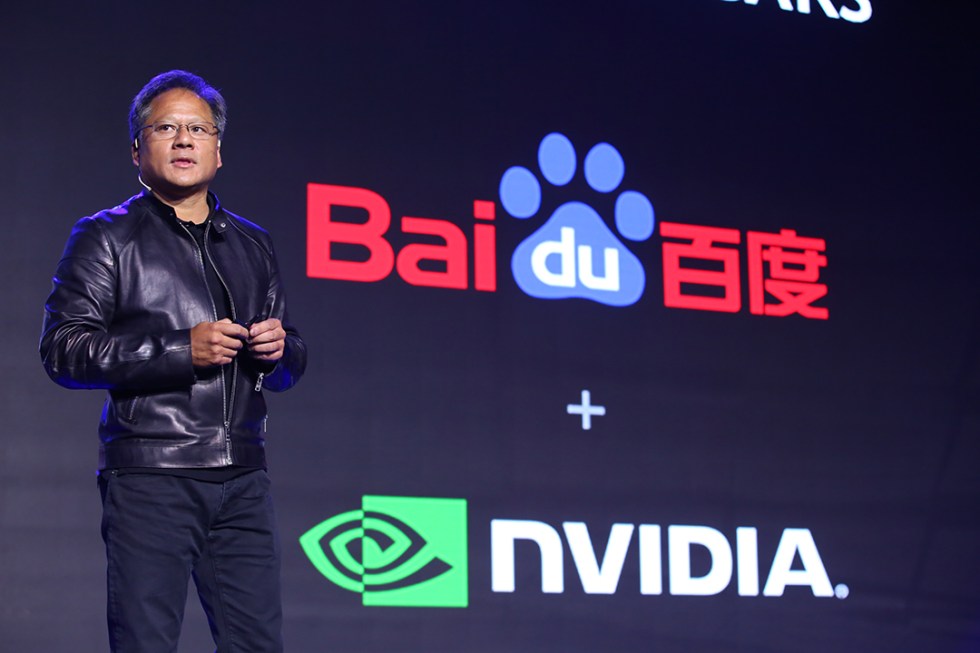
 NVIDIA is investing in Deep Instinct, an Israeli-based startup that uses deep learning to thwart cyber attacks.
Deep Instinct uses a GPU-based neural network and CUDA to achieve 99 percent detection rates, compared with about 80 percent detection from conventional cyber security software. Its software can automatically detect and defeat the most advanced cyber attacks.
“Deep Instinct is an emerging leader in applying GPU-powered AI through deep learning to address cybersecurity, a field ripe for disruption as enterprise customers migrate away from traditional solutions. We’re excited to work together with Deep Instinct to advance this important field,” said Jeff Herbst, Vice President of Business Development of NVIDIA.

 Singapore’s Ministry of Communications and Information (MCI) and the Cyber Security Agency of Singapore (CSA) are seeking feedback on the proposed Cybersecurity Bill.


 NVIDIA is among six technology companies to receive a total of US$258 funding from the US Department of Energy’s Exascale Computing Project (ECP).
 OpenSynergy’s COQOS SDK v9.0 virtualisation platform now supports ARMv8-A architectures.
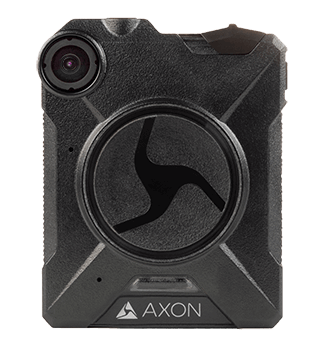 As the enterprise wearable camera market continues to grow through law enforcement, field services and first responder applications due to their ability to collect evidence and record interactions, so do privacy and data protection concerns, according to ABI Research.
 Shanghai and Singapore are among the world’s top four cities that are ready for autonomous vehicles, according to Canalys.
 Singapore will be focusing on four technology areas to build the foundation for its digital transformation. These are artificial intelligence (AI) and data science, cybersecurity, immersive media, and Internet of Things and future communications infrastructure.
 Robots driven by artificial intelligence (AI) are replacing workers in various labour-intensive and service sectors but doctors, lawyers and even IT professionals are at risk of being made redundant. Or at least, certain aspects of each of these practices.


 Facebook is developing new artificial intelligent (AI) systems to help manage the vast amount of information — such as text, images and videos — generated daily so people can better understand the world and communicate more effectively, even as the volume of information increases.
 Can’t say this was unexpected as NVIDIA retorts Google’s claim that its custom ASIC Tensor Processing Unit (TPU) was up to 30 times faster than CPUs and NVIDIA’s K80 G for inferencing workloads.
 Governments in Asia Pacific are notably vested in the Internet of Things (IoT) technologies because it enables a broad new range of citizen services, according to IDC’s 2016 Global IoT Decision Maker Survey.
 NVIDIA and Microsoft are working on a new hyperscale GPU accelerator that will provide hyperscale data centres with a fast, flexible path for artificial intelligence (AI).


 Advances in various technologies will drive users to interact with their smartphones in more intuitive ways, said Gartner. It expect that, by 2019, 20 percent of all user interactions with the smartphone will take place via virtual personal assistants (VPAs).