
LG is developing a next-generation bi-pedal humanoid robot based on NVIDIA’s Isaac GR00T foundation model. Expected to be introduced in Q1 of 2027, the project follows an agreement by both companies across robotics, AI factories […]
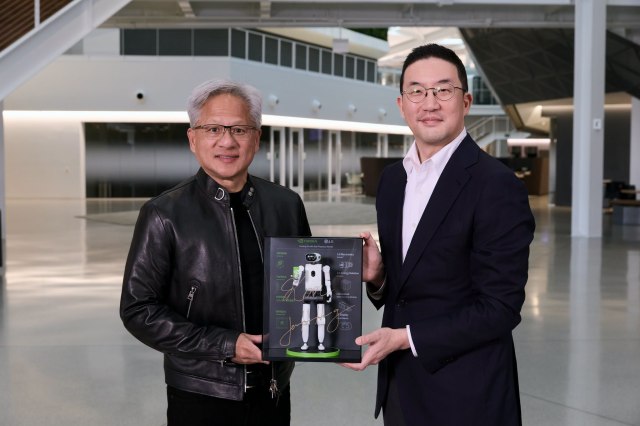
LG is developing a next-generation bi-pedal humanoid robot based on NVIDIA’s Isaac GR00T foundation model. Expected to be introduced in Q1 of 2027, the project follows an agreement by both companies across robotics, AI factories […]

LG has launched its second-generation LG CLOi GuideBot multi-purpose customer service robot in Singapore. The autonomous robot is designed to provide wayfinding, enhance security and create advertising opportunities for customers. It is suitable for deployment […]
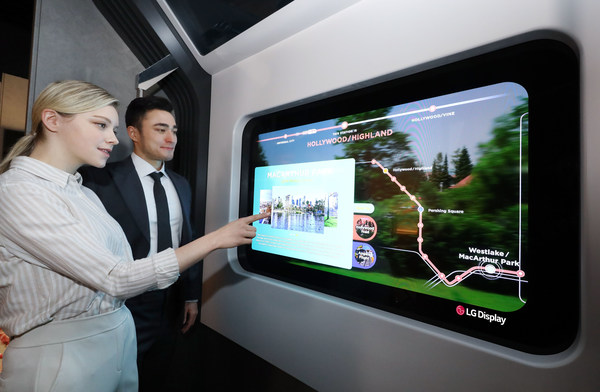
CES 2021 may not be a physical event this year but that is not going to stop brands from gaining a headstart in 2021. LG Display will be debuting transparent OLED applications that are aimed […]
 The list is growing. Amazon has joined Ericsson, LG and NVIDIA in pulling out from MWC Barcelona. Held from February 24 to 27, the leading mobile event is expected to see fewer participants this year because of the novel coronavirus situation.
 The worldwide tablet market shed seven percent in Q2 to 44.7 million units, according to IDC. Quarter on quarter, the drop was 3.9 percent.
The market was not helped with the lack of hardware innovation and new products.
“Beyond the decline, we are seeing a profound shift in the vendor landscape as the top two vendors, Apple and Samsung, lose share in the overall market. In the first quarter of the year, Apple and Samsung accounted for 45 percent of the market and this quarter, with the growth of vendors like LG, Huawei, and E FUN, their combined share dropped to 41 percent,” said Jean Philippe Bouchard, Research Director for Tablets of IDC. .
 Smart watches may well provide the biggest opportunity for flexible displays in the short term, according to ABI Research.
A number of new smart watch vendors have incorporated some form of flexible display technology to maximise the screen size of the small device. Most of the digital smart watches and other fitness and health wearable devices will incorporate a flexible display over the next 18 months due to the robust and rugged characteristics of the displays.
Furthermore, flexible displays or e-ink displays could be used as secondary displays on smartphones and media tablets. Phablets are predicted to be a key application for secondary displays — it is anticipated that more than six percent of annual phablet shipments could include the display type in 2015.
Demand for mobile phones continue to grow. In Q2, the worldwide mobile phone market grew six percent year over year, according to the IDC Worldwide Quarterly Mobile Phone Tracker.
Vendors shipped a total of 432.1 million mobile phones in Q2 compared to 407.7 million units in the corresponding quarter of 2012. The Q2 total was also slightly higher than the 428.8 million units shipped in Q1.
The growth in the mobile phone market was partly driven by vendors from outside the Top 5 who experienced torrid shipment growth that outpaced the overall market. Several vendors, including Alcatel and Huawei, had high double- and triple-digit growth rates in Q2 for their Android-based offerings shipped to high-growth countries such as China and India. These vendors from outside the Top 5 accounted for 44.8 percent of the overall shipment volume, up from 42.2 percent in the same quarter one year ago.

