
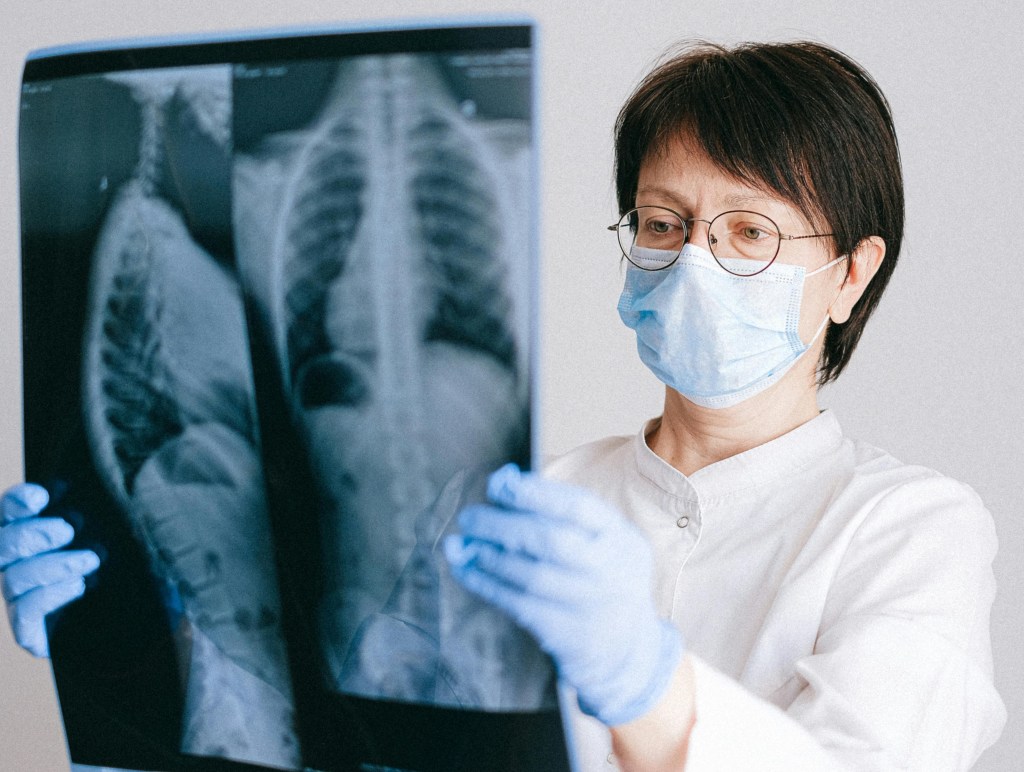
Researchers have successfully trained an artificial intelligence (AI) model to accurately diagnose pneumonia, COVID-19 and other lung diseases with an impressive 96.57 percent accuracy rate.
Conducted by teams from Charles Darwin University (CDU), United International University and Australian Catholic University (ACU), the collaborative study is a significant leap forward in the field of medical imaging and diagnosis.
The innovative AI model analyses lung ultrasound videos frame by frame to identify crucial lung features and assessing temporal patterns. By recognising specific indicators of various lung diseases, the system can classify ultrasounds into diagnostic categories, including normal, pneumonia, COVID-19, and other respiratory conditions.
What sets this AI model apart is its use of explainable AI techniques, which allow radiologists to understand and trust the results generated by the machine learning algorithms.
“The system shows doctors why it made certain decisions using visuals like heatmaps. This interpretation technique will aid a radiologist in localising the focus area and improve clinical transparency substantially,” said Associate Professor Niusha Shafiabady, Co-author and CDU adjunct.
The potential impact of this technology on healthcare is massive. By providing quick and accurate diagnoses, supporting decision-making processes, and serving as a valuable training tool, the AI model could significantly enhance the efficiency and effectiveness of radiologists.
Moreover, the system’s adaptability suggests with appropriate data, it could be trained to identify a broader range of lung diseases, including tuberculosis, black lung, asthma, cancer, chronic lung disease, and pulmonary fibrosis.
The technology’s ability to assist in early detection and accurate diagnosis could lead to improved patient outcomes and more targeted treatment strategies.
The research team is exploring potential avenues for expanding the model’s capabilities, including training it to assess other imaging modalities such as CT scans and X-rays.
Photo: Anna Shvets
 Entelechy Asia