
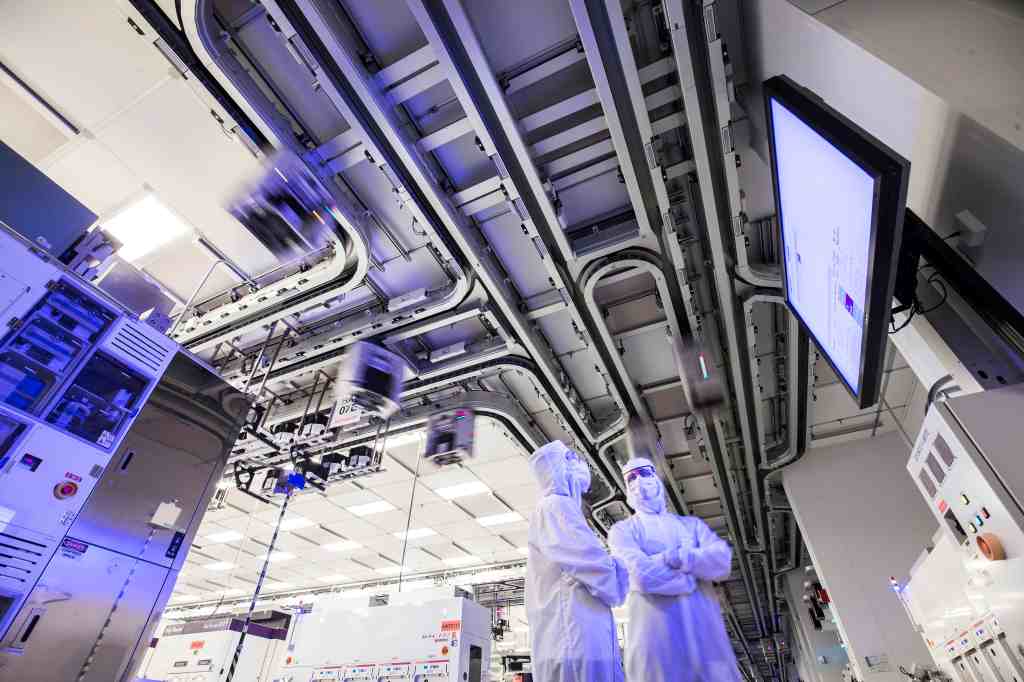
GlobalFoundries (GF) has acquired Singapore-based silicon photonics foundry Advanced Micro Foundry (AMF).
AMF’s manufacturing assets, intellectual property, and skilled workforce in Singapore will complement GF’s existing technology portfolio and production capacity in Singapore and the US.
The deal establishes GF as the world’s largest pure-play silicon photonics foundry by revenue.
“Silicon photonics technology is essential for AI infrastructure. Acquiring AMF enables GF to deliver an expanded, and differentiated, decade-long roadmap for pluggable transceivers and co-packaged optics, while accelerating growth of photonics into adjacent markets such as automotive and quantum computing,” said Tim Breen, CEO of GF.
Leveraging AMF’s manufacturing expertise, GF will be able to meet demands in long-haul optical communications, computing, LiDAR, and sensing on AMF’s 200mm platform in Singapore. It plans to scale to 300mm as market needs grow to ensure reliable global supply for AI data centres, communications and next-generation applications.
GF will also set up a silicon photonics research centre in partnership with the Agency for Science, Technology and Research (A*Star) to further innovation.
“With complementary technology portfolios, we are proud to join forces with a trusted manufacturer with global reach, and together, look forward to advancing silicon photonics technology for a broader range of markets and customers,” said Jagadish CV, CEO of AMF.
Semicon industry moves
The acquisition reflects the broader semiconductor industry’s surge in M&A activity focused on scaling AI and data centre infrastructure capabilities.
Over the past year, Meta purchased chip startup Rivos to strengthen custom AI chip design; Intel acquired Tower Semiconductor for US$5.4 billion to expand foundry capacity; and Onsemi’s took over Aura Semiconductor’s Vcore power technology to enhance AI data centre power management solutions.
The surge in acquisitions highlights the US$627 billion semiconductor sector’s robust growth trajectory, driven heavily by AI and data centre demands.
Photo: GlobalFoundries
 Entelechy Asia