
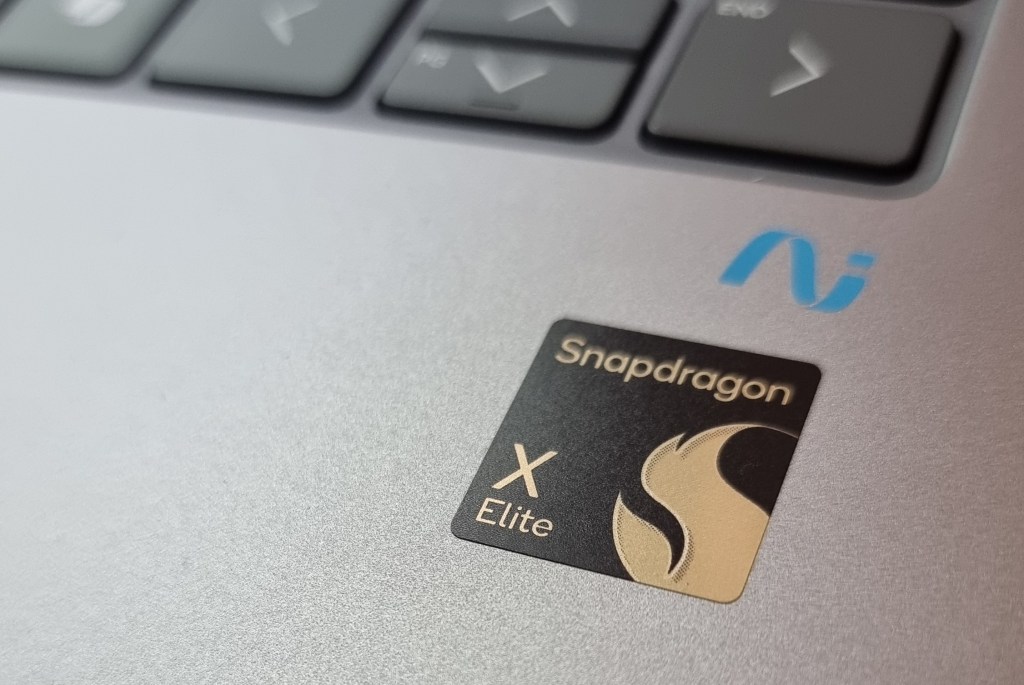
AI PCs are projected to account for 31 percent of total worldwide PC market by the end of 2025, representing an estimated 77.8 million units shipped globally, according to Gartner.
The estimation is a slight downward revision from an earlier forecast in 2024 with the research firm then expecting about AI PCs to account for 43 percent of all PC shipments.
“AI PCs are reshaping the market, but their adoption in 2025 is slowing because of tariffs and pauses in PC buying caused by market uncertainty. Nevertheless, users will invest in AI PCs to ensure they are prepared for the growing integration of AI at the edge,” said Ranjit Atwal, Senior Director Analyst of Gartner.
Despite temporary slowdowns, Gartner expects shipments of AI PCs to soar to 143 million units by 2026, composing 55 percent of the PC market. By 2029, AI PCs are expected to become the industry norm.
Evolution of AI PCs
AI PCs process AI workloads with specialised hardware such as neural processing units (NPUs), alongside traditional CPUs and GPUs. Advanced AI features such as real-time natural language assistance, image generation and enhanced video performance can run locally without relying solely on the cloud for faster response times, improved privacy and lower energy consumption.
Major PC vendors have rapidly introduced AI-capable models, while operating systems like Windows 11 and Apple’s silicon platforms push further integration of on-device AI features.
By the end of 2026, Gartner anticipates up to 40 percent of software vendors will offer AI capabilities directly on PCs, up from just two percent in 2024. Local small language models (SLMs) able to run advanced AI features securely on-device are emerging as a key trend, reducing dependency on cloud-based AI and enhancing user privacy.
Gartner urges PC vendors to innovate beyond hardware and focus on software-defined, user-centric experiences tailored to specific needs.
“The future of AI PCs is in customisation. It lets users configure their devices with the apps, features and functions they want. The more users interact with a vendor’s AI PC, the better the vendor understands them, allowing for ongoing improvements and stronger brand loyalty,” said Atwal.
 Entelechy Asia