
It has been a challenging start to the year for China’s smartphone market. Shipments dipped by one percent year-on year to 69.8 million units in Q1, according to Omdia.
Pressured by soaring component costs, especially memory, many vendors were forced to hike prices by 10-30 percent on select models, dampening consumer demand.
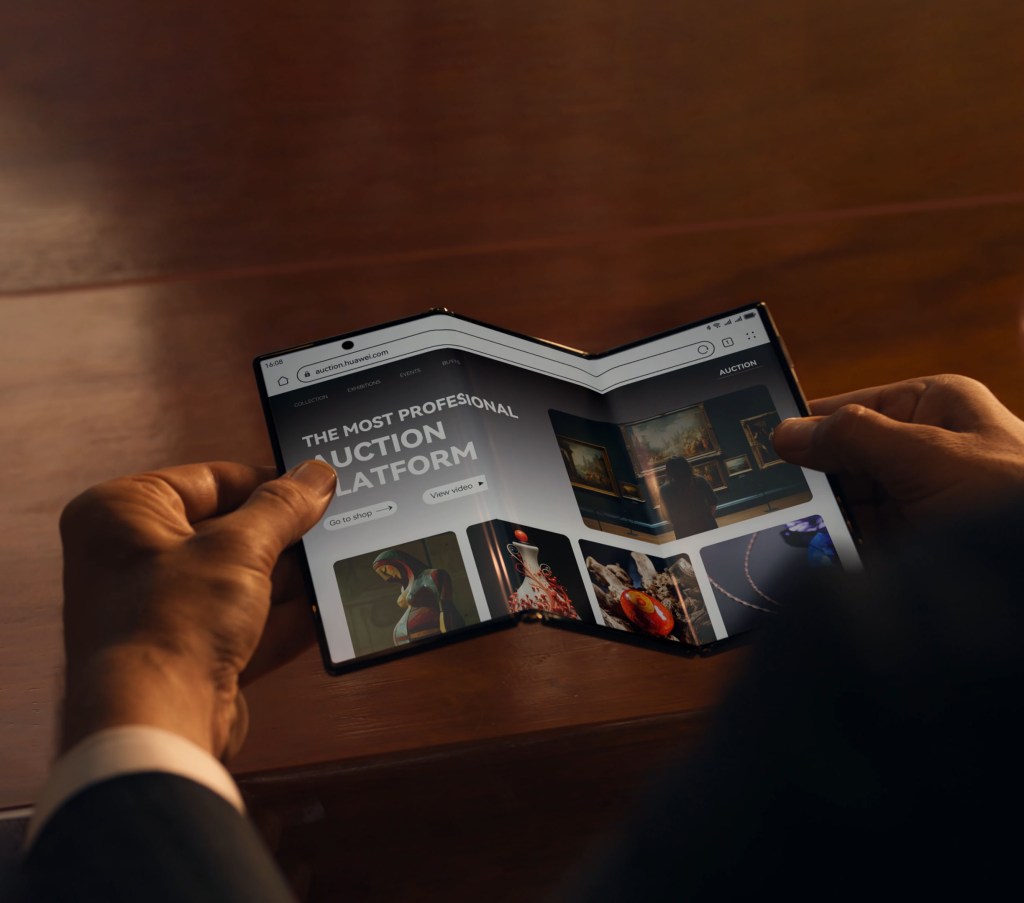
Leading the pack, Huawei held the top spot with 13.9 million units shipped, securing a robust 20 percent market share and seven percent growth from Q1, thanks to its strategy of largely avoiding broad price increases that made its devices more appealing amid cost pressures.
Apple came in second with 42 percent growth to 13.1 million units, snaring 19 percent share. It prioritised affordability to capture share while rivals such as Xiaomi, Oppo and Vivo raised prices to protect profitability.
Oppo ranked third with 11.0 million units (16 percent share, down three percent), bolstered by Realme’s reintegration, followed by Vivo at 10.5 million (15 percent share, flat) and Xiaomi at 8.7 million (12 percent share, plummeting 35 percent).
Together, the top six vendors — Huawei, Apple, Oppo, Vivo, Xiaomi, and Honor — commanded 94 percent of the market by leveraging superior supply chains, R&D, ecosystems, and distribution
“Memory volatility and AI’s trajectory will structurally alter the competitive landscape. As rising memory costs continue to bite, Omdia projects that China’s smartphone market will shrink by 10 percent in 2026,” said Hayden Hou, Principal Analyst of Omdia.

