
 While 3D printing is a much talked about topic these days with several startups getting crowdfunding to deliver such solutions, Gartner beileves that the technology is five to 10 years away from mainstream adoption.
The research firm pointed out that consumer adoption will be outpaced by business and medical applications that have more compelling use cases in the short term.
“Consumer 3D printing is around five to 10 years away from mainstream adoption. Today, approximately 40 manufacturers sell the 3D printers most commonly used in businesses, and over 200 startups worldwide are developing and selling consumer-oriented 3D printers, priced from just a few hundred dollars. However, even this price is too high for mainstream consumers at this time, despite broad awareness of the technology and considerable media interest,” said Pete Basiliere, Research Vice President of Gartner.

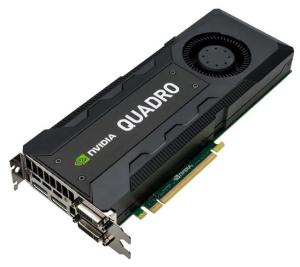 NVIDIA has unveiled its next generation of NVIDIA Quadro GPUs — the K5200, K4200, K2200, K620, and K420.
 emand for smartphones are on the rise with more 301.3 million units shipped worldwide in Q2, up 25.3 percent from the 240.5 million units shipped in the corresponding quarter last year, according to IDC.
 SIGGRAPH Asia 2014, Asia’s largest computer graphics (CG) event, will be held in Shenzhen, China, for the first time from December 3 to 6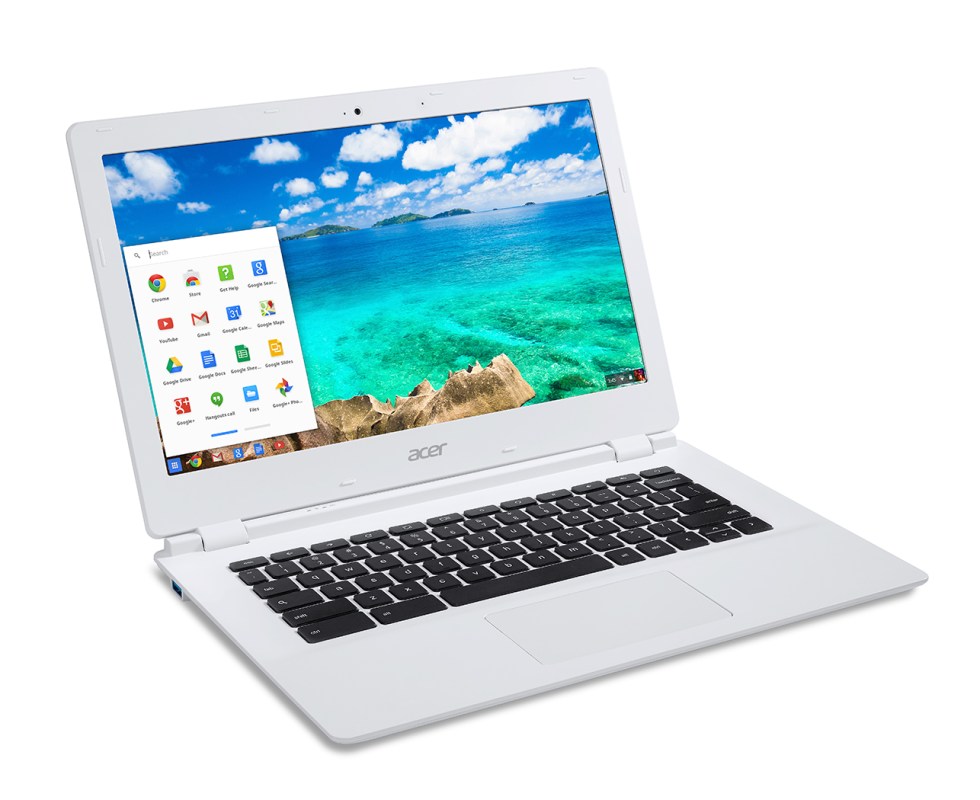
 Worldwide PC shipment hit 123.9 million units in Q2, representing year-on-year growth of 14 percent, according to Canalys. With no sequential growth, the positive effect that tablets have had on overall PC shipments is beginning to wear off.
 Messaging on Facebook will become a little more inconvenient as Messenger will become a separate app from Facebook app. This means that messaging will no longer be possible with the Facebook app.
 Hong Kong retailers believe that video surveillance has a direct impact on internal and external losses, according to a survey by Centre for Retail Research commissioned by Axis Communications

 NVIDIA has availed
  Worldwide combined shipment of devices (PCs, tablets, ultramobiles and mobile phones) are expected to reach 2.4 billion units in 2014, a 4.2 percent increase from 2013, according to Gartner.
 Smartphones (71 percent) and notebooks (74 percent) are widely issued by enterprises. However, according to a Frost & Sullivan survey, only 47 percent of enterprises issue tablets to their employees. The research firm expects these devices to bridge this gap over the next three years as many of the more data-intensive mobile applications migrate over to tablets.
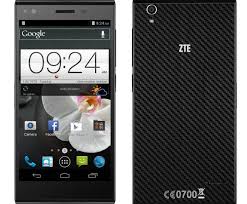
 With a highly-connected world where fast Internet access is vital, ZTE has pushed the envelope a little further with its pre-5G concept shared at LTE World Summit 2014 in Nice, France.
 3D printing has been all the rage this past year. And that’s now backed up by figures that show that this technology is gaining traction. According to Canalys, 26,800 3D printers were shipped worldwide in Q1.
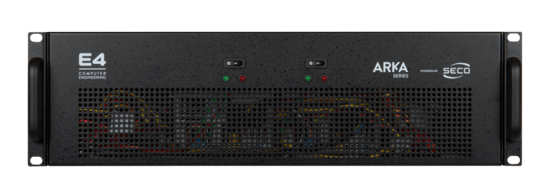
 NetApp has rolled out two new storage system platforms—the extreme-performance
  Samsung has retained its pole position in ABI Research’s tablet vendor Competitive Assessment. In the analysis of 23 leading tablet vendors, ABI Research ranked companies on several criteria for product implementation and vendor innovation. The Korean giant prevailed in the innovation category and finished second in the implementation strategy.
 NVIDIA has done the double by snaring the Computex Best Choice Award for its NVIDIA GRID technology and the Golden Award for the NVIDIA Tegra K1 mobile processor.
 Just as consumers are enthusing about 1Gbps fibre broadband, Huawei has upped the ante in wi-fi speed with the successful testing of 10Gbps wi-fi in laboratory trials at its Shenzhen campus.
 Enterprises have more options for deployment cost effective wireless local area networks (WLAN). Motorola Solutions’ new VX 9000 is a scalable WLAN cloud solution backed by the functionality of Motorola’s robust NX hardware controller.
 Apacer has launched the SATA 3 SFD 25H-M SSD, which features up to 1TB capacity with really fast sequential read/write speed of 510/420MB/second.
 High ownership of smartphones, tablets and phablets in Hong Kong have been positively impacting sales of complementary products such as headphones and headsets, as well as mini-speakers, according to GfK.
