
 China’s top technology companies are betting big on the NVIDIA Volta platform.
Alibaba Cloud, Baidu, and Tencent are incorporating NVIDIA Tesla V100 GPU accelerators into their data centres and cloud-service infrastructures to accelerate AI for a broad range of enterprise and consumer applications.
At the heart of the new Volta-based systems is the NVIDIA V100 data centre GPU. Built with 21 billion transistors, it provides a 5x improvement over the preceding NVIDIA Pascal architecture P100 GPU accelerators, while delivering the equivalent performance of 100 CPUs for deep learning. This performance surpasses by 4x the improvements that Moore’s law would have predicted over the same period of time.
Inspur, Lenovo and Huawei are using the NVIDIA HGX reference architecture to offer Volta-based accelerated systems for hyperscale data centres. Using HGX as a starter “recipe,” original equipment manufacturer and original design manufacturer partners can work with NVIDIA to more quickly design and bring to market a wide range of qualified GPU-accelerated AI systems for hyperscale data centres to meet the industry’s growing demand for AI cloud computing.
 Google has expanded its NVIDIA GPU offerings on the Google Cloud Platform. These include:
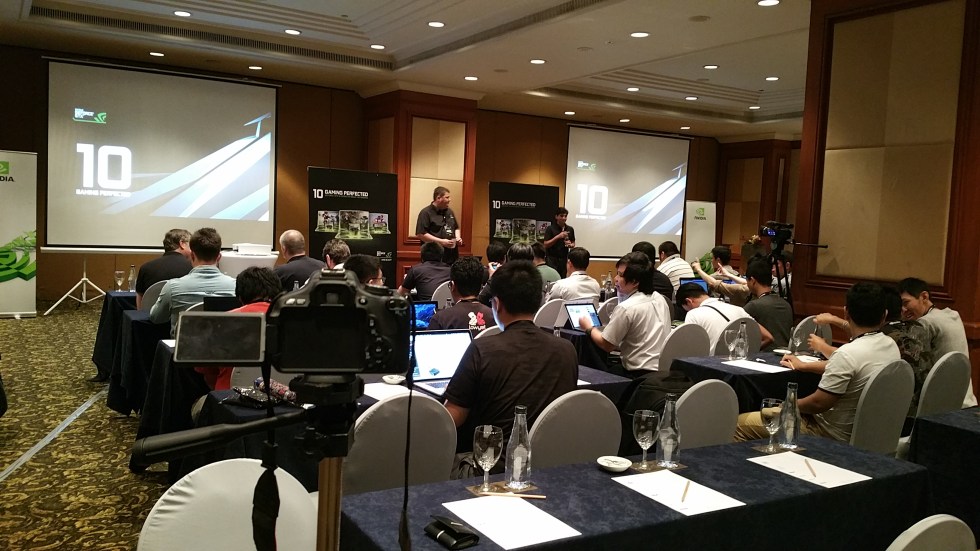
 With artificial intelligence (AI) being a hot topic this year, NVIDIA is organising its first AI-focused regional conference in Singapore on October 23 and 24.
 Consumer and enterprise PC purchases are driving growth in the Australia PC market, which includes desktop, notebook and workstation.
 Global semiconductor market is expected to grow 10.2 percent in 2017, to US$77.7 billion, according to Gartner.
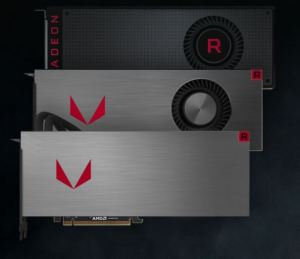 It’s been a long time coming but AMD has finally launched its new high end Radeon graphics cards. And it has done it in style, at Los Angeles to a gathering of global media, with three models — the Radeon RX Vega 64 Liquid Cooled Edition with 64 compute units
 PC shipment in the Asia-Pacific region surpassed 21,5 million units, down 5.1 percent in Q2 compared to the same period last year, according to Gartner.
 NVIDIA is investing in Deep Instinct, an Israeli-based startup that uses deep learning to thwart cyber attacks.

 The keynote address at Google I/O yesterday showed that Google is much more than just a search company. It is becoming more artificial intelligence (AI). Google is specifically using deep learning to help in many areas of everyday life.
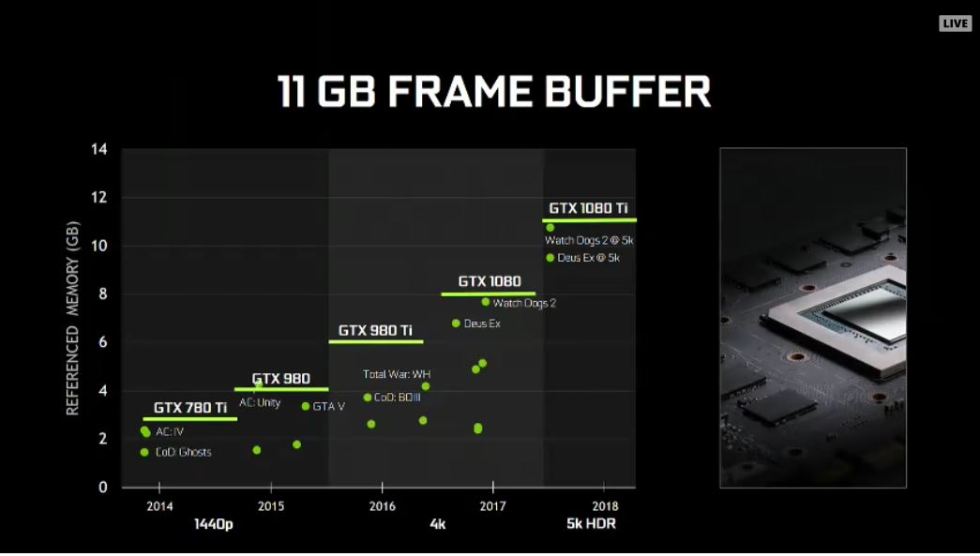



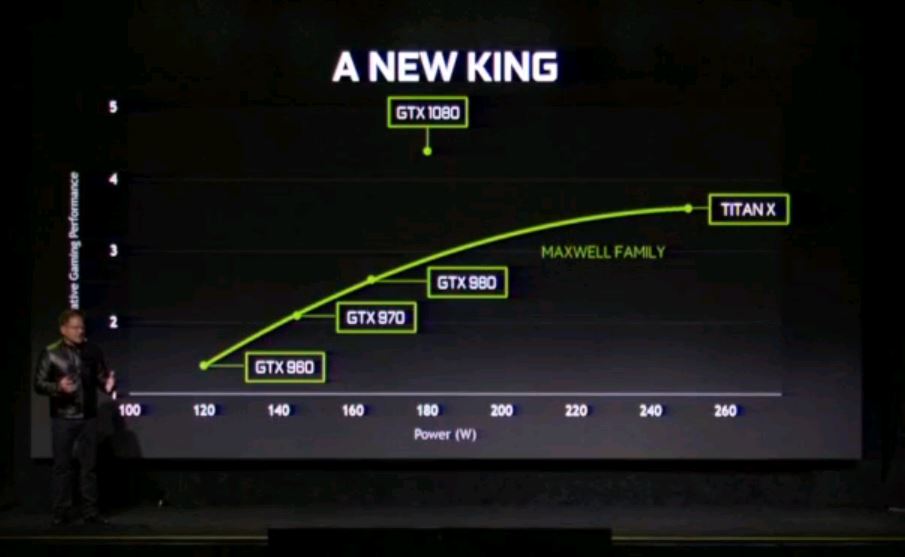
 News of an impending new NVIDIA GeForce graphics card based on next generation Pascal technology have been circulating wildly over the past few weeks.
 The personal computer (PC) is still alive and breathing. According to ABI Research, 163 million notebook PCs shipped globally in 2015.
 The global economy is hitting IT spending, with Gartner predicting just a 0.6 percent increase over 2015 spending of US$3.52 trillion.
 NVIDIA is paving the way to virtual reality (VR) gaming experiences with the launch of its new VR-ready programme at CES.
 NVIDIA has released the 1.0 version of two powerful VR software development kits (SDKs) — NVIDIA GameWorks VR and NVIDIA DesignWorks VR — to help developers deliver VR games and applications.
 Apple held on to its top spot despite a 16 percent drop in PC shipment in Q1. It shipped 17.2 million units, taking a 15 percent market share while Lenovo and HP came in second and third place respectively. Samsung was next with 9.5 million units shipped with Dell just behind with 9.4 million units.
