
 Tablet shipment grew 65.2 percent year-on-year to reach 76.3 million units in Q4, according to Canalys. This represents nearly half (48.3 percent) of the global PC market, which increased 17.9 percent during that period. Excluding tablets, shipment declined 6.9 percent year-on-year with falls in all regions.
Apple remained the PC market leader in Q4, shipping 30.9 million units to take a 19.5 percent share of the market. It shipped 26.0 million iPads, which accounted for 84.3 percent of its total shipment in Q4. Apple’s share of the overall tablet market increased sequentially from 27.3 percent to 34.1 percent, with the launch of the iPad Air and iPad mini with Retina display providing a much needed boost. The original iPad mini also fell in price, down to US$299 in the US, making it cheaper than ever to buy an iPad. But competition is mounting and Android tablets are falling in price, which will put pressure on Apple’s market share in 2014.
Lenovo secured an 11.8 percent share in Q4, narrowly holding onto second place. Lenovo’s PC shipments increased 25.5 percent year-on-year, driven by growth outside of its core Chinese market, where its shipment declined. Lenovo’s 11.7 percent decline in notebook shipments in China was offset by impressive growth in other regions, notably EMEA, where shipments grew 30.4 percent. Shipments in Latin America also grew strongly, following the acquisition of CCE in the first quarter of 2012.Lenovo was early to embrace Android as a tablet OS, while the likes of HP and Dell waited for Windows 8 and prioritized margin over volume. Lenovo’s strategy has paid off, not only in its home market but worldwide.
 Samsung Electronics is the world’s top semiconductor buyer, and together with second placed Apple, increased their combined semiconductor demand by 17 percent in 2013, according to Gartner.
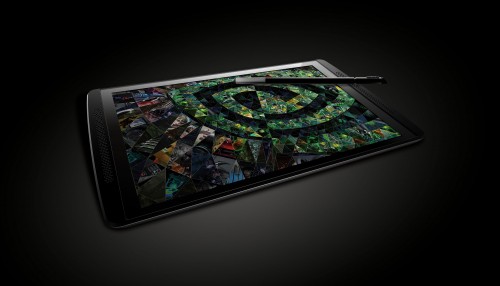
 NVIDIA unveiled at CES the Tegra K1 mobile processor, a 192-core super chip featuring the same NVIDIA Kepler architecture that powers the NVIDIA GeForce GTX 780 Ti. For the first time, next-generation PC gaming will now be available on mobile platforms.


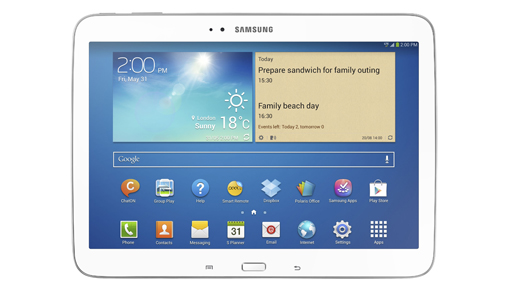
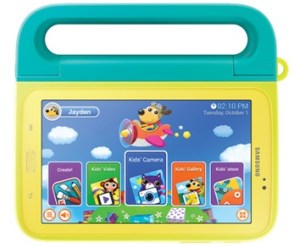 Parents in Singapore have another possible Christmas gift to buy for their young children. The new Samsung Galaxy Tab 3 Kids is a tablet built specifically for kids with the educational tools and safety features parents want.
 In four years’ time, your smartphone may be smarter than you. It will be able to predict your next move, next purchase or interpret actions based on what it knows, according to Gartner. This insight will be performed based on an individual’s data gathered using cognizant computing — the next step in personal cloud computing.
 Apple’s “iOS in the Car” will lead the market for in-vehicle infotainment (IVI) systems equipped with smartphone integration technologies, according to ABI Research.

 The wireless local area network (WLAN) hardware market in ANZ continued to grow for the third consecutive quarter, according to IDC.
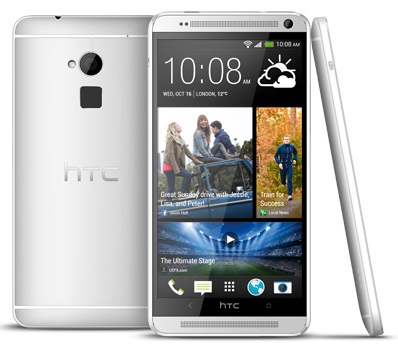 The HTC One has gotten a bigger brother — the 5.9-inch HTC One max. Just like the recently launched Apple iPhone 5S, the new smartphone has a fingerprint scan feature. Located on the back of the device, the fingerprint scanner allows users to lock or unlock the screen and quickly launch up to three favourite applications by assigning an individual finger to each.
 Google Glass and Samsung Gear are two of the most talked about developments in wearable devices. And many more are set to follow in their footsteps.
 After the first Samsung Galaxy Note 3 reached the hands of eager fans, one glaringky unwanted feature was spotted — the smartphone has region locked its SIM card.


 One billion smartphones are expected to be shipped this year, helping the global mobile phone market to rebound from just 1.2 percent growth in 2012 to 7.3, percent in 2013, according to IDC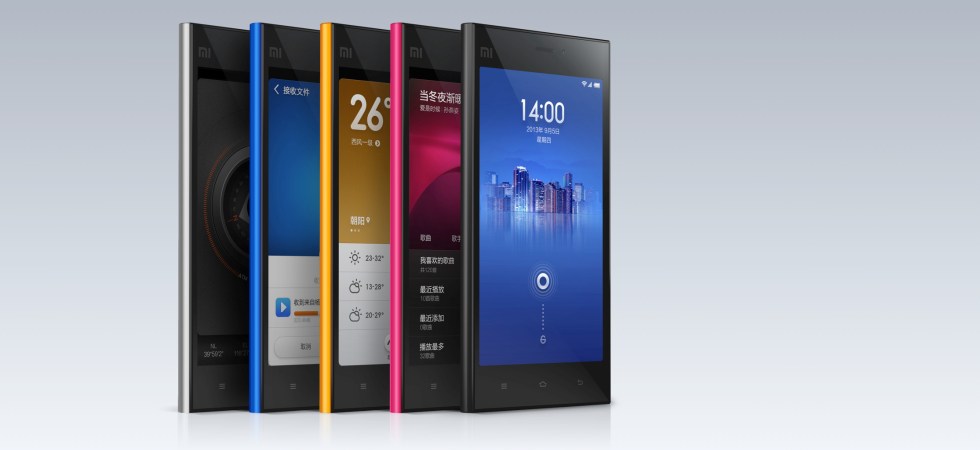
 Android’s smartphone mobile app revenues are projected to reach almost US$6.8 billion by the end of 2013, nearly doubling its revenues from the previous year, according to ABI Research.


 Entelechy Asia