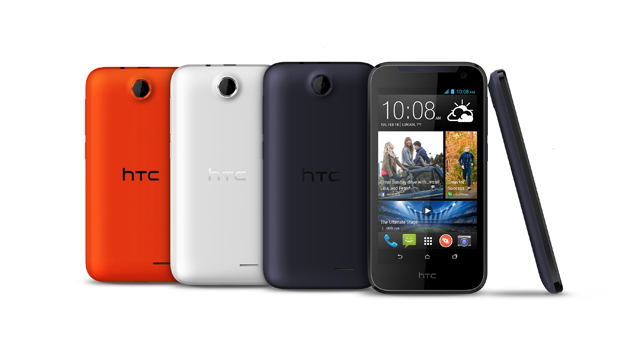
 Saw a product you like in a brick-and-mortar shop? Why not whip out your smartphone to read a review of the product or compare prices with other stores? That’s what more and more shoppers are doing during their visit to physical stores.
According to a GfK survey of mobile phone users in 23 countries, 40 percent of shoppers compare prices online while another 40 percent contact a friend or family member for advice. Thirty-six percent take photos of products that interest them.
Globally, men outweigh women on using their mobile phone inside a store to compare prices on a regular basis, standing at 42 percent and 37 percent respectively. The most active age group is shoppers aged 20-29, with nearly half (49 percent) saying they regularly do this, followed by those aged 15-19 and 30-39, both at 45 percent.
 The stats are in – tablet shipment dropped 12 percent to 67 million units in Q4, according to Canalys. The desktop market fell back into a decline in Q4 as Windows XP upgrades waned. The notebook market held firm with another quarter of just one percent growth.
 Global demand for tablets will continue to be slow in 2015, according to Gartner. Worldwide tablet sales will reach 233 million units, an eight percent increase from 2014.
 Samsung has unveiled Galaxy Tab Active, a ruggerised tablet that’s designed just for business use.
 My first experience with a fitness band began exactly a week ago when I bought the Garmin Vivosmart at Sitex.
 Wearable bands are all the rage with many new models announced and expected to be available in the coming months.
 Wearable electronic devices for fitness shipments are forecast to reach 68.1 million units in 2015, down from 70 million units in 2014, according to Gartner. This temporary dip in sales will be driven by an overlap in functionality between smart wristbands, other wearable fitness monitors and smartwatches.
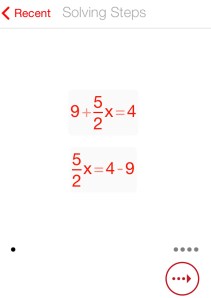 Algebra can be a bane to students and while some turn to their teachers for help, others request for assistance from parents, siblings and tutors. With PhotoMath, they now have another source of help. Best of all, it’s free!
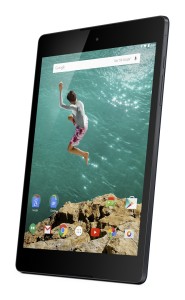 When Google announced the Nexus 9 last Wednesday, one of the more pertinent developments is that the new tablet sports the NVIDIA Tegra K1, which brings 64-bit capabilities to Android for the first time.
 Smartwatches are set to be more than health trackers with countries around the world exploring different potential.
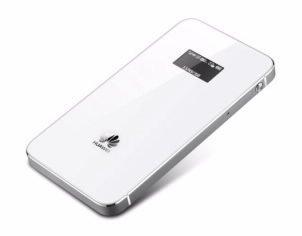 Huawei has unveiled the Huawei Mobile WiFi Prime E5878, claimed to be the world’s thinnest at 7.5mm, the equivalent of five credit cards stacked on top of each other.
 Smartwatches are attracting lots of attention but the prices are keeping many at bay, at least for now. Come next year, the prices are expected to average US$30, as smartphone vendors and component suppliers look to tap this market. In fact, Xiaomi has already introduced the
 Many technologies have come and gone — replaced by new innovations. But, in the midst of the technological changes, one unsung technology remains and is expected to be in even greater demand in the years ahead.
 Wearable technologies are not only the rage among consumers and health fanatics but are also set to shape the way governments work and interact with the public.

 Hong Kong retailers believe that video surveillance has a direct impact on internal and external losses, according to a survey by Centre for Retail Research commissioned by Axis Communications

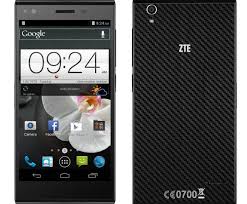
 Samsung has retained its pole position in ABI Research’s tablet vendor Competitive Assessment. In the analysis of 23 leading tablet vendors, ABI Research ranked companies on several criteria for product implementation and vendor innovation. The Korean giant prevailed in the innovation category and finished second in the implementation strategy.
 Just as consumers are enthusing about 1Gbps fibre broadband, Huawei has upped the ante in wi-fi speed with the successful testing of 10Gbps wi-fi in laboratory trials at its Shenzhen campus.

 NVIDIA has released new drivers built on DirectX11 to offer enhanced performance, a version of GeForce Experience packed with new features, and an over-the-air (OTA) software upgrade for SHIELD.