
 Pokemon Go is taking the world by storm with its use of augmented reality (AR). The craze has received widespread publicity across the world as hordes of people go around in search of Pokemon using their mobile devices.
AR is also set to leave footprint in the enterprise market. ABI Research forecasts that AR in enterprise will explode over the next five years, as the technology will add functionality to existing workforces that was not previously possible, with remote assistance to be the primary use case.
Combined with increased safety and efficiency, this will drive investors and project managers to explore AR with smart glasses applications in the healthcare, industry, and government market segments forecast to hit 27 million shipments by 2021.

 Worldwide shipment of wearable devices are expected to reach 101.9 million units by the end of 2016, representing 29.0 percent growth over 2015, according to IDC.
 Computex will introduce InnoVEX, a platform to showcase infocomm technology (ICT) and Internet of Things (IoT) innovators. Around 170 startups from 17 countries have already signed up to showcase their latest innovative products and services.


 By
By 
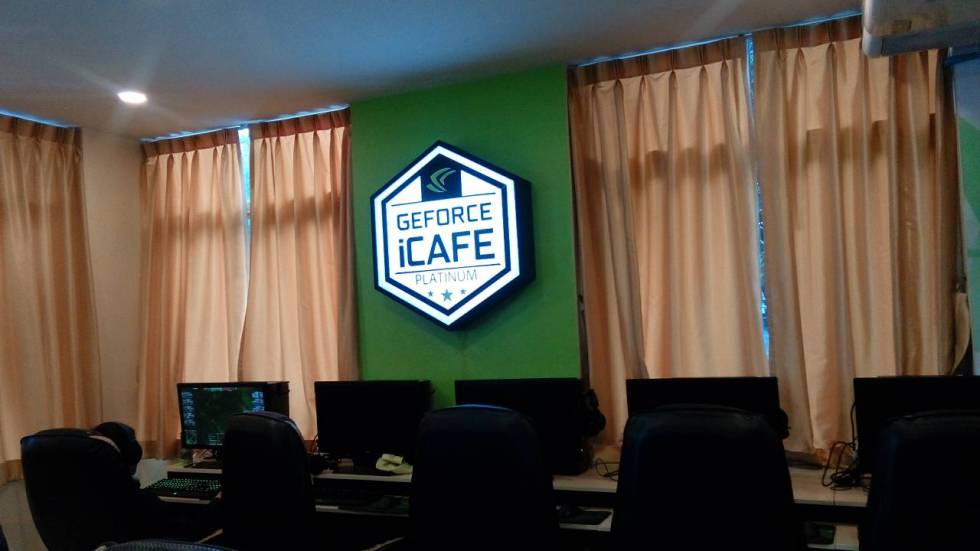

 NVIDIA is paving the way to virtual reality (VR) gaming experiences with the launch of its new VR-ready programme at CES.
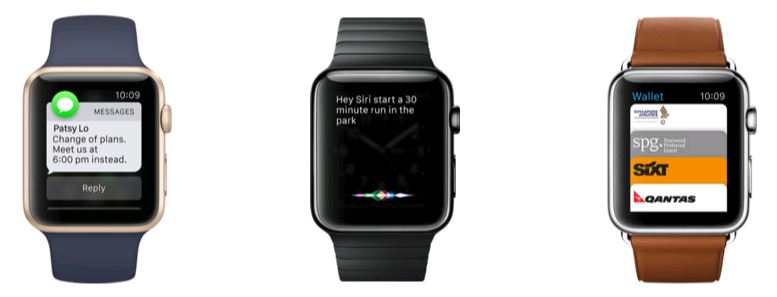
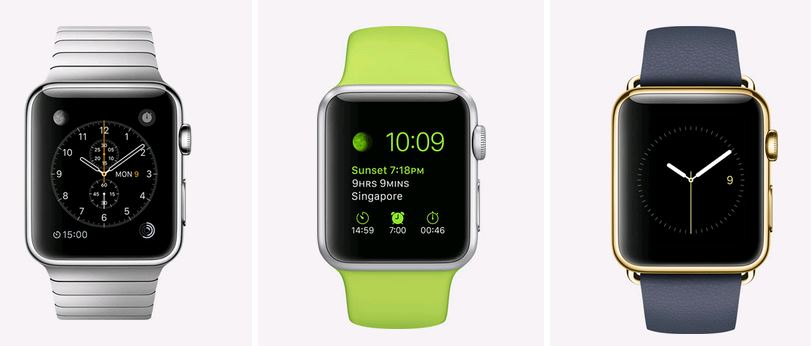
 Apple’s magic formula for success has continued with the Apple Watch. The highly-sought after smart watch dominated the market with nearly seven million units sold since launch, according to Canalys.
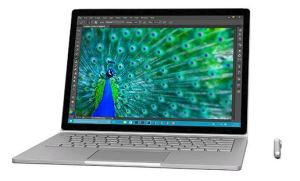 Notebook, tablet, 13.5-inch display, 12 hours of battery life, and a NVIDIA GeForce GPU to boot — that’s what the new Microsoft Surface Book is made of. And it certainly got the world excited as news poured out from the press briefing in New York last night.
 More Chinese smartphone vendors are investing in equipping their devices with fingerprint sensors with such phones expected to hit one billion shipment by 2020, marking a 17 percent CAGR, according to ABI Research.

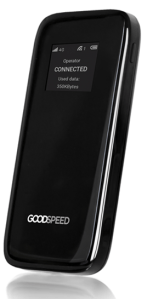 ZTE and Uros have introduced the Goodspeed 4G mobile hotspot MF900 — which is manufactured under a technology licence from Uros — providing travellers with affordable international data roaming.
 Apple held on to its top spot despite a 16 percent drop in PC shipment in Q1. It shipped 17.2 million units, taking a 15 percent market share while Lenovo and HP came in second and third place respectively. Samsung was next with 9.5 million units shipped with Dell just behind with 9.4 million units.
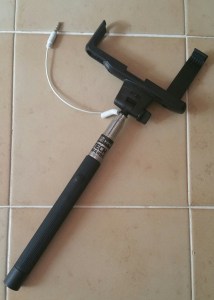 In a world of technological breakthroughs, the selfie stick is a really simple invention. Somebody had the bright idea to stick a holder at the end of a rod and voila, the selfie stick was born.
 Shipment of devices (PCs, tablets, ultramobiles, and mobile phones) in Asia Pacific are expected to hit 1.2 billion units in 2015, an increase of 3.2 percent over 2014, according to Gartner.
 This week’s introduction of the Samsung Galaxy S6 Edge brought back memories of when the first Samsung Galaxy Note came out in 2011. While many were pooh-poohing the smartphone for being too large and bulky, I was really excited and among the first owners.

 Global demand for tablets will continue to be slow in 2015, according to Gartner. Worldwide tablet sales will reach 233 million units, an eight percent increase from 2014.
 Samsung has unveiled Galaxy Tab Active, a ruggerised tablet that’s designed just for business use.
 Entelechy Asia