
By Edward Lim
As enterprises double down on AI and personalisation in 2025, a new tussle is taking place between marketing and technology leaders.
Who truly owns the customer journey? A key finding of Adobe’s AI and Digital Trends Report 2025 covering 508 executives across Asia (Hong Kong, South Korea and Southeast Asia) reveals this deep divide with each side staking a claim. The resulting friction threatens to undermine the seamless experiences customers now expect.
The difference is stark. While 73 percent of marketing leaders said either their organisation of customer experience (CX) team owned the customer journey, five percent believed that IT/technology is the owner.
On the other hand, 58 percent of technology leaders staked their ownership of the customer journey but three percent pointed out that it belonged to marketing.
Disparity in ownership of the customer journey gets in the way of delivering consistent experiences. Lack of alignment can result in fragmented strategies, disjointed customer experiences and wasted resources, even as both sides agree that personalisation and real-time engagement are critical for growth.
The stakes have never been higher as four in five respondent are planning to increase technology investment and 79 percent are boosting spend on customer data and analytics. The need for unified leadership and collaboration is urgent.
Yet, as generative and agentic AI become central to customer engagement, the gap between marketing and tech priorities appears to be widening rather than closing.
Overcoming the Divide
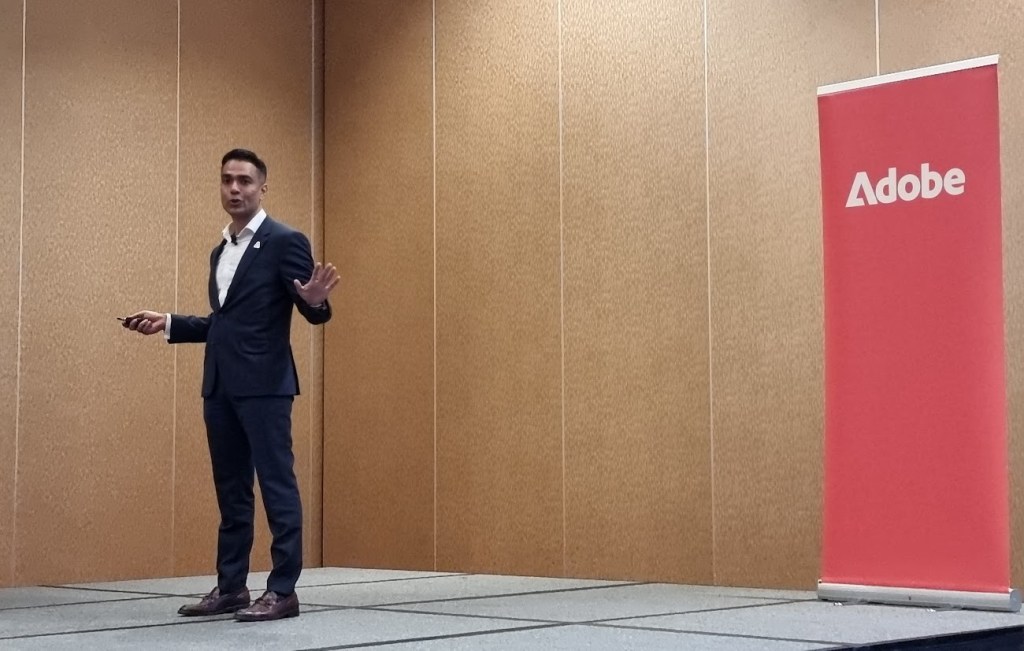
According to Shashank Sharma (top), Senior Director of Digital Experience in Southeast Asia and Korea at Adobe, businesses need to appoint a champion to unite strategies and align efforts.
To achieve success, it may also be necessary to secure the engagement and support of C-level executives. Executive sponsors are crucial for bridging gaps between marketing, technology and CX teams.
By promoting alignment and collaboration toward common objectives, these leaders enable teams to experiment and innovate. With proper guidance, AI initiatives can advance from limited pilots to scalable solutions that deliver measurable return on investment.
Organisations also need to unify data for seamless teamwork and to deliver exceptional customer experiences. Adobe advocates for breaking down data silos and building unified, interoperable platforms. By centralising customer data and making it accessible across teams, organisations can empower both marketers and technologists to deliver consistent, personalised experiences at scale. Adopting a unified approach is about fostering teamwork and creativity, and ensuring that data is treated as a strategic asset.
While the divide between marketing and technology leaders remains a challenge, bridging it is possible and essential. By appointing executive champions and unifying data, organisations can align strategies and break down silos to deliver seamless, personalised customer journeys.
 Entelechy Asia