Category: Gadgets

Emerging markets to give tech devices US$10b boost

gfk_logoIndia, China, Pakistan, and Vietnam are among the top five emerging markets that will drive tech devices sale in 2015, according to GfK.

The resarch firm has forecasted that the global technology device market will remain at US$1 trillion next year, just as it has been since 2011.

Top 10 tech device growth markets in 2015​ ​ ​ ​
2014 (U$b)​ ​2015 (U$b) ​Percentage YoY ​Growth (U$b)
​India 30.0​ 34.8​ 16%​ 4.8​
China​ 199.0​ 200.8​ 1%​ 1.8​
Nigeria​ 5.1​ 5.7​ 13%​ 0.7​
Pakistan​ 4.2​ 4.8​ 15%​ 0.6​
Vietnam​ 5.5​ 6.1​ 11%​ 0.6​
Bangladesh​ 3.3​ 3.8​ 13%​ 0.4​
Brazil​ 39.0​ 39.3​ 1%​ 0.4​
Egypt​ 4.6​ 5.0​ 8%​ 0.3​
Indonesia​ 12.4​ 12.7​ 3%​ 0.3​
​Philippines 3.8​ 4.1​ 6%​ 0.2​
TOTAL​ 306.9​ 317.1​ 3%​ 10.1

Source: GfK

Samsung avails Curved Soundbar in Singapore

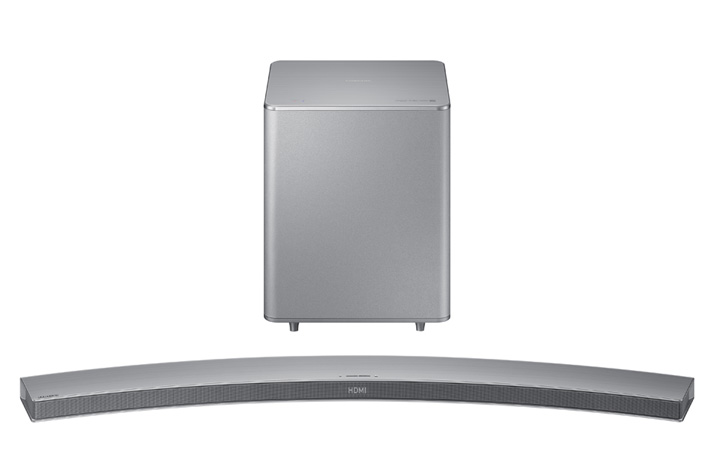
Samsung Curved SoundbarIf you own a Samsung Curved TV, match it with the Samsung Curved Soundbar HW-H7501 which is now available in Singapore for S$999.

Designed to work in conjunction with Samsung’s Curved UHD TVs. the Samsung Curved Soundbar is crafted with a finely brushed aluminium finish that  matches and complements the Samsung Curved UHD TVs.

It can be easily wall-mounted and installed under the TV without the need to drill separate holes into the wall. With a width of 42mm and same curvature radius of 4,200mm as the Samsung Curved UHD TVs, the soundbar delivers a greater sense of curve by surrounding the viewer and providing a powerful listening experience.

Watch for it — US$30 smartwatches next year!

mi-bandSmartwatches are attracting lots of attention but the prices are keeping many at bay, at least for now. Come next year, the prices are expected to average US$30, as smartphone vendors and component suppliers look to tap this market. In fact, Xiaomi has already introduced the Mi Band at just US$13.

Gartner predicts that by 2016, smartwatches will comprise about 40 percent of consumer wristworn devices. Nine out of the top 10 smartphone vendors have entered the wearables market to date or are about to ship a first product, while a year ago only two vendors were in that space.

“Apple has finally unveiled its Apple Watch, which we expect to trigger more consumer interest once it starts shipping in 2015,” said Angela McIntyre, Research Director of Gartner.

75% of mobile apps will fail security test

Gartner

Enterprise employees are downloading mobile applications from app stores and use these applications to access enterprise assets or perform business functions. What’s scary is that many of these applications have little or no security assurances.

According to Gartner, more than 75 percent of mobile applications will fail basic security tests in 2015. These applications are exposed to attacks and violations of enterprise security policies.

“Enterprises that embrace mobile computing and bring your own device (BYOD) strategies are vulnerable to security breaches unless they adopt methods and technologies for mobile application security testing and risk assurance. Most enterprises are inexperienced in mobile application security. Even when application security testing is undertaken, it is often done casually by developers who are mostly concerned with the functionality of applications, not their security,” said Dionisio Zumerle, Principal Research Analyst of Gartner.

Apple Watch to spur worldwide wearable growth of 129% next year

Watch lineupJust a day after Tim Cook announced the much-awaited Apple Watch to a thrilled gathering of journalists, Canalys is predicting that the device will be the biggest driver behind wearable band shipment in 2015.

The global wearable market is expected to grow 129 percent year on year to reach 43.2 million units in 2015, of which 28.2 million will be smart bands and 15.0 million will be basic bands, according Canalys.

Canalys defines smart bands as those capable of running third-party applications, and basic bands, as those which are not.

Lithium-ion battery revenue to quadruple by 2020

frost and sullivanMany technologies have come and gone — replaced by new innovations. But, in the midst of the technological changes, one unsung technology remains and is expected to be in even greater demand in the years ahead.

We’re talking about the lithium-ion battery which powers most of today’s devices. In fact, it is innovation that makes the battery highly popular — beyond gadgets and computer wizardry to other industries

According to Frost & Sullivan, the global lithium-ion battery market is expected to quadruple from 2013 to 2020. Developing applications in the grid and renewable energy storage segment are helping boost demand for lithium-ion batteries.

Wearables to boost smart mobile government projects in APAC

IDCWearable technologies are not only the rage among consumers and health fanatics but are also set to shape the way governments work and interact with the public.

According to IDC Government Insights, wearables will boost Smart Mobile Government (Smart mGovt) projects and consequently, pave the way for public sector Internet of Things (IoT) ecosystems.

Its “Designing Tomorrow’s Smart mGovernment Landscapes Enabled by the Growth of Wearables and the Internet of Things” report has identified the IoT, context, instantaneous reach, privacy, security, technology readiness, and wearables as the seven key ingredients for Smart mGovt adoption.

Fitness band market jumps 684% in H1

mibandA wrist accessory with a silicon strap has become the latest fashion statement and a must-have for the sporty. We’re talking about the fitness band, which helps to keep track of distance covered, calories burnt and sleep among other things.

According to Canalys, the global wearable band market grew an astonishing 684 percent in the first half of this year compared with the same period of 2013.

“Fitbit and Jawbone have very successfully grown and strengthened their relationships with channel partners internationally to grow global shipment volumes. They took first and second place respectively in the basic wearable band market in the first half 2014,’ said Chris Jones, Vice President and Principal Analyst of Canalys.

Intel, NVIDIA and Qualcomm charge into automotive head-unit processor market

Tesla

Intel, NVIDIA and Qualcomm are leaders in their respective markets but all of them have set their eyes on and foot into the automotive market. Building on their leading edge technologies, these consumer chipmakers have developed solutions that are competing against established automotive chipset suppliers such as Freescale, Renesas, TI, and STMicroelectronics.

The reason is clear as the automotive head-unit processor market is expected to grow from US$680 million in 2013 to US$1.95 billion in 2020, according to ABI Research.

“Automotive head-units are transitioning from proprietary architectures requiring long development cycles and Tier1-led integration efforts towards platform designs. Ford set the tone back in 2007 with its SYNC solution based on CPU hardware from Freescale and the Windows Embedded OS allowing quicker development time frames and independence from the previously dominant Tier 1 suppliers,”said Dominique Bonte, Vice President and Practice Director of ABI Research.

Tablet growth stagnates, notebook decline eases

CanalysWorldwide PC shipment hit 123.9 million units in Q2, representing year-on-year growth of 14 percent, according to Canalys. With no sequential growth, the positive effect that tablets have had on overall PC shipments is beginning to wear off.

Tablet shipment in Asia Pacific (including China) came in 8 percent below Q1 numbers, mainly due to a fall in shipment by Apple and Samsung.

Apple continued to lead the market with a 14 percent market share, though a 10 percent increase in Mac shipments could not make up for a decline in iPad sales, resulting in the company’s overall shipments declining by 5 percent.

HK retailers increasingly aware of video surveillance benefits

Axis CommunicationsHong Kong retailers believe that video surveillance has a direct impact on internal and external losses, according to a survey by Centre for Retail Research commissioned by Axis Communications

While about 96 percent of HK retailers agreed that CCTV has had a direct reduction on the level of internal and external losses they had incurred, only 58 percent are using surveillance solution to prevent theft.

Four in five respondents think they had reduced loss by a rate of 11 percent or more. Retailers also believe the use of CCTV in the premises can help increased safety and security for customers (77.8 percent) and staff (66.7 percent), similarly providing better evidence material (74.1 percent).

Curvaceous HTC One E8 designed for selfies

HTC One E8With a 5MP front-facing wide-angle camera and auto self-timer, the newly-introduced HTC One E8 is designed for selfies. On the other side is a 13MP rear-facing camera.

The stylish HTC One (E8) with its elegant dual curve design also comes with new materials, Motion Launch and HTC BoomSound. A five-inch device features a full HD, borderless display for a cleaner viewing experience.

“The HTC One (M8) had set a new smartphone standard and now we’re taking it in another exciting direction. Combining style and substance, the HTC One (E8) represents the incredible experience people expect from a HTC One device, with a look and feel that’s unlike anything else out there today. If you’re looking for the best flagship smartphone experience and want to stand out from the crowd, this is the phone for you,” said  Jack Yang, President of HTC South Asia.

NVIDIA adds another SHIELD — an 8-inch tablet for gamers!

SHIELD_family_Titanfall

The new incarnation of the NVIDIA SHIELD has arrived but it comes in a different form factor, albeit an exciting one for gamers.

The SHIELD tablet and the SHIELD wireless controller combine to take mobile gaming to another level. Together, they sport and leverage a variety of NVIDIA technologies, such as SHIELD, NVIDIA Tegra K1,  DirectStylus 2, ShadowPlay, GameStream, and GRID cloud gaming.

Let’s talk about the SHIELD tablet first. Designed and built by NVIDIA, it is a high-performance tablet powered by the NVIDIA Tegra K1 advanced mobile processor and supplemented by regular, over-the-air software upgrades that bring new capabilities and levels of performance.

ZTE mobile phones get Google Now Launcher

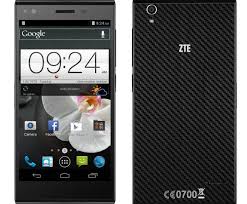
ZTE Blade Vec 4GZTE has pre-loaded Google Now Launcher on its smartphones to offer improved user experience and better value to users. It plans to pre-load Google Now Launcher on all Android 4.4 and above smartphones that have Google Mobile Services and Google Play enabled. 

ZTE has worked closely with Google to pre-load Google Now Launcher onto several ZTE devices, including the Blade Vec 4G smartphone, which runs on Android 4.4 and sports the Snapdragon 400 processor with integrated multi-mode 3G/4G LTE designed to deliver a better user experience.

The ZTE Blade Vec 4G and one other ZTE premium device will be officially presented at a ZTE press conference to be held in Hong Kong on July 24.

PC market on slow road to recovery

GartnerWorldwide combined shipment of devices (PCs, tablets, ultramobiles and mobile phones) are expected to reach 2.4 billion units in 2014, a 4.2 percent increase from 2013, according to Gartner.

After declining 9.5 percent in 2013, the global PC market (desktop, notebook and premium ultramobile) is on pace to contract only 2.9 percent in 2014.

“2014 will be marked by a relative revival of the global PC market. This year, we anticipate nearly 60 million professional PC replacements in mature markets,” said Ranjit Atwal, Research Director of Gartner.

Samsung keeps lead in tablet space

abi researchSamsung has retained its pole position in ABI Research’s tablet vendor Competitive Assessment. In the analysis of 23 leading tablet vendors, ABI Research ranked companies on several criteria for product implementation and vendor innovation. The Korean giant prevailed in the innovation category and finished second in the implementation strategy.

Close behind Samsung in second place is Apple. Clearly dominating in shipment volume, Apple has been a strong contender in the tablet ecosystem. Apple places number one in implementation strategy but comes in close second for innovation. The two leading tablet makers have managed to stay ahead of other tablet OEM vendors.

In third place is Lenovo, which has done a great job of expanding its tablet portfolio by marketing to a large audience range and providing unique user interfaces.

Simply amazing! 4K and G-SYNC make gaming a dream come true

NVIDIA Gamer's Day crowdIt’s Dragon Boat Festival, a public holiday in Taiwan but instead of choosing to run off for the holidays, hundreds of young gamers made a beeline to ATT where NVIDIA held the NVIDIA Gamer’s Day as a run up to Computex, which starts tomorrow.

From the moment the event kicked off at noon, there was no holding back the enthusiasm as the crowd checked out the latest and greatest in gaming technologies such as 4K monitors, G-SYNC, GameStream, ShadowPlay, SHIELD, GeForce GTX 700 series GPUs, and GeForce GTX 800M series-enabled notebooks. They took photos, touched, played with, and experienced the gaming devices first hand. Watch Dogs, AC4 Black Flag and Daylight were among the games on offer.

A team of five amateur gamers blew aside all the competition by winning six consecutive games to take home a whopping US$10,000.

Huawei successfully tests 10Gbps wi-fi

HuaweiJust as consumers are enthusing about 1Gbps fibre broadband, Huawei has upped the ante in wi-fi speed with the successful testing of 10Gbps wi-fi  in laboratory trials at its Shenzhen campus.

This is a significant milestone, as it is marks the dawn of a new era in big data applications using ultra-fast wi-fi technology to boost data rates to 10Gbps.

The 10Gbps prototype achieved a record transmission data rate of 10.53Gbps on 5GHz frequency bands. The success of this prototype development, and the tenfold increase in spectrum efficiency that made it possible, paves the way for the validation of technologies needed to support the creation of next generation wi-fi.

Samsung Galaxy K zoom LTE available for pre-order in Singapore

Samsung KzoomThe next incarnation of Samsung’s camera specialised smartphone is available for pre-orders in Singapore till May 31. Pre-odered Samsung Galaxy K zoom LTE will come with a redeemable accessory gift pack (worth S$148) consisting of an Autopop Protective Cover, a 3,100 mAh Battery Pack, and a 8GB microSD Card while stocks last.

The Samsung Galaxy K zoom LTE features effortless capturing ability, real optics, and a premium design, offering users the mobile solutions they need with the ability to create professional-quality visual content in a fun, easy–to-use device.

“As the only smartphone on the market that features a unique retracting lens with 10x optical zoom, and a slim design that appeals with an ergonomic grip and sleek modern look, the Galaxy K zoom LTE is ideal for the mobile user who wants the most powerful camera system in a smartphone,” said Irene Ng, Vice President, Marketing of Samsung Asia.

Xiaomi introduces NVIDIA Tegra K1-powered Mi Pad

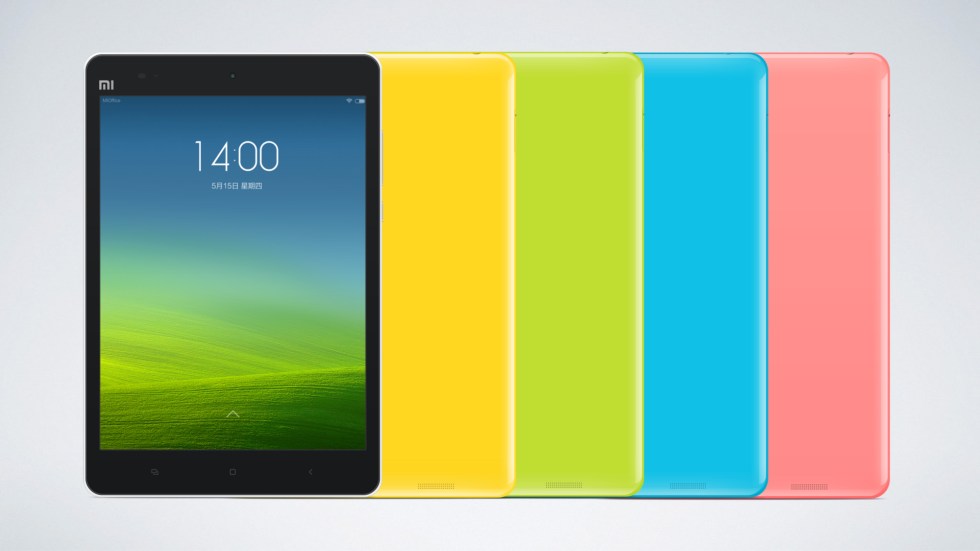
MiPad familyXiaomi introduced a slew of products in Beijing yesterday and one that really stood out was Mi Pad, it first tablet powered by the ultra-fast NVIDIA Tegra K1 mobile processor.

Sporting a 7.9-inch display with 2,048 x 1,536 resolution, this tablet comes with very long battery life — its 6700 mAh battery is good for up to 1300 hours of standby time or 11 hours of video streaming. It features 8MP rear and 5MP front cameras, 2GB of RAM, and 16GB or 64GB of built-in memory. If more storage is needed, there’s a microSD slot.

What’s amazing is under the hood. Powering the Mi Pad is the 192-core NVIDIA Tegra K1 mobile processor, which is based on the parallel processing GPU architecture found in the world’s most powerful supercomputers.

Technology keeps New Zealanders indoor

IDCBeautiful scenery, spectacular views and natural landscape make New Zealand a wonderful place to delight in outdoor activities. It’s no wonder then that New Zealanders are known to spend lots of time enjoying  outdoor activities.

However, technology seems to be changing the way New Zealanders live. According to IDC, New Zealand consumers are choosing to go out less often for shopping and leisure activities, as they prefer to do these activities in the comfort of their own home, thanks to advances in technology.

The new data reveals that 47 percent of respondents would prefer to do personal shopping online, rather than in a physical store.

PC shipment up 5% but tablet growth slows in Q1

Worldwide client PC shipment rose five percent year on year to hit 123.7 million units in Q1 , according to Canalys. Growth in tablet shipments slowed to 21 percent, yet at 50.8 million units they continue to outship notebooks. Tablets accounted for 41 percent of the market while notebooks had 38 percent.

Notebooks and desktops in China declined 13 percent and six percent respectively compared with the previous year.

In the tablet market, there was strong growth in the Middle East (100 percent) and Greater China (74 percent). The US market was adversely affected by a drop in Apple iPad shipment, which fell 40 percent. This was offset somewhat by 20 percent growth in China, Apple’s second largest market. Worldwide, iPad shipments in Q1 fell 16 percent year on year to 16.4 million and accounted for 80 percent of Apple’s total PC shipments. Despite this, Apple continued to lead the global PC market. Its share fell both sequentially and year on year from 20 to 17 percent, due chiefly to the increasingly competitive tablet market.

Global tablet shipment misses target

IDCWorldwide tablet plus 2-in-1 shipments slipped to 50.4 million units in Q1, according to preliminary data from IDC. The total represents a sequential decline of 35.7 percent from the high-volume holiday quarter and just 3.9 percent growth over the same period a year ago. The slowdown was felt across operating systems and screen sizes and likely points to an even more challenging year ahead for the category.

“The rise of large-screen phones and consumers who are holding on to their existing tablets for ever longer periods of time were both contributing factors to a weaker-than-anticipated quarter for tablets and 2-in-1s,” said Tom Mainelli, IDC Program Vice President, Devices and Displays. “In addition, commercial growth has not been robust enough to offset the slowing of consumer shipments.”

Apple maintained its lead in the worldwide tablet plus 2-in-1 market, shipping 16.4 million units. That’s down from 26.0 million units in the previous quarter and well below its total of 19.5 million units in Q1 of 2013. Despite the contraction, the company saw its share of the market slip only modestly to 32.5 percent, down from the previous quarter’s share of 33.2 percent.

Smartphone chipsets used in wearables compromise user experience

abi researchSmartphone components are being used in smartwatches in lieu of optimised smartwatch components, even when claimed otherwise, according to ABI Research.

Teardowns of a number of devices found that nobody has an optimal wearable peripheral solution yet. The Samsung Galaxy Gear and Z-watch use application processors originally targeted for smartphone/tablets and the uWatch goes a step further by using a full blown GPRS SOC, MediaTek MT6260, but only uses the integrated BT. Other watches such as the Sony series and Pebble use discrete solutions. The end result is less than optimal battery life and unnecessary cost/size that get passed on to the consumer.

“Our findings show the chipset suppliers are playing the ‘wait and see’ game before making investments into wearable peripherals. Of the solutions available the oversized application processors draw too much current and cost far too much. Discrete solutions tend to be physically large and also a little higher cost than necessary. The closest match is the SOCs with embedded BT whichcan be both power and size efficient withthe only drawback being slight cost impact. Once the market takes off expect to see a number of truly optimal solutions available,” said Jim Mielke, Vice President of Engineering at ABI Research.

Smart mobile devices boost audio accessories sales in HK

gfk_logoHigh ownership of smartphones, tablets and phablets in Hong Kong have been positively impacting sales of complementary products such as headphones and headsets, as well as mini-speakers, according to GfK.

The surge in audio accessories sales come at the back of consumers’ fixation with smart mobile devices, having spent more than US$4.2 billion on nearly 8.4 million units of such devices in the past 12 months.

The combined market of headphones, headsets and mini-speakers generated nearly US$77 million in the last one year, reflecting a 10 percent surge over a year ago. While sales revenue for headphones and headsets expanded by nine percent, mini-speakers sold 83 percent more in volume and raked in additional 32 percent in sales dollar.

NVIDIA releases new drivers, GeForce Experience and SHIELD software upgrade

NVIDIANVIDIA has released new drivers built on DirectX11 to offer enhanced performance, a version of GeForce Experience packed with new features, and an over-the-air (OTA) software upgrade for SHIELD.

The new 337.50 Beta driver delivers up to 71 percent faster gaming performance, including Call of Duty: Black Ops II (up 20 percent), Sleeping Dogs (31 percent), and Alien vs. PredatorTotal War: Rome 2, and Sniper Elite v2 (more than 40 percent).

Along with the new 337.50 Beta driver, GeForce Experience 2.0 now includes the ability to optimise more than 150 games. It brings two signature features to notebooks for the first time. Shadowplay, which allows gamers to capture their gaming exploits with little hit to frame rates, and share them on platforms such as live-streaming video service Twitch, and GameStream, which allows gamers to stream games and enjoy them on the go.

Gartner: Gamification driving digital business

GartnerGamification has become an essential part of any digital business strategy as a way of digitally motivating people and overcoming barriers of scale, time, distance, connectedness, and cost, according to Gartner. Digital business leaders are using gamification to add value to the product offer, to increase employee engagement and to drive crowdsourced innovation.

Gamification has tremendous potential, but right now most organizations aren’t getting it right. The road to gamification success is full of pitfalls, and many companies don’t understand how critical player motivation is to success.

In the newly-launched book Gamify — How Gamification Motivates People to Do Extraordinary Things, Brian Burke, Research Vice President of Gartner, explains how to design an experience that touches people on an emotional, rather than transactional, level and motivates them to achieve their goals.

ZTE9 releases NVIDIA Tegra 4-powered Funbox home entertainment console

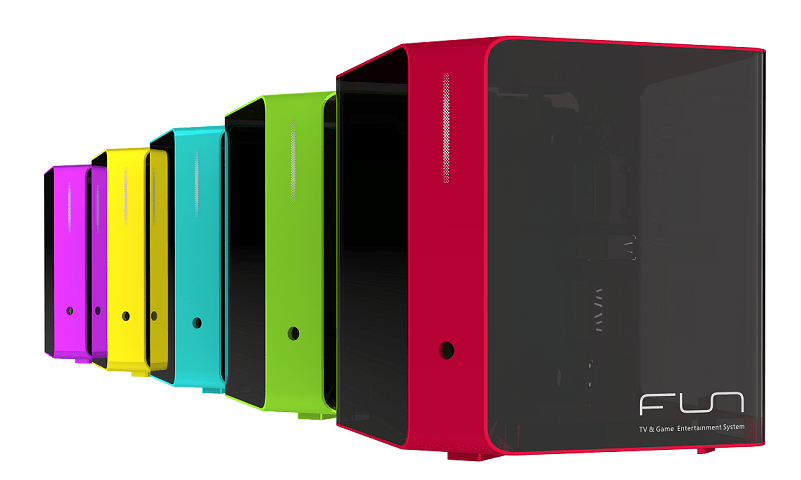
FunboxZTE9 has released FunBox, which is claimed to be the world’s fastest home entertainment console. The console is expected to give consumers and families a unique high-performance all-in-one gaming, video-chatting and online video experience.

FunBox is the fruit of the engineering capabilities of ZTE and the video game development expertise of The9. ZTE9 is a joint venture between ZTE, one of the world’s leading manufacturers of mobile devices, and The9, one of China’s foremost video game companies. Online sales for FunBox will start on JD.com next month, and consumers can choose between 12 different colors.

The console is powered by NVIDIA’s Tegra 4 processor, based on the new A15 architecture, and the superior graphics performance is delivered by a 72-core GeForce graphics processor with 2GB DDR3L memory and 8GB of Flash memory. 

Attached rate of factory installed car navigation units to rise to 38% in 2019

abi researchOnce a luxury item, embedded in-car navigation systems are now increasingly becoming less expensive and are offered in mass-market cars. At the same time, more and more car navigation units are becoming connected and multi-functional as they converge with other technologies in the car.

The attachment of embedded in-dash factory installed navigation units is expected to increase from 22 percent at the end of 2013 to 38 percent by 2019, according to ABI Reseach. This represents a compounded annual growth rate of 13.6 percent.

“However, this growth will be eclipsed by the number of smartphone-based navigation devices used in the car, particularly off-board devices, where navigation is performed in the cloud as opposed to on the device,” said Gareth Owen, Principal Analyst of ABI Research, which forecasts that shipment of handset-based navigation services will reach 1.68 billion globally by 2019.

More power and better performance with new NVIDIA GeForce 800M

The Razor Blade packs the GeForce GTX 870M.

NVIDIA has launched its GeForce 800M line-up of notebook GPUs that deliver up to 60 percent performance improvement over the previous generation.

The new mobile GPUs sport a multitude of new features designed just for gamers, first of which is NVIDIA Battery Boost, which delivers up to double the gaming battery life.

Instead of pushing every notebook component to its max, Battery Boost targets a user defined frame rate, such as 30 FPS. The driver level governor takes over and operates all system components, including CPU, GPU, and memory at peak efficiency, while maintaining a smooth, playable experience.

HTC unveils HTC Desire 310 in Taiwan

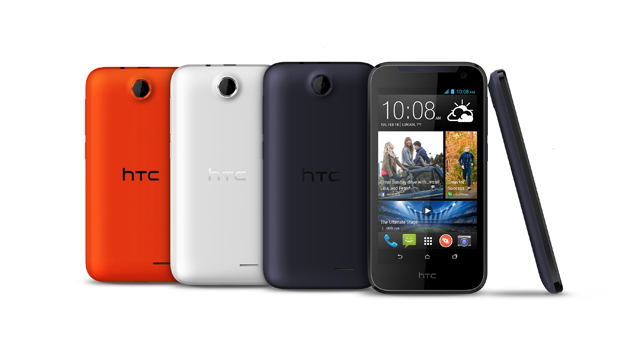
HTC Desire 310HTC has unveiled the HTC Desire 310, which packs a powerful quad-core processor and some of the features of the HTC One series but is more affordable.

Boasting a 1.3GHz quad-core processor, the smartphone can deliver fast, responsive web browsing, silky-smooth graphics when watching videos or playing games and the ability to switch between multiple apps.

“The latest addition to our renowned HTC Desire range combines super-fast processing and premium features at a lower price, offering users the best possible experience in this category,” said Peter Chou, CEO of HTC.

Global tablet growth to slow this year

IDCThe much sought after tablet — the darling of the technology industry in recent years — is expected to grow just 19.4 percent this year. That’s a massive slow down from last year’s growth of 51.6 percent. According to the IDC Worldwide Quarterly Tablet Tracker, the reduction is due to slowing consumer purchases as hardware iterations slow and the installed base — particularly in mature markets — continues to grow.

Over the course of the past two years, average selling prices (ASPs) have declined rapidly in the tablet market, but this too appears to be slowing. In 2012, ASPs declined 18.3 percent from the previous year, and in 2013, prices dropped another 14.6 percent.

Price erosion has started to slowly bottom out, with ASPs forecast to drop a modest 3.6 percent in 2014. IDC believes ASP declines will slow for several reasons; chief among them are the growth of higher-priced commercial shipments and a consumer movement away from ultra-low cost products.

ZTE launches 4K p60 Ultra HD set top box

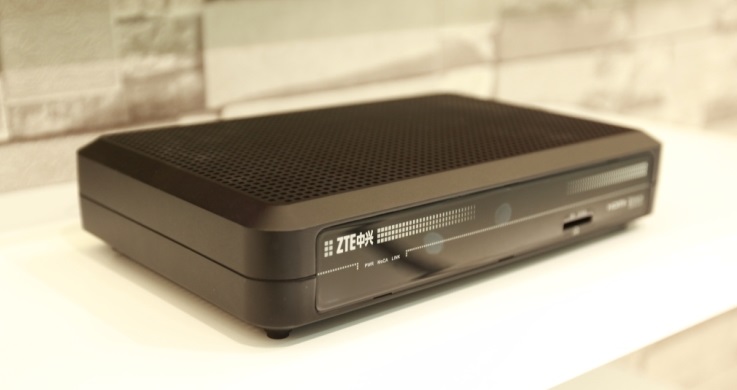
ZTE HD STBZTE has launched its 4K p60 Ultra HD set top box (STB), the ZXV10 B803, at Mobile World Congress 2014 in Barcelona.

Based on the Broadcom BCM 7252 chip, the device supports 4Kx2KP60 decoding capability, which can decode Ultra HD video with the maximum resolution of 3840×2160. In comparison to traditional HD Internet STBs, the 4K UHD STB can display more vivid and precise images to significantly enhance the user experience.

4K video technology (also named as 2160p) is a new type of resolution standard. Its UHDTV specification can deliver a resolution of 3840×2160 pixels, and the maximum Full Aperture 4K specification reaches 4096×3112. In comparison to the current mainstream 1080p resolution of 1920×1080, 4K can provide over four times the image definition quality. In the future, 4K HD TV sets will be very popular, and the 4K HD and HEVC decoding technologies will help raise the HD market tide.

HTC unveils mid-range Desire 816 smartphone

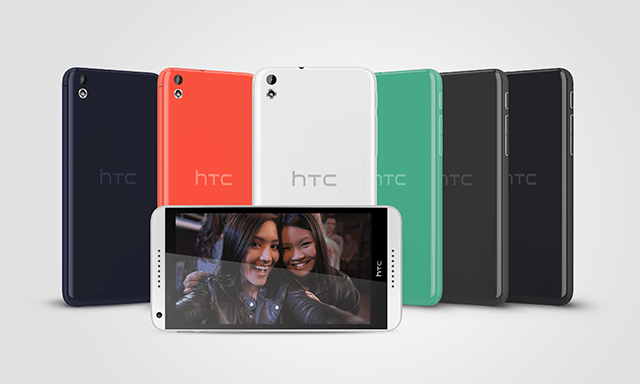
HTC Desire 816HTC has unveiled the first model in its 2014 mid-range portfolio — the HTC Desire 816, which packs an advanced feature set that makes it one of the better value smartphones.

The first edition of the new-look HTC Desire family comes fully loaded with HTC’s iconic dual-frontal speakers and HTC BoomSound, while HTC BlinkFeed keeps users up-to-date with the latest news and social updates on the 5.5-inch screen. A 13MP rear-facing camera complete with HTC Zoe and automatic highlight videos, as well as a 5MP front-facing camera, make it ideal for capturing both selfie and landscapes.

The new smartphone is powered by a quad-core, 1.6 GHz processor and offers 4G LTE connectivity.

Samsung rolls out slimmer Tab

Galaxy Tab 3 LiteFancy a slimmer Samsung Galaxy Tab? Samsung has rolled out the Galaxy Tab 3 Lite (7.0”) WiFi, which  sports a slim, lightweight design with a more compact bezel that makes it comfortable to carry around in one hand. The device’s large 3,600mAh battery maximises portability so that users can enjoy up to eight hours of video playback without the need for an adapter.

Its enhanced features and services gives users a variety of ways to capture, view, listen, create, and share content with others without compromising value.

The Galaxy Tab 3 Lite (7.0”) WiFi’s 7-inch display comes with optimal resolution designed to bring users a better viewing experience. The menu bar is situated on the device’s bezel, rather than on the screen, in order to maximise the wide screen experience.

Tablets account for half of PC shipment in Q4

CanalysTablet shipment grew 65.2 percent year-on-year to reach 76.3 million units in Q4, according to Canalys. This represents nearly half (48.3 percent) of the global PC market, which increased 17.9 percent during that period. Excluding tablets, shipment declined 6.9 percent year-on-year with falls in all regions. 

Apple remained the PC market leader in Q4, shipping 30.9 million units to take a 19.5 percent share of the market. It shipped 26.0 million iPads, which accounted for 84.3 percent of its total shipment in Q4. Apple’s share of the overall tablet market increased sequentially from 27.3 percent to 34.1 percent, with the launch of the iPad Air and iPad mini with Retina display providing a much needed boost. The original iPad mini also fell in price, down to US$299 in the US, making it cheaper than ever to buy an iPad. But competition is mounting and Android tablets are falling in price, which will put pressure on Apple’s market share in 2014.

Lenovo secured an 11.8 percent share in Q4, narrowly holding onto second place. Lenovo’s PC shipments increased 25.5 percent year-on-year, driven by growth outside of its core Chinese market, where its shipment declined. Lenovo’s 11.7 percent decline in notebook shipments in China was offset by impressive growth in other regions, notably EMEA, where shipments grew 30.4 percent. Shipments in Latin America also grew strongly, following the acquisition of CCE in the first quarter of 2012.Lenovo was early to embrace Android as a tablet OS, while the likes of HP and Dell waited for Windows 8 and prioritized margin over volume. Lenovo’s strategy has paid off, not only in its home market but worldwide.

Samsung is top global semiconductor buyer

GartnerSamsung Electronics is the world’s top semiconductor buyer, and together with second placed Apple, increased their combined semiconductor demand by 17 percent in 2013, according to Gartner.

The two companies consumed US$53.7 billion of semiconductors in 2013, an increase of $7.7 billion from 2012.

“Samsung Electronics and Apple have topped the semiconductor consumption table for three years running, with their share of the design total available market (TAM) rising from 12 per cent in 2011, to 17 per cent in 2013,” said Masatsune Yamaji, Principal Research Analyst of Gartner. “This increase clearly shows how fast the presence of these two companies has expanded over the last three years and why their decisions have technology and pricing implications for the whole semiconductor industry.”

Audi adds NVIDIA Tegra-based visual computing power to its cars

Audi dashboardThree new in-vehicle systems powered by the NVIDIA Tegra Visual Computing Module (VCM) will soon begin shipping in Audi’s vehicles.

These innovative solutions, disclosed at the German automaker’s press conference at the 2014 International Consumer Electronics Show, include:

  • a connected infotainment system with twice the performance of its predecessor;
  • the world’s first automotive-grade tablet that is fully integrated into the car’s infotainment system; and
  • a high-resolution digital cockpit with unprecedented, vivid 3D graphical displays.

Worldwide PC, tablet, ultramobile, and mobile phone shipment to grow 7.6% this year

GartnerGlobal shipment of devices (PCs, tablets, ultramobiles, and mobile phones) are projected to reach 2.5 billion units in 2014, a 7.6 percent increase from 2013, according to Gartner.

Among the operating system (OS) market, Android is on pace to surpass one billion users across all devices in 2014. By 2017, more than 75 percent of Android’s volumes will come from emerging markets.

“The device market continues to evolve, with buyers deciding which combination of devices is required to meet their wants and needs. Mobile phones are a must have and will continue to grow but at a slower pace, with opportunities moving away from the top-end premium devices to mid-end basic products,” said Ranjit Atwal, Research Director at Gartner. “Meanwhile users continue to move away from the traditional PC (notebooks and desk-based) as it becomes more of a shared content creation tool, while the greater flexibility of tablets, hybrids and lighter notebooks address users’ increasingly different demands.”

New alliance formed to bring Android to automobile

A coalition of auto and technology companies have formed a new industry alliance to bring the Android platform to a device that’s always been mobile: the car.

Audi, GM, Google, Honda, Hyundai, and NVIDIA have joined together to form the Open Automotive Alliance (OAA), a global alliance of technology and auto industry leaders committed to bringing the Android platform to cars starting in 2014. OAA is dedicated to a common platform that will drive innovation, and make technology in the car safer and more intuitive for everyone.

OAA is aimed at accelerating auto innovation with an approach that offers openness, customization and scale, key tenets that have already made Android a familiar part of millions of people’s lives. This open development model and common platform will allow automakers to more easily bring cutting-edge technology to their drivers, and create new opportunities for developers to deliver powerful experiences for drivers and passengers in a safe and scalable way.

NVIDIA unveils revolutionary Tegra K1 super chip for mobile platform

NVIDIA Tegra K1NVIDIA unveiled at CES the Tegra K1 mobile processor, a 192-core super chip featuring the same NVIDIA Kepler architecture that powers the NVIDIA GeForce GTX 780 Ti. For the first time, next-generation PC gaming will now be available on mobile platforms.

The Tegra K1 processor sets new mobile standards by supporting the latest PC-class gaming technologies, enabling it to run sophisticated gaming engines like Epic Games’ Unreal Engine 4. It delivers advanced computation capabilities to speed the development of applications for computer vision and speech recognition. And its extraordinary efficiency delivers higher performance than any other mobile GPU at the same power level.


“Over the past two decades, NVIDIA invented the GPU and has developed more graphics technologies than any other company,” said Jen-Hsun Huang, co-founder and CEO, NVIDIA. “With Tegra K1, we’re bringing that heritage to mobile. It bridges the gap for developers, who can now build next-gen games and apps that will run on any device.”

Gartner: 26b Internet of Things units by 2020

GartnerThe Internet of Things (IoT), which excludes PCs, tablets and smartphones, will grow to 26 billion units installed in 2020, representing an almost 30-fold increase from 0.9 billion in 2009, according to Gartner.

Gartner said that IoT product and service suppliers will generate incremental revenue exceeding US$300 billion, mostly in services, in 2020. It will result in US$1.9 trillion in global economic value-add through sales into diverse end markets.  The verticals that are leading its adoption are manufacturing (15 percent), healthcare (15 percent) and insurance (11 percent).

IoT is the network of physical objects that contain embedded technology to communicate and sense or interact with their internal states or the external environment.

nubia nabs 2.5m orders for Z5S and Z5s mini smartphones

Nubia Z5SZTE’s boutique smartphone brand nubia has received 2.5 million orders for the Z5S and Z5S mini on JD.com as consumers in China.

The response to Z5S, priced at RMB1,999, and Z5S mini, priced at RMB1,499, surpassed a sales record previously set by Xiaomi. The two new smartphones were designed using consumer feedback garnered by nubia and JD.com in a C2B (consumer to business) approach to deliver a customer-defined user experience. Z5S and Z5S mini take nubia’s strengths in smartphone photography to a new level, becoming the first phones in China to offer the optical image stabiliser feature.

The new NEOVISION 3.0 system on Z5S and Z5S mini bring the feature of independent white-balance to smartphone users in China for the first time, after nubia pioneered independent focus and independent light-metering. The advanced imaging technology offered on Z5S and Z5S mini have earned the new handsets the moniker of “Single-Lens Reflex (SLR) Smartphones.” In addition, nubia’s industry-leading photography technology is now available for beta downloads (nubia Camera) by users of other handset manufacturers.

Huawei turbocharges LTE speed and revenue

XL Axiata representatives demonstrating Turbo Button. Inset: The Turbo Button mobile app.

Huawei has demonstrated a Turbo Button solution for dramatically boosting delivered LTE speeds with a simple push of a button on a mobile app.

Turbo Button allows mobile subscribers to easily accelerate their data speeds on demand from 1 Mb/s up to 70 Mb/s over a set period of time with just one touch on a downloadable app. The service is especially useful for improving the experience of high-speed web surfing, online gaming, large file uploads and downloads, and HD video streaming among other bandwidth intensive services.

The demo was conducted by Indonesian mobile operator XL Axiata at the recent 2013 Asia-Pacific Economic Cooperation (APEC) forum in Indonesia and made exclusive use of Huawei’s Networker solution for LTE. XL

Tablets to account for half of PC market in 2014

 Source: Canalys

Tablets will almost out ship all other PC form factors combined, forming almost 50 percent of the total client PC market (desktops, notebooks, and tablets) in  2014, according to Canalys.

The worldwide client PC market grew 18 percent in Q3, despite desktop and notebook shipments continuing to decline. Tablet PC shipments accounted for 40 percent of PC shipments in Q3, less than half a million units behind global notebook shipments.

Tablet domination is set to continue, with Canalys forecasting 285 million units to ship in 2014, growing to 396 million units in 2017. Apple and Samsung are expected keep ahead of their competitors in the medium term, but there could be challenges for both vendors as competition in the tablet market continues to heat up.

Power limiting progress in mobile devices

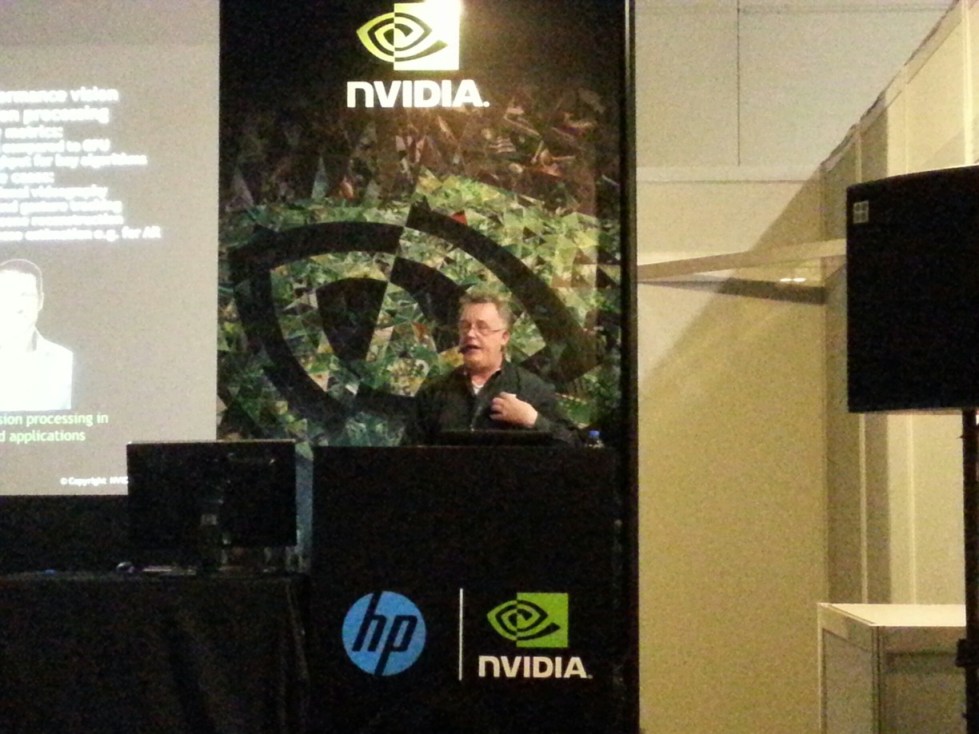
Neil TrevettPower is a big limitation in mobile devices despite improvements in battery power, according to Neil Trevett, Vice President Mobile Content of NVIDIA.

“Power is the new performance limiter. Developers need to use acceleration to preserve battery life and high performance,” he said at NVIDIA Tech Talk at SIGGRAPH Asia in Hong Kong.

On the other hand, advanced mobile GPUs and new sensors are combining to make vision processing the next wave of mobile visual processing. NVIDIA is building a stack of advanced silicon, APIs and libraries to enable advanced mobile vision applications.