 Ultra-portables are becoming increasingly popular, growing 100 percent from 2012 to 2013, according to ABI Research. This translates to 12.3 percent (22.5 million) of notebook PC shipment in 2013 (182.7 million).
“Across 24 countries tracked in November 2013, we found average ultra-portable PC selling prices ranging from US$940 to US$1,540 with the majority of models offered above US$1,200 in each country,” said Jeff Orr, Senior Practice Director of ABI Research. “The ASPs suggest ultra-portables including the convertible and detachable 2-in-1 configurations remained at the high-end of the notebook PC category exiting 2013.”
Beyond Apple’s MacBook Air running MacOS, the bulk of ultra-portable PCs are powered by the Windows 8 operating system, which suffered fits and starts during 2013 due to usability issues and poor first impressions by early adopter audiences. A revision, Windows 8.1, was released in the second half of the year to address these concerns, though popular opinion suggests many considering a refresh to their existing systems are willing to wait for the hiccups to be worked out before making a financial commitment.
 Samsung Electronics is the world’s top semiconductor buyer, and together with second placed Apple, increased their combined semiconductor demand by 17 percent in 2013, according to Gartner.
 Huawei has taken a shot at the English Premier League by becoming the official smartphone partner of league leaders Arsenal.
 Mark Zuckerberg, Founder and CEO of Facebook is among the line-up of new speakers in the keynote programme at the upcoming 2014 GSMA Mobile World Congress (MWC).
 Companies worldwide are quickly realising that mobile has not only changed digital operations, but that it will fundamentally change entire businesses in decades to come, according to Forrester Research.
 NVIDIA unveiled at CES the Tegra K1 mobile processor, a 192-core super chip featuring the same NVIDIA Kepler architecture that powers the NVIDIA GeForce GTX 780 Ti. For the first time, next-generation PC gaming will now be available on mobile platforms.
 Southeast Asia consumers bought 41.5 million smartphones, spending US$10.8 billion in the first three quarters of this year, according to GfK Asia.
 India’s smartphone market grew an astounding 229 percent year-on-year in Q3. According to IDC’s APEJ Quarterly Mobile Phone Tracker, vendors shipped a total of 12.8 million smartphones in Q3 compared to 3.8 million units in the same period of 2012. Q3 also saw an increase of 28 percent over Q2.


 In four years’ time, your smartphone may be smarter than you. It will be able to predict your next move, next purchase or interpret actions based on what it knows, according to Gartner. This insight will be performed based on an individual’s data gathered using cognizant computing — the next step in personal cloud computing.
 The numbers are clear. Big is getting more popular. Large screen smart phones (five-inch and above) accounted for 22 percent of the quarter billion smartphones shipped in Q3. This is the highest number ever and translates to a staggering 56 million units.
 The adoption of mobile money is increasing with 208 live deployments for unbanked services in 83 countries, compared to 178 in 74 countries as of January, asccording to GSMA’s
 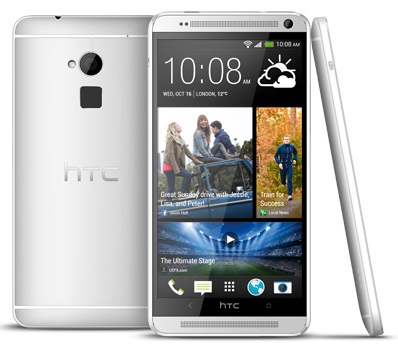 The HTC One has gotten a bigger brother — the 5.9-inch HTC One max. Just like the recently launched Apple iPhone 5S, the new smartphone has a fingerprint scan feature. Located on the back of the device, the fingerprint scanner allows users to lock or unlock the screen and quickly launch up to three favourite applications by assigning an individual finger to each.
 After the first Samsung Galaxy Note 3 reached the hands of eager fans, one glaringky unwanted feature was spotted — the smartphone has region locked its SIM card.
 Blackberry has agreed to be sold to Fairfax Financial Holdings for US$4.7 billion.
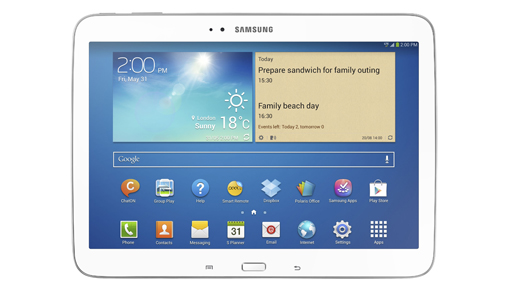

 One billion smartphones are expected to be shipped this year, helping the global mobile phone market to rebound from just 1.2 percent growth in 2012 to 7.3, percent in 2013, according to IDC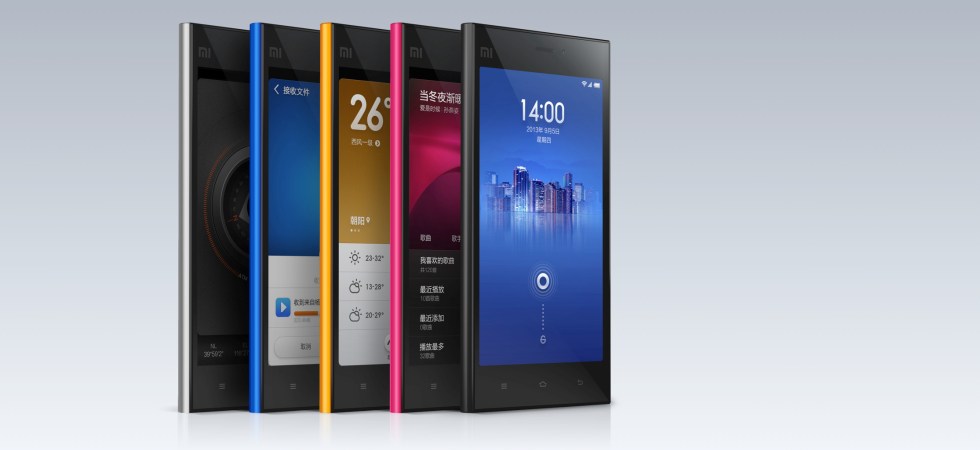
 Android’s smartphone mobile app revenues are projected to reach almost US$6.8 billion by the end of 2013, nearly doubling its revenues from the previous year, according to ABI Research.