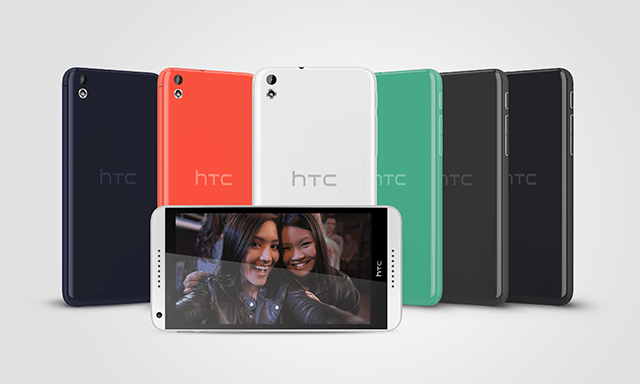
Tablet shipment grew 65.2 percent year-on-year to reach 76.3 million units in Q4, according to Canalys. This represents nearly half (48.3 percent) of the global PC market, which increased 17.9 percent during that period. Excluding tablets, shipment declined 6.9 percent year-on-year with falls in all regions.
Apple remained the PC market leader in Q4, shipping 30.9 million units to take a 19.5 percent share of the market. It shipped 26.0 million iPads, which accounted for 84.3 percent of its total shipment in Q4. Apple’s share of the overall tablet market increased sequentially from 27.3 percent to 34.1 percent, with the launch of the iPad Air and iPad mini with Retina display providing a much needed boost. The original iPad mini also fell in price, down to US$299 in the US, making it cheaper than ever to buy an iPad. But competition is mounting and Android tablets are falling in price, which will put pressure on Apple’s market share in 2014.
Lenovo secured an 11.8 percent share in Q4, narrowly holding onto second place. Lenovo’s PC shipments increased 25.5 percent year-on-year, driven by growth outside of its core Chinese market, where its shipment declined. Lenovo’s 11.7 percent decline in notebook shipments in China was offset by impressive growth in other regions, notably EMEA, where shipments grew 30.4 percent. Shipments in Latin America also grew strongly, following the acquisition of CCE in the first quarter of 2012.Lenovo was early to embrace Android as a tablet OS, while the likes of HP and Dell waited for Windows 8 and prioritized margin over volume. Lenovo’s strategy has paid off, not only in its home market but worldwide.

 Smartphones and tablets helped boost Android’s reign over all smart device operating systems (OS) in 2014.
 This week’s introduction of the Samsung Galaxy S6 Edge brought back memories of when the first Samsung Galaxy Note came out in 2011. While many were pooh-poohing the smartphone for being too large and bulky, I was really excited and among the first owners.
 Smartphone shipment in India observed its first drop in Q4, according to IDC. The decline was attributed to a high channel inventory at the beginning of the quarter among general trade which in turn was caused by the surge witnessed in online sales during festive season.

 Mobile data roaming will generate about US$50 billion in revenue by 2019, contributing as much as 56 percent to global roaming revenues, according to Ovum.
 Data and value-added services have driven mobile growth in Malaysia to reach 42.9 million subscribers and rake in revenues of US$7.45 billion in 2014.
 GSMA has introduced two special awards to commemorate the 20th anniversary of the Global Mobile Awards. The Young Mobile Innovator of the Year and Connected Women: Leadership in Industry awards will be presented at the Global Mobile Awards ceremony at GSMA Mobile World Congress in Barcelona on March 3, 2015.
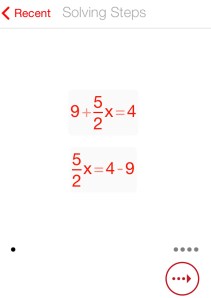 Algebra can be a bane to students and while some turn to their teachers for help, others request for assistance from parents, siblings and tutors. With PhotoMath, they now have another source of help. Best of all, it’s free!
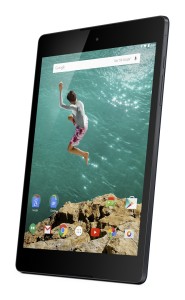 When Google announced the Nexus 9 last Wednesday, one of the more pertinent developments is that the new tablet sports the NVIDIA Tegra K1, which brings 64-bit capabilities to Android for the first time.
 Smartwatches are set to be more than health trackers with countries around the world exploring different potential.
 A slew of demand for semiconductors is helping the industry to hit a targeted 7.2 percent growth to hit US$338 billion this year.
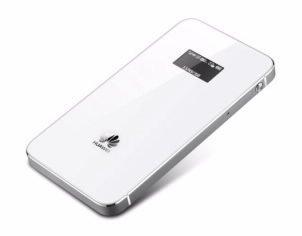 Huawei has unveiled the Huawei Mobile WiFi Prime E5878, claimed to be the world’s thinnest at 7.5mm, the equivalent of five credit cards stacked on top of each other.
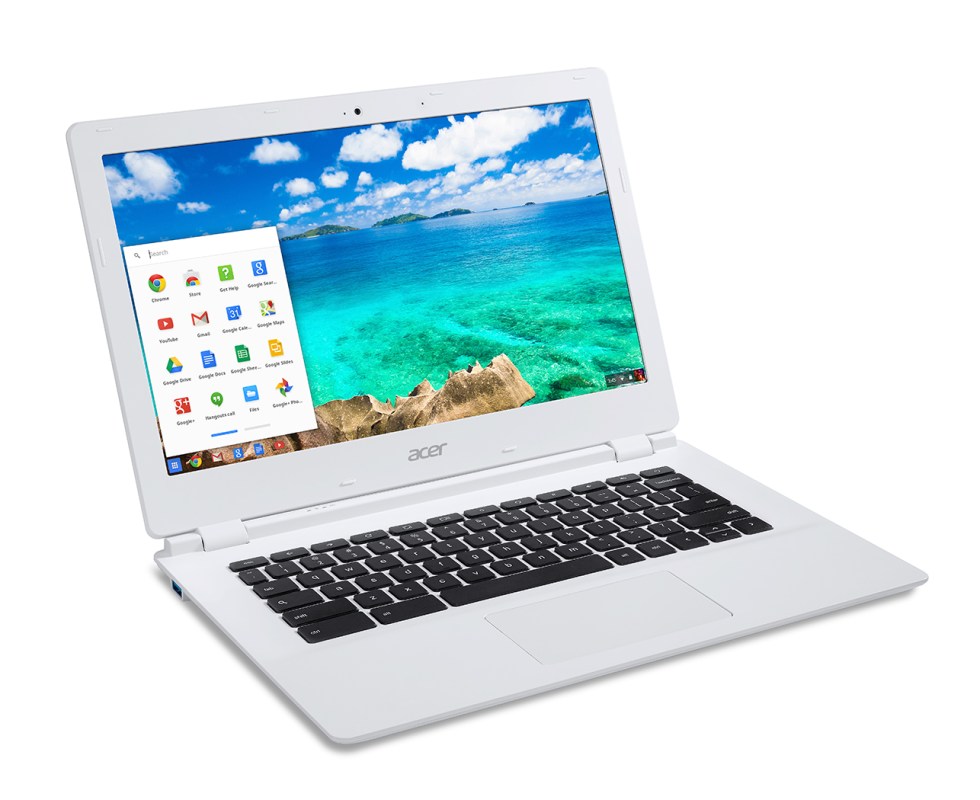
 Worldwide PC shipment hit 123.9 million units in Q2, representing year-on-year growth of 14 percent, according to Canalys. With no sequential growth, the positive effect that tablets have had on overall PC shipments is beginning to wear off.
 Messaging on Facebook will become a little more inconvenient as Messenger will become a separate app from Facebook app. This means that messaging will no longer be possible with the Facebook app.
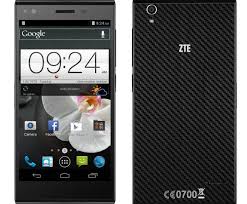


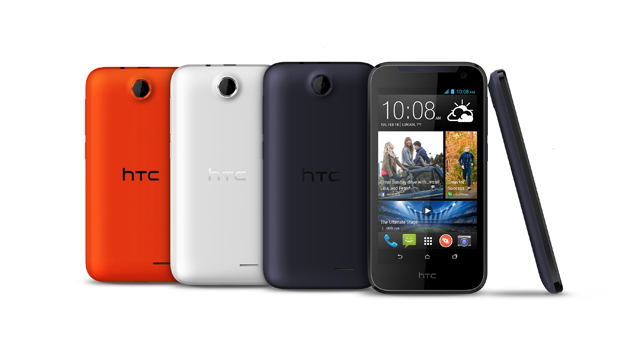
 More than 85,000 visitors from 201 countries attended Mobile World Congress (MWC), which ended yesterday. This is a record for the mobile industry event, which saw many new product launches and announcements.