
Global tablet shipments climbed 9.8 percent year on year to 162 million units in 2025, according to Omdia. Q4 shipments hit 44 million units, up 9.8 percent year on year, fuelled by holiday demand and […]
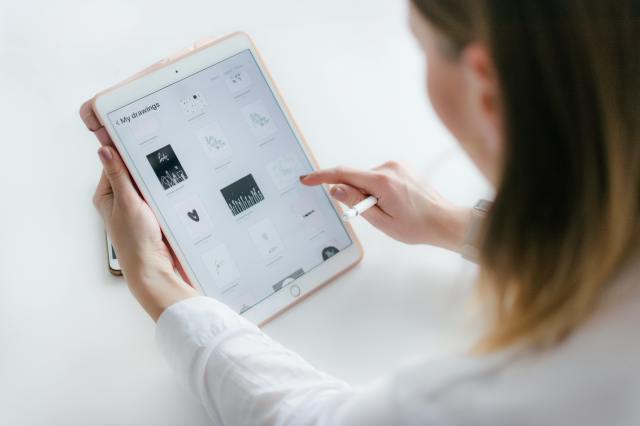
Global tablet shipments climbed 9.8 percent year on year to 162 million units in 2025, according to Omdia. Q4 shipments hit 44 million units, up 9.8 percent year on year, fuelled by holiday demand and […]

Huawei is venturing deeper into haute horology territory with the new Huawei Watch Ultimate Design Royal Gold Edition. The S$3,998 luxury smartwatch blends rare-earth purple ceramic, 18K gold and serious outdoor tech for affluent users. […]

Following its global debut at the Huawei Flagship Product Launch Event in Dubai on December 11, the Huawei Mate X7 will be available for pre-order in Singapore starting January 23. Priced at S$2,398, the foldable […]

Vivo has reclaimed the pole position in the China smartphone market in Q3 with 11.8 million units shipped, capturing an 18 percent share, according to Omdia. Huawei ranked second with 10.5 million units and 16 […]

It’s been a long time coming but the Huawei Mate XT Ultimate Design is now finally available in Singapore. The tri-fold smartphone was previously only available in Cambodia, China, Hong Kong, Indonesia, Malaysia, the Philippines, […]

Fudan University’s Zhongshan Hospital and Huawei have partnered on an intelligent healthcare showcase. At Huawei Connect 2025 in Shanghai, they unveiled the integration of cutting-edge AI and multimodal technologies to form the foundation of a […]

By Inez Lim We all know how important good health is, especially here in Singapore where nearly half of us are dealing with at least one chronic condition. It’s pretty sobering when you think about […]
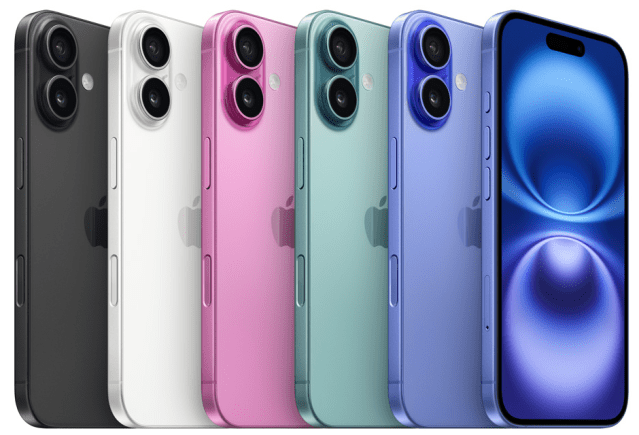
The launch of Apple’s iPhone 16 boosted the global smartphone market in Q3. According to IDC, Apple achieved a record-high shipment volume during that quarter, snaring 17.7 percent market share, just a hair’s breadth from […]

Wi-fi blindspots could become a thing of the past following the launch of Singtel’s FibreEverywhere home broadband solution in Singapore. Known as Fibre To The Room, the innovative technology features Huawei’s transparent fibre optic cables […]

Huawei and EV-Electric (EVe) Charging, a wholly owned subsidiary of Singapore Land Transport Authority, are collaborating to improve electric vehicle (EV) charging speed and experience. Under the memorandum of understanding signed between Huawei and EVe, […]

The post-pandemic effect continues as worldwide tablet and Chromebook shipments continued to slide year on year in Q3. According to IDC, the tablet market declined 14.2 percent while the Chromebook market dropped 20.8 percent in […]

Huawei will herald a new era in telecommunication with the launch of a complete set of commercial 5.5G network equipment in 2024. The China ICT giant’s concept of a 5.5G Era is based on an […]

Huawei plans to seize the accelerated digitalisation initiatives in Asia Pacific (APAC) to lead the digital transformation of 100 campuses. Together with its partners, Huawei is targeting commercial real estate, university campus, office campus, and […]

Global tablet shipment fell 18 percent year on year in Q1 to below pre-pandemic level in Q1 of 2020, according to Canalys. While shipments are set to hover around pre-pandemic levels in the short term, […]

Huawei is investing US$20 million to upgrade its research and development (R&D) operations in Singapore. The Huawei OpenLab 3.0 Asia-Pacific aims to adapt solutions to meet the specific needs of the region. As a space […]

After delays due to the pandemic, Huawei has finally opened its first Melbourne store at Glen Waverley. As the first store outside Sydney, this fourth Austalian store will stock 40 products, including the Watch GT […]

As the world adjusts to a new normal, so too has the tablet and Chromebook market. According to IDC, worldwide tablet shipments reached 38.4 million units in Q1, a drop of 3.9 percent over the […]

Huawei is marching on with its HarmonyOS 2 followed the launch of a range of smartphones, smart watches and tablets. New releases include the next-generation open-fit Active Noise Cancellation wireless Bluetooth Huawei FreeBuds 4, Huawei […]
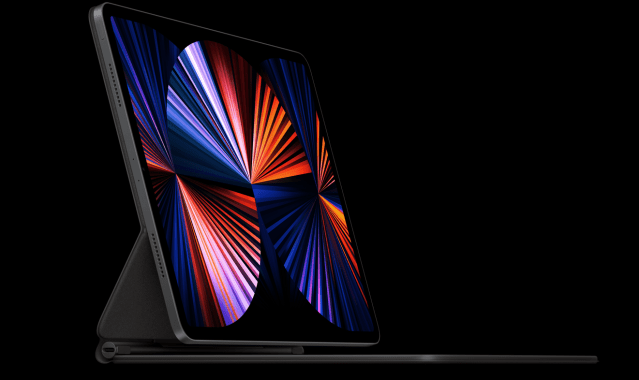
Apple enjoyed 64.3 percent growth in the tablet market in Q1, expanding its leadership from 30.0 percent to 31.7 percent, according to IDC. Second placed Samsung inched up slightly to 20.0 percent share on 60.8 […]

2020 was a remarkable year for the wearables market. With more people working and learning remotely, demand for such devices rose an astonishing 28.4 percent to 444.4 million units, according to IDC. The research firm […]
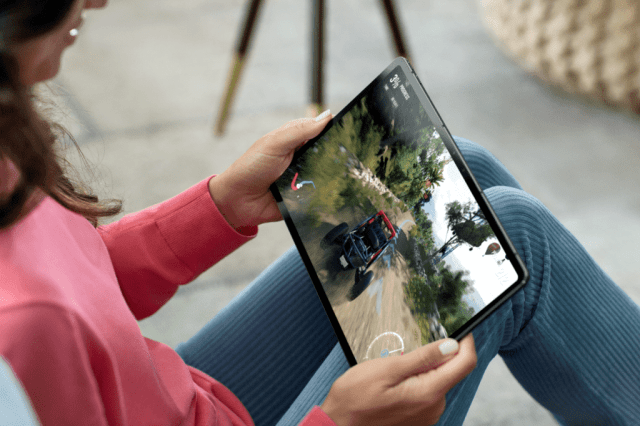
It took a pandemic to stem four years of decline in India’s tablet market. COVID-19 fuelled a 14.7 percent year on year growth to 2.8 million units in 2020, according to IDC. The rising demand […]

Despite a 14.6 percent year-on-year decline, Samsung maintained its pole position in the global smartphone market in 2020, according to Gartner. Apple sailed past Huawei to take the second spot with 3.3 percent annual growth. […]

The success of its iPhone 12 series propelled Apple to the top of the smartphone market with 23.4 percent share in Q4, according to IDC Apple shipped 90.1 million devices in that quarter to drive […]

Refurbished and used smartphones are expected to be in hot demand, growing from 225.4 million units in 2020 to 351.6 million units in 2024, a compounded annual growth rate of 11.2 percent, according to IDC. […]
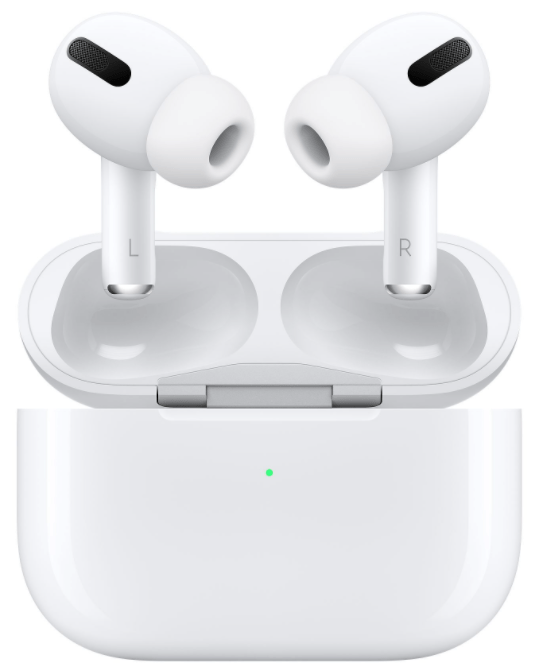
Apple Watches and AirPods have helped to place Apple top of the heap with 33.1 percent share of the global wearables market in Q3, according to IDC. Next was Xiaomi, which experinenced 26.4 percent year […]
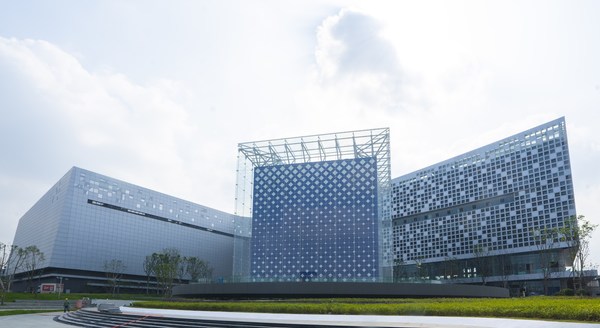
Chengdu plans to make a strong push to advance next generation artificial intelligence (AI). The capital of China’s Sichuan province is working on developing an AI-centreed pilot zone. More than 100 billion yuan (US$15.2 billion) […]

Huawei has buckled under the immense pressure of parts unavailability and chosen to hive off its Honor business to Shenzhen Zhixin New Information Technology. Once the sale is completed, Huawei will not hold any shares […]

Huawei is reportedly planning to hive off its Honor sub-brand of smartphones to a consortium led by Digital China and the Shenzhen government, according to Reuters. The sale of the budget-brand smartphone unit is said […]

Xiaomi was the bright spark in a sea of red as China’s smartphone market slid 14.3 percent year-on-year in Q3, according to IDC. With a 13 percent share, it opened up the gap between Apple […]

Huawei has launched Smart Modular Data Center 5.0, another move towards building smarter and greener data centres. The new data centre uses a 43-inch local touch screen to integrate information communication technology, AI algorithms, intelligent […]
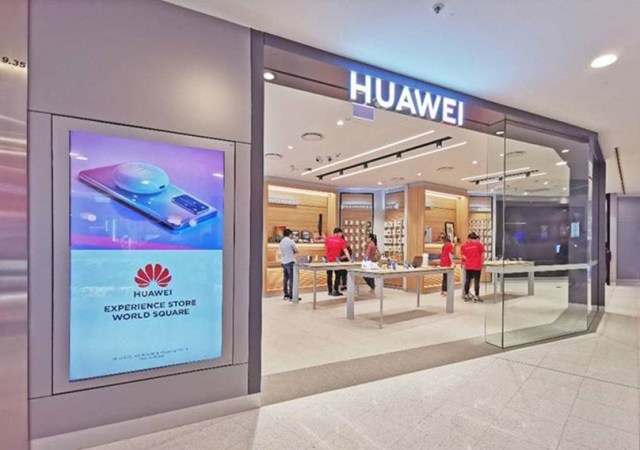
Huawei opened its second Australian Authorised Experience Store at World Square in Sydney at the start of October. Situated in the heart of Sydney’s CBD, the store features a Product Zone which showcases the latest […]
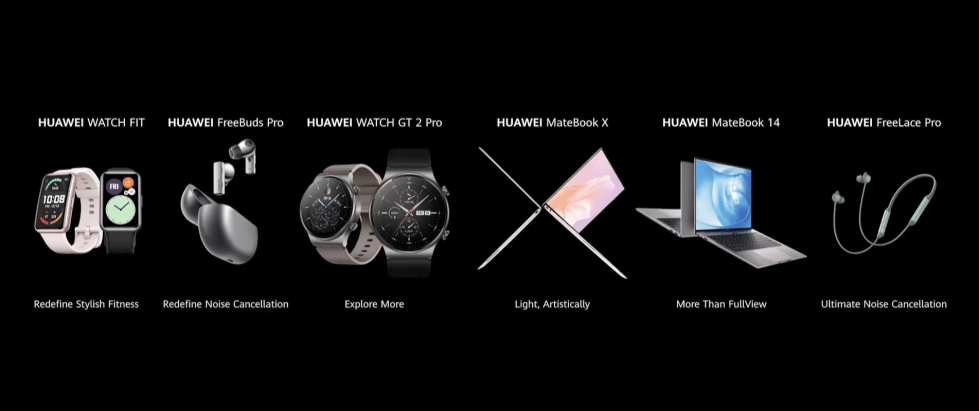
Huawei is certainly making up for lost time. While the pandemic has paused product launches for much of the year, the China giant has responded with the launch of six new products tonigh (Singapore time).

Huawei has battled past sanctions and the withdrawal of Android support to climb to the top of the global smartphone market in Q2. The China smartphone maker shipped 55.8 million units, edging past Samsung which had 53.7 million devices, according to Canalys

Zhou: Mass data will play an increasingly important role in enterprise digital transformation.Huawei has launched the next-generation of its OceanStor Pacific Series mass storage system that delivers efficient, cost-effective, and reliable services for AI, HPC, videos, and other mass data scenarios.
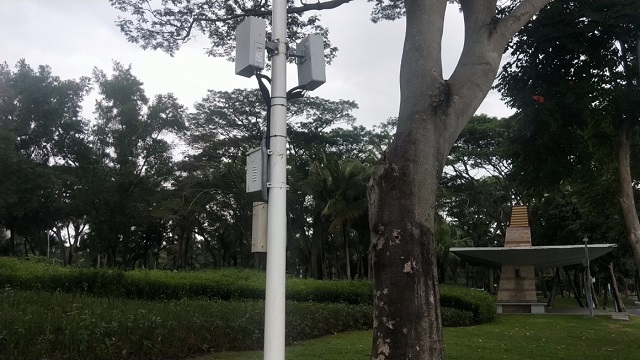
Commercial 5G Book RRU deployed on poles. (Source: Huawei)Providing consistent 5G coverage in residential areas, urban villages, upscale communities, and backstreet alleys can be a challenge. China Telecom Shenzhen has overcome this by deploying in hundreds of Huawei 5G C-Band Book remote radio units (RRUs) on macro and pole base stations in China.
 Huawei Cloud and Tencent Games have set up a joint innovation lab on mobile cloud gaming as part of their strategic partnership.
 Mobile World Congress Barcelona may have been canned but the organiser has decided that the awards must still be handed out. It has announced the winners of its Global Mobile (Glomo) Awards.
 The list is growing. Amazon has joined Ericsson, LG and NVIDIA in pulling out from MWC Barcelona. Held from February 24 to 27, the leading mobile event is expected to see fewer participants this year because of the novel coronavirus situation.
Source: HuaweiSlowly but surely, Huawei is putting together the pieces for its Google alternative in the light of the US ban. The latest is a tie-up with TomTom for maps to replace Google Maps.

The Honor Pro has helped Huawei grow in Q3.Amid a 0.4 percent contraction in the global smartphone market in Q3 compared to the corresponding quarter last year, Huawei continued to stride ahead with 26 percent growth. It has narrowed the gap with Samsung at the top while pulling away from Apple in third spot.
 Singapore will have 100 more artificial intelligence (AI) architects and 1,000 more AI developers over the next three years — thanks to the newly-launched Huawei AI lab.

Huawei achieves strong domestic performanceDespite the challenges of US sanctions, Huawei has steamrolled ahead and narrowed the gap with Samsung for global smartphone supremacy in Q3.
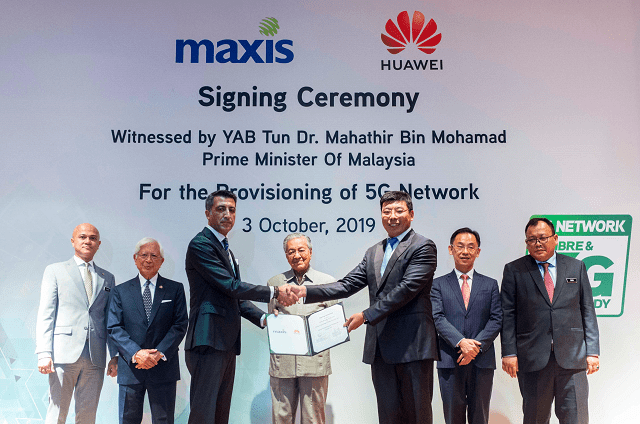 Malaysia’s second largest mobile network operator Maxis has inked a deal with Huawei to roll out 5G in Malaysia next year.
 The signs are not good for smartphone sales as Gartner reports a 1.7 percent decline in Q2. Bucking the trend among the top five markets are China and Brazil. China clocked up 101 million smartphone sales, up 0.5 percent year on year in Q2, to maintain its top position.
 By Edward Lim
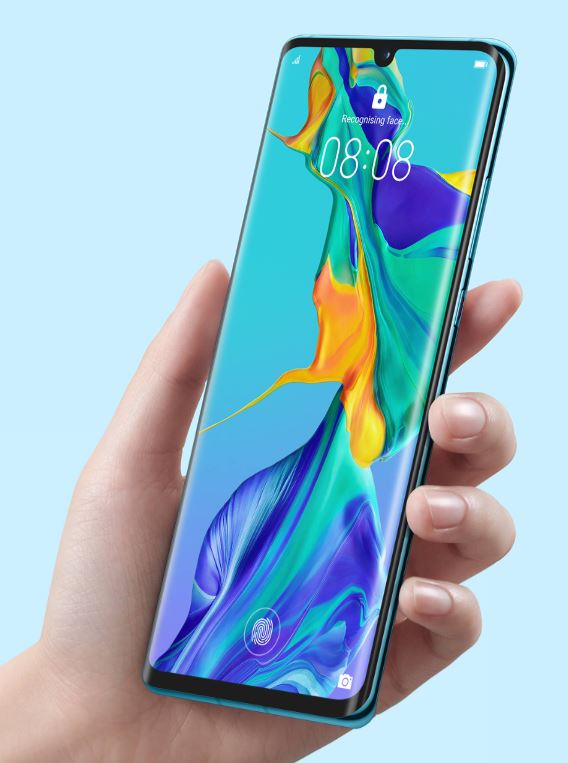
It was only a matter of time before the spat between the US and China went up another level. And this week, Google joined in the fight by pulling out support for China’s world number 2 phone maker Huawei.

While its competitors struggled, Huawei strode ahead and emerged the winner in the worldwide smartphone market in Q1. Though it’s still behind market leader Samsung, the China-based smartphone giant narrowed the gap with an astounding 50 percent growth in the quarter, according to IDC.
 Thailand has bucked an attempt by the United States to block Huawei by letting the Chinese telecom giant trial 5G in the country.
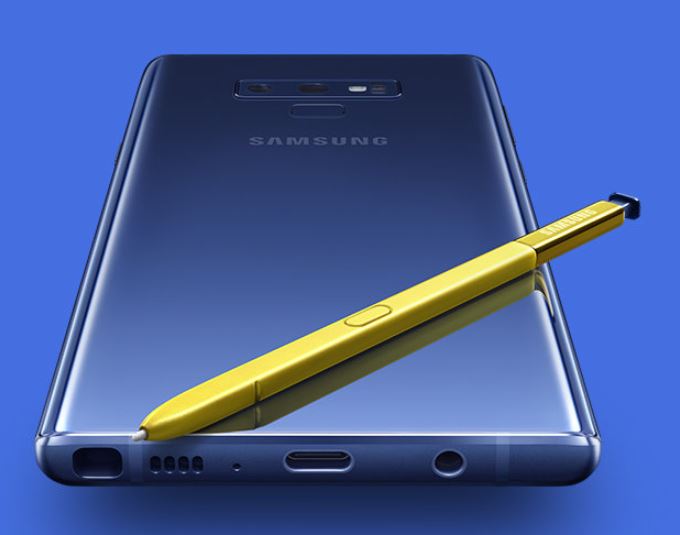 Smartphone vendors shipped 355.2 million units in Q3, down six percent from the corresponding quarter last year, according to preliminary estimates by IDC. This is the fourth straight quarter of year-on-year decline.
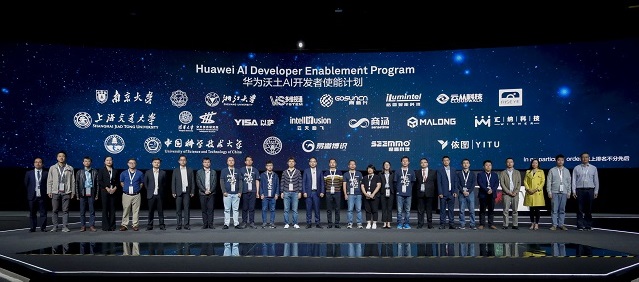 Huawei has upped the ante with an ambitious US$140 million investment in developing one million artificial intelligence (AI) talents in three years. Under its AI Developer Enablement Programme, the China telecoms giant will work with universities and research institutions as well as partners and developers to build an ecosystem with AI resources, platforms, courses, and joint solutions to better support AI development.
 A battle of sorts is taking place in the field of artificial intelligence (AI). It has been widely reported that China is ramping up its focus on the technology that is expected to transform businesses and industries. Numbers from ABI Research point to a swing in favour of China.
 The ongoing spat between China and the US seem to have claimed another victim. Apple has removed 25,000 gaming-related apps from its China app store. This move follows hard on the heels of the US ban on Huawei and ZTE technology from being used by the US government and government contractors yesterday.
 Qualcomm is targeting smartwatches for children with its Snapdragon Wear 2500 platform. Announced at Mobile World Congress Shanghai, the chip is designed to deliver extended battery life, low power location tracking and an optimised version of Android for kids.
 Twenty-two days. It took relatively unknown smartphone maker OnePlus just that amount of time to sell one million units of OnePlus 6, its latest smartphone.

China smartphone makers Huawei and Xiaomi grew strongest as the market recovered in Q1, according to Gartner.
 In a quarter when the China smartphone market experienced it biggest ever decline, Xiaomi bucked the trend and grew 37 percent to 12 million units, according to Canalys.
 Amid rumours that Apple was going to axe the iPhone X came encouraging sales numbers by Canalys.
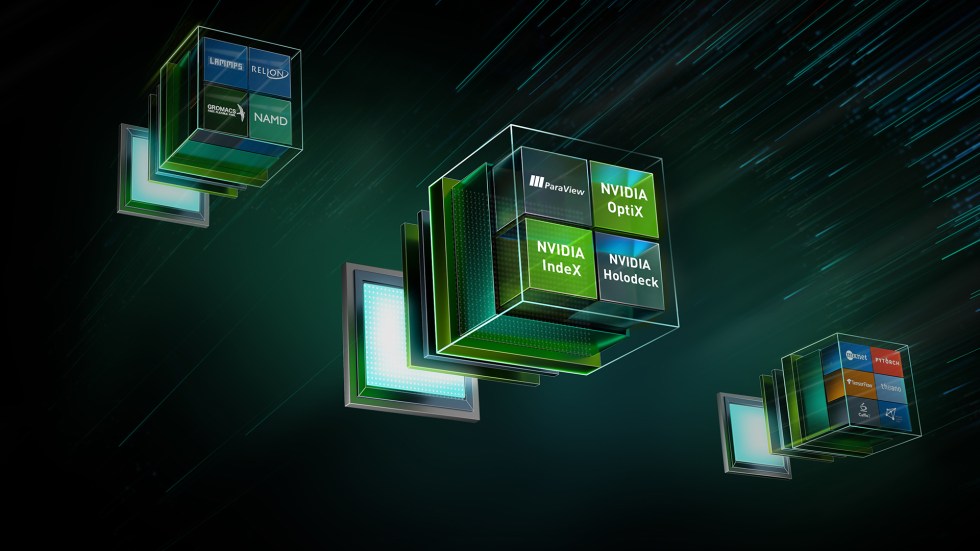
NVIDIA’s Volta architecture is leaving quite an impression. According to a NVIDIA press release issued at SC17, the Volta-based NVIDIA Tesla V100 GPU is available through every major computer maker and chosen by every major cloud to deliver artificial intelligence (AI) and high performance computing.
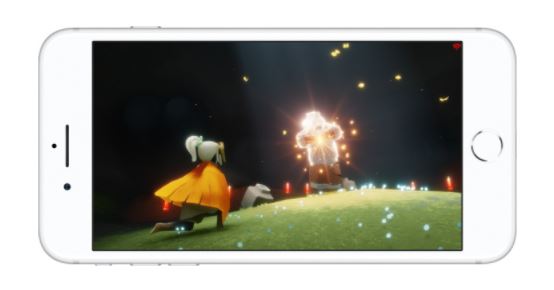
The launch of the iPhone 8 and drop of prices of older models have helped Apple turn in a sterling quarter in China, with shipment rising 40 percent to 11 million units this Q3.
 China’s top technology companies are betting big on the NVIDIA Volta platform.
Alibaba Cloud, Baidu, and Tencent are incorporating NVIDIA Tesla V100 GPU accelerators into their data centres and cloud-service infrastructures to accelerate AI for a broad range of enterprise and consumer applications.
At the heart of the new Volta-based systems is the NVIDIA V100 data centre GPU. Built with 21 billion transistors, it provides a 5x improvement over the preceding NVIDIA Pascal architecture P100 GPU accelerators, while delivering the equivalent performance of 100 CPUs for deep learning. This performance surpasses by 4x the improvements that Moore’s law would have predicted over the same period of time.
Inspur, Lenovo and Huawei are using the NVIDIA HGX reference architecture to offer Volta-based accelerated systems for hyperscale data centres. Using HGX as a starter “recipe,” original equipment manufacturer and original design manufacturer partners can work with NVIDIA to more quickly design and bring to market a wide range of qualified GPU-accelerated AI systems for hyperscale data centres to meet the industry’s growing demand for AI cloud computing.
 New Android mobile phone launches spurred growth in Australia, leading to year-on-year growth of 18.4 percent to 2.16 million units, exceeding expectations in Q2, according to IDC.
Smartphones accounted for nearly all of the shipped phones — totalling 2.06 million.
Android returned to being the most popular smartphone OS in Australia. Recently, iOS had overtaken Android as the most popular smartphone OS in Q4 2016 as it held over 54 percent of the market compared to 47 percent for Android.
 Entelechy Asia