Tag: smartphones

Samsung and Xiaomi neck-to-neck in India in Q2

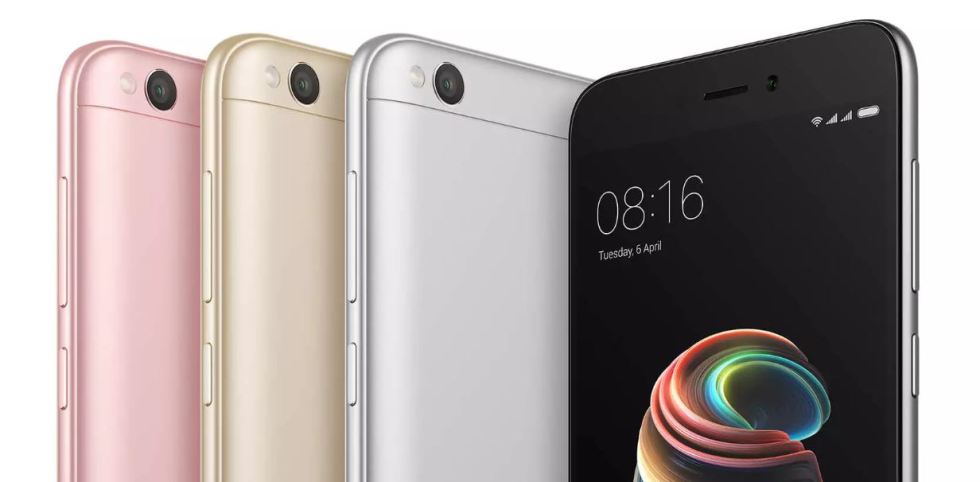
The Redmi 5A was Xiaomi's bestselling phone in India in Q2.
The Redmi 5A was Xiaomi’s bestselling phone in India in Q2.

Xiaomi and Samsung shipped 9.9 million smartphones each to India in Q2. Together they account for 60 percent of the total shipment that quarter, according to Canalys.

HTC to slice 1,500 from workforce

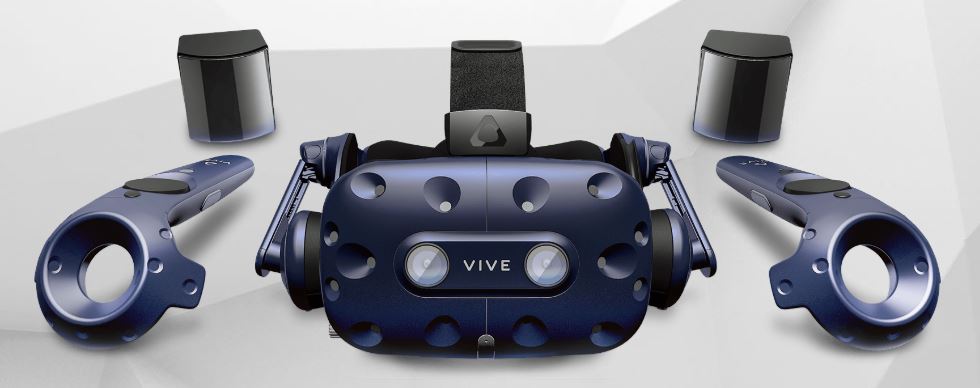
Even the Vive wasn't enough to keep HTC intact.
Even the Vive wasn’t enough to keep HTC intact.

Taiwan smartphone maker HTC is making a cut of the most painful kind — by slicing 20 percent of its workforce. The decision to swallow the bitter pill comes in the wake of heavy losses and strong competition.

App to teach children responsible mobile device usage

Help is at hand for parents who need help in teaching their young children the dos and don’ts of using smartphones and other mobile devices. They can now turn to Tittle for Parents, an app that lets parents protect their children on mobile devices and teach about safe and appropriate use.

Royal Holdings launches 3D image scanner for smartphones

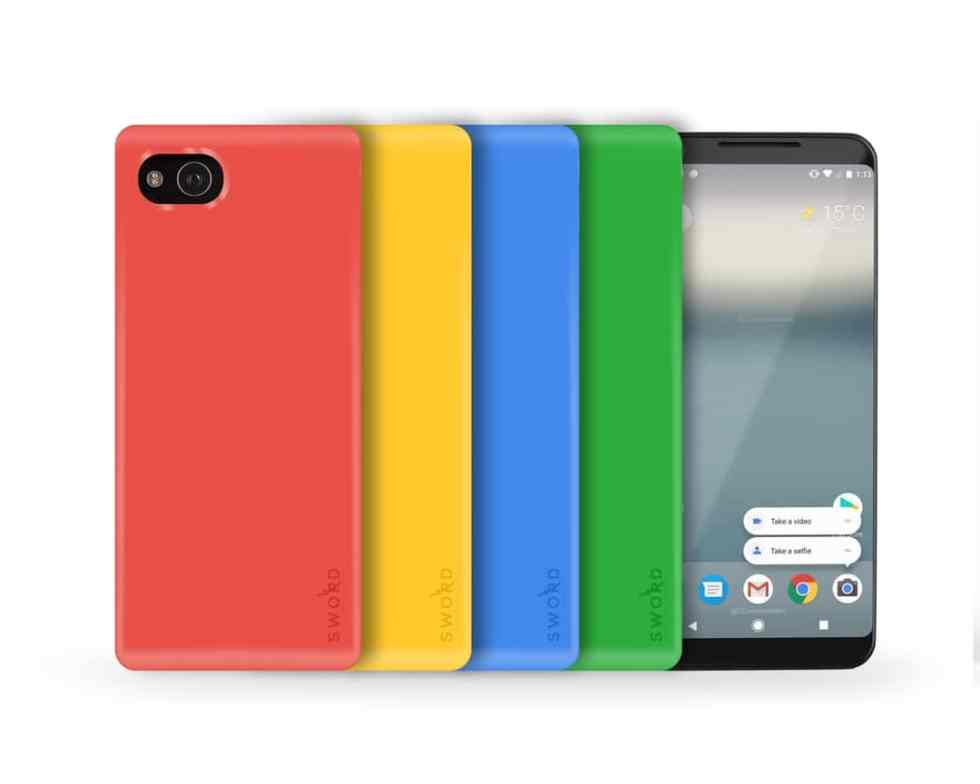
Security checks have become the norm in airports, malls and many public places. While screening devices are often bulky, a more portable alternative is now available following the launch of SWORD, a mobile 3D image scanner that can be used with smartphones.

India smartphone market posts strongest Q1 shipment

The popular Redmi 5A has helped Xiaomi retain its pole position in India.

The India smartphone market shipped 30 million units in Q1, the strongest Q1 performance ever and an 11-percent growth year on year, according to IDC.

ZTE ceases activities

ZTE has hit a massive roadblock that has resulted in the cessation of its business operations. China’s number 2 telecom equipment maker was hit by the US’s seven-year blockade to vital components needed for its devices.

Xiaomi tops India smartphone market in Q1

Xiaomi shipped 3.5 million Redmi Note 5A smartphones in Q1.

Building on a momentum of 155 percent annual shipment growth in India last year, Xiaomi started Q1 at the top with a whopping nine million plus units to snag 31 percent market share, according to Canalys.

Doogee unleashes 4 innovative smartphones

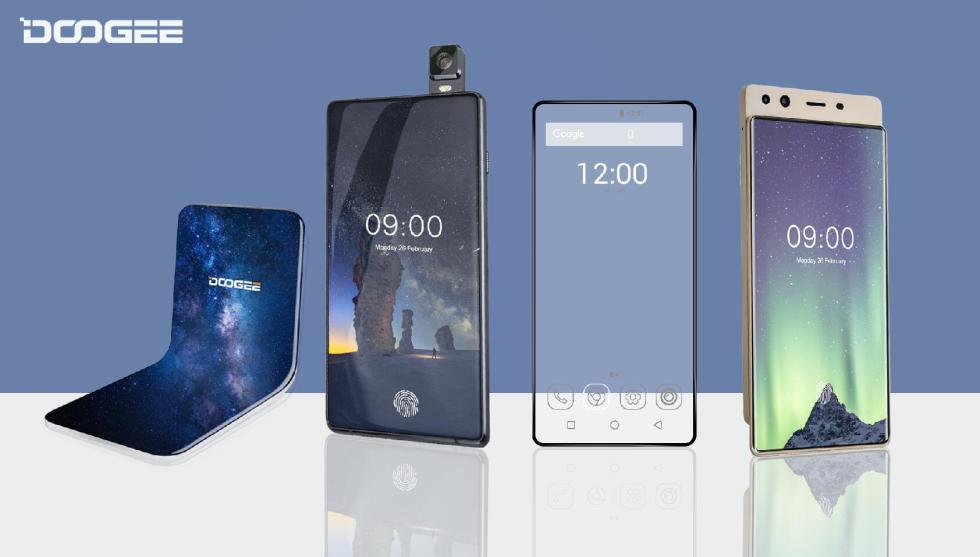
Shenzhen-based Doogee is not one for the humdrum. While most other smartphones sport mostly similar technologies, this maker has decided to go for the different feel with four new phones — the transparent Doogee TT, flip camera Mix 3, slide phone Mix 4, and flexible screen phone.

Something old, something new

The telecommunications industry, specifically mobile communications, is converging in Barcelona this week. Even before Mobile World Congress (MWC) kicks off today, two companies have fired the first salvo with something old, something new.

5 things to do when your social media platform is down

When WhatsApp was down for a few hours last Friday (November 3), Facebook timelines were filled with panic posts by people unable to communicate on WhatsApp. Snapchat is reported to be down at the point of writing and again, there is frenzy over the outage.

Sweet quarter for Apple in China

iPhone 8
The iPhone 8 helped spur Apple’s growth in Q3.

The launch of the iPhone 8 and drop of prices of older models have helped Apple turn in a sterling quarter in China, with shipment rising 40 percent to 11 million units this Q3.

Enter the gaming smartphone

Razer Phone
Play Final Fantasy XV on the new smartphone.

Finally, a smartphone that’s made for gamers. Razer has launched in London the latest high-end smartphone with a focus on mobile gaming.

But what makes this phone different from others in the market? And how does it enhance the mobile gaming experience?

Smartphone makers in a rush?

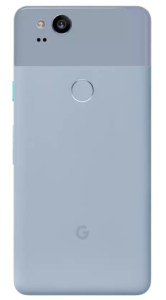
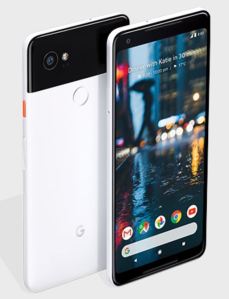
Google Pixel 2 XLIn 2016, Samsung had battery overheating issues with its Note 7. Recently, Apple is constantly pushing out iOS 11 fixes to improve battery life for the iPhone 8. And now, Google is working on a solution to address the screen burn-in issues of the Pixel 2.

What’s happening? Are smartphone makers in such a rush to launch new phones that they are cutting short quality tests? Admittedly, this is the probably the hottest segment of the consumer technology market and every player is trying its best to outdo each other.

According to IDC, the worldwide smartphone market will reach a total of 1.53 billion units shipped in 2017, up 4.2 percent from the 1.47 billion units shipped in 2016. That’s a lot of phones and perhaps the reason why makers are hurrying to snare a share.

Google sets up online Singapore store

Hurray, Google has finally set up an online store for Singapore! Amid the flurry of announcements made yesterday, this is probably the most significant for those in Singapore. After all, what’s the point of reading and hearing about all the launches in recent years without being able to buy the products anywhere in the country.

The bad news, however, is that only three products were listed on the Google Wifi, Google Chromecast and the newly-launched Google Pixel 2 XL.

Google’s latest smartphone sports front-facing stereo speakers, and front and rear cameras capable of producing amazing shots using fused image stabilisation of optical and digital zoom. Though the headphone jack is gone, Google has introduced Pixel Buds that can translate up to 40 languages on the fly.

New Android devices boost Australia smartphone market in Q2

New Android mobile phone launches spurred growth in Australia, leading to year-on-year growth of 18.4 percent to 2.16 million units, exceeding expectations in Q2, according to IDC.

Smartphones accounted for nearly all of the shipped phones — totalling 2.06 million.

Android returned to being the most popular smartphone OS in Australia. Recently, iOS had overtaken Android as the most popular smartphone OS in Q4 2016 as it held over 54 percent of the market compared to 47 percent for Android.

Device market to dip in 2017

Global demand for devices — PCs, tablets and smartphones — are expected to dip slightly this year, with Gartner projecting shipment exceeding 2.3 billion units, a decline of 0.3 percent from 2016.

However, the market is forecast to return to growth in 2018 with a 1.6 percent increase in shipment.

“Overall, the shipment growth of the device market is steady for the first time in many years. PC shipments are slightly lower while phone shipments are slightly higher — leading to a slight downward revision in shipments from the previous forecast, “said Ranjit Atwal, Research Director of Gartner.

China vendors corner India smartphone market

China-based vendors strengthened their grip in the India smartphone market, snaring 51.4 percent share of the smartphone shipment in Q1, according to IDC. They grew 16.9 percent sequentially and an impressive 142.6 percent over the same period last year.

In contrast, share of homegrown vendors dropped to 13.5 percent in the Q1 from 40.5 percent in the same quarter last year.

Overall, 27 million smartphones were shipped in Q1, a  14.8 percent growth over the same period last year. Unlike last year, shipment grew sequentially in the first quarter of 2017 by 4.7 percent recovering from demonetisation impact in Q4.

Huawei smartphone strides ahead in China

Huawei has taken top spot again in China’s smartphone market, edging past Oppo after two quarters of trailing in second place. According to Canalys, the Chinese smartphone giant, which launched the P10 and P10 Plus during MWC, shipped close to 21 million units to secure an 18 percent market share in Q1.

Despite strong annual growth of 55 percent, Oppo fell to second place with shipments of just under 20 million units. Third-placed Vivo had the lowest annual growth of the top three, capturing a 15 percent share with its shipment of 17 million units.

“China’s smartphone market continues to grow, with shipments increasing by over nine percent year on year this quarter. But there is a clear indication that the market is consolidating. The top three vendors are pulling away at the head of the market, accounting for more than 50 percent of shipments for the first time this quarter,” said Lucio Chen, Research Analyst of Canalys.

Read More

China smartphone market hits record high

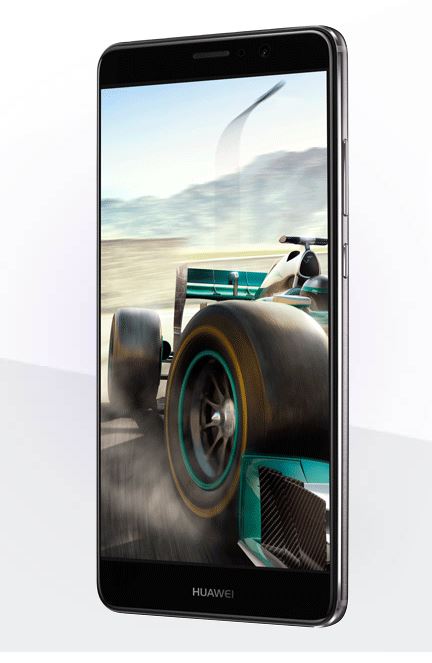
The very popular Huawei Mate 9 helped propel Huawei to the top.

Everybody knows China is big but with nearly half a billion smartphones shipped last year, the market is massive — that’s one smartphone for every three person in the world’s most populous country.

According to Canalys estimates, China reached 476.5 million unit shipment, growing year on year at 11.4 percent, far exceeding the annual growth rate of 1.9 percent in 2015. China shipment reached 131.6 million units in Q4, which is the highest single quarter total in history, accounting for nearly a third of worldwide shipment.

Huawei took the top spot in the market with 76.2 million shipment, a small lead ahead of runner-up Oppo with 73.2 million units, followed by Vivo in third place at 63.2 million units.

China phone makers dominate India market in Q4

CanalysWhile Samsung remained at the top, China smartphone makers occupied four of the top five positions to snare the lion’s share in India in Q4, according to Canalys.

Their extremely price-competitive devices pushed out India makers, who have been hit hard by the Indian government’s decision to demonetise the INR500 and INR1,000 (US$7.30 and US$14.65) banknotes.

“Local brands’ target customers typically buy in cash and from independent retailers. With the short-term liquidity crunch caused by demonetisation, these retailers are suffering a slowdown in consumer spending. Local vendors are losing out as retailers look to shift their stock to fast-moving, current devices. In Q4 2015, Micromax, Intex and Lava took second, third and fifth place, accounting for almost 30 percent of the market. One year on and all three vendors have dropped out of the top five, with their collective share falling to around 11 percent,” said Rushabh Doshi, Analyst of Canalys.

Smartphone shipment up 6% in Q3

CanalysThree Chinese smartphone vendors — Huawei, Oppo and vivo — helped drive the global smartphone market in Q3. Together their shipment grew 60 percent while the overall global market just moved up six percent that quarter, according to Canalys.

The standout performer was Oppo, which had a stellar quarter, taking hold of the Chinese market from under the noses of its rivals. Its smart phone shipments grew around 40 percent sequentially and 140 percent year on year. Tough competition in China has affected Huawei’s global position, with it now looking increasingly unlikely that it will reach its annual shipment target of 140 million units.

Samsung continued to lead the market, but its issues with the Note 7 are starting to affect its business. It shipped just over 76 million units (excluding all Note 7s), down nine percent on the same quarter a year ago. In second place, Apple’s iPhone shipments also suffered an annual decline, falling five percent  to just over 45 million units.

Oppo tops China’s smartphone market

The Oppo R9 has helped propel the Chinese smartphone vendor to the top.

Move aside Huawei and Xiaomi because Oppo is now the leader in China’s smartphone market. And the number goes to vivo, another Chinese maker.

According to IDC, the China smartphone market grew 5.8 percent year-on-year and 3.6% quarter-on-quarter in Q3 with Oppo and vivo overtaking Huawei for the first time.

Oppo and vivo rose because the Chinese market has evolved beyond operator and online driven channels over to an offline structure that dovetails with Oppo and vivo’s strengths.

Global devices market continue to shrink for second year

GartnerWorldwide combined shipments for devices (PCs, tablets, ultramobiles and mobile phones) are expected to drop three percent in 2016, according to Gartner.

This will mark the second consecutive year of decline as the global devices market fell by 0.75 percent in 2015. And the immediate future remains bleak for this market.

“The global devices market is not on pace to return to single-digit growth soon,” said Ranjit Atwal, Research Director of Gartner.

Huawei guns for top smartphone spot

HuaweiHuawei continues to retain resilience in a crowded and competitive global economic environment, aiming to become the top global smartphone vendor in five years’ time, according to ABI Research.

Its successive year-on-year rises in smartphone shipments particularly impressive, as Huawei managed to achieve its high ranking without effectively breaking out of its home market. To become a global electronics brand, the company will need to gain a strong foothold in the US and western European markets, but runs the risk of falling victim to the same plights as its larger competitors.

“Ranking by volume as third largest global smartphone vendor, Huawei is attempting to expand its reach by creating its own chipsets and mobile operating system based on Android. It may succeed with chipsets, but many other competitors tried similar OS development tactics in the past to no avail. It will be tough for Huawei to achieve this goal, even with improved global brand strength and volume gains,” said David McQueen, Research Director of ABI Research.

Philippines is fastest growing smartphone market in SEA

IDCThe Philippines smartphone market jumped 20 percent in Q1, according to IDC. With a projected annual growth of 25 percent this year, this makes the country the fastest growing smartphone market in Southeast Asia (SEA).

“While many of the more mature smartphone markets of the world already displayed signs of saturation, the Philippines smartphone market continues to enjoy robust growth owing to a relatively low smartphone penetration rate (30 percent in 2015), active local brand presence, and healthy consumer spending,” said Jerome Dominguez, Market Analyst for Mobile Devices of IDC Philippines.

Local vendors continue to dominate the Philippines smartphone market as they flood it with the most affordable smartphone options.

Smartphone market in historic drop

It’s almost unthinkable but the smartphone market has dipped for the first time in its history.

According to Canalys, worldwide smartphone shipment fell from 324 million units in Q1 2015 to 321 million units in Q1 2016. The top two vendors both posted shipment declines, with Apple the worse hit.

Excluding Apple and Samsung, smartphone shipment grew five percent despite some of the big named international vendors outside the top five also faring badly. LG, Lenovo and TCL-Alcatel posted significant declines, while Sony plummeted by around 57 percent.

PC shipment down 9.6% in Q1

GartnerWorldwide PC shipment shed 9.6 percent to 64.8 million in Q1, according to Gartner. This was the sixth consecutive quarter of PC shipment declines, and the first time since 2007 that shipment volume fell below 65 million units.

In the Asia-Pacific, PC shipment dropped 5.1 percent to 23.3 million units. The ongoing fragile Chinese economy and weak global demand continued to dampen consumer sentiment in the region.

With high PC penetration in the major cities, it was a challenge to invoke PC replacements on the appeal of new technology. The PC life cycle is lengthening as many consumers are waiting until their PC breaks down before purchasing a new one.

Slower smartphone growth in 2016

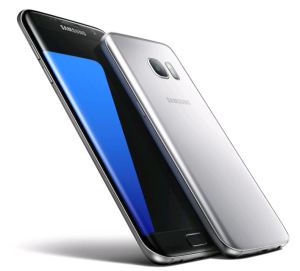
Despite the launch of new models, such as the Samsung Galaxy S7 Edge, smartphone growth is expected to slow down this year.

Global smartphone sale is expected to experience just a single-digit growth this year, according to Gartner.

It estimates that global smartphone sale will reach 1.5 billion units, a seven percent increase from 2015. The total mobile phone market is predicted to reach 1.9 billion units in 2016.

“The double-digit growth era for the global smartphone market has come to an end. Historically, worsening economic conditions had negligible impact on smartphone sales and spend, but this is no longer the case. China and North America smartphone sales are on pace to be flat in 2016, exhibiting a 0.7 per cent and 0.4 per cent growth respectively,” said Ranjit Atwal, Research Director of Gartner.

While smartphone sales will continue to grow in emerging markets, the growth will slow down. Gartner predicts that, through 2019, 150 million users will delay upgrades to smartphones in emerging Asia-Pacific, until the functionality and price combination of a low-cost smartphone becomes more desirable.

China smartphone sale hit record high in Q4

IDCSmartphone sale hit a record 117.3 million in China in Q4. This represents an eight percent growth compared to the same period last year.

The phenomenal increase was partly driven by China’s annual singles day online shopping festival in November and Huawei’s strong shipments in the quarter. China’s Q4 growth boosted the calendar year 2015 growth to three percent.

“Xiaomi, Huawei and Apple are the top smartphone players in 2015. This is a stark contrast to the top players in 2013, which was Samsung, Lenovo and Coolpad – with Samsung clearly dominating other players. With operators reducing smartphone subsidy and given the volatility of consumers’ brand preference in the market, the smartphone scene has changed significantly since then,” said Tay Xiaohan, Senior Market Analyst of IDC Asia/Pacific’s Client Devices team.

Samsung extends lead in India smartphone market

CanalysSamsung has pulled further ahead of the competition with a quarter share of the India smartphone market in 2015, according to Canalys.

Micromax held on to second place, with annual shipment falling by more than 20%, primarily due to inventory build-up in its distribution network.

Lenovo and Motorola’s combined shipments were just short of three million units, up almost 60 percent up from the previous year, moving them past Intex to take third place in the market.

Samsung introduces Galaxy A smartphones in Singapore

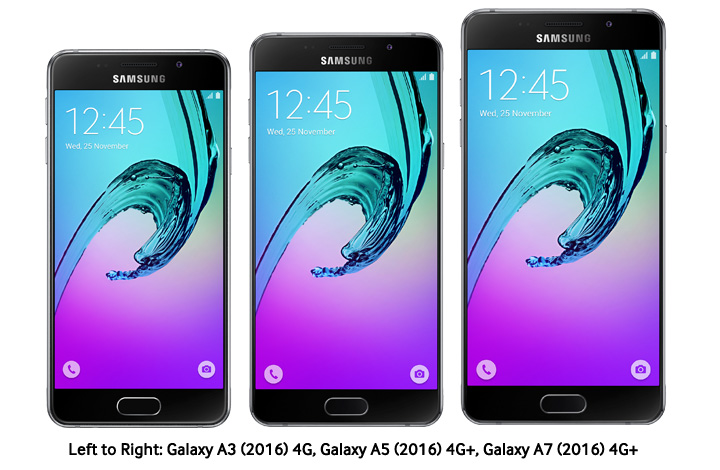
Samsung Galaxy A 2016Samsung has launched its Galaxy A (2016) smartphones – the Galaxy A3 (2016) 4G, Galaxy A5 (2016) 4G+ and Galaxy A7 (2016) 4G+ – in Singapore. These additions come in three screen size options: 4.7-inch for the Galaxy A3 (2016) 4G, 5.2-inch for the Galaxy A5 (2016) 4G+ and 5.5-inch for the Galaxy A7 (2016) 4G+.

The ultra slim unibody sports a 2.7mm narrow bezel for an immersive viewing experience.

The smartphones pack a 13MP rear camera and a 5MP front-facing camera with brighter f1.9 aperture lenses. Innovative smart selfie features such as wide selfie, palm selfie and beauty face embedded in the Galaxy A (2016) allow users to capture high-resolution and vivid selfies with ease. The Galaxy A5 (2016) 4G+ and Galaxy A7 (2016) 4G+ rear cameras are also enhanced with optical image stabiliser for blur-free images.

Omni-channel communications gaining traction in APAC

frost and sullivanWhile voice interaction remains the primary communication channel in contact centres, the concept of an omni-channel is gaining popularity in Asia-Pacific, according to Frost & Sullivan.

With smartphone penetration and social media usage on the rise, an increasing number of organisations are working closely with system integrators and independent software vendors to implement the omni-channel platform. Their objective is to overcome the existing silo nature of communication channels and provide a consistent and seamless customer experience across voice, email, SMS, Web-chat, social media and real-time video interactions. In response, contact centers are transforming into ‘customer engagement centers’ with multi-channel strategies that are tightly integrated with mobile applications and self-service capabilities.

According to Frost & Sullivan, the market earned revenues of US$699.5 million in 2014 and is estimated to reach US$952.9 million in 2021 with a compound annual growth rate of 4.5 percent. The study covers automatic call distributors, outbound systems, computer telephony integration, interactive voice response, workforce management, call monitoring, speech technology and multimedia systems. Workforce optimisation and analytics are expected to lead revenue growth across these segments, driven by the continuous focus on contact centre operation performance management.

Mobile phones improve emergency response in developing countries

Developing TelecomsWhile many cannot imagine life without mobile phones, the technology can be a life-saver in disasters. Case in point are recent crises in Afghanistan, Indonesia, Iraq, Nepal, and the Philippines where mobile network coverage enabled those directly impacted to collaborate in order to help themselves and others more quickly and effectively than external aid agencies.

A new report Connected Citizens — Managing Crisis by Developing Telecoms noted that working with “Connected Citizens” enables aid agencies to work more efficiently by better targeting the areas of greatest need and more accurately identifying requirements.

The overall effect is to speed up response, improve aid delivery and reduce both the short and long term impact of disasters. Maintaining mobile network coverage enables connected citizens to become active partners in recovery and reconstruction, rather than passive recipients of aid.

Smartphone’s fingerprint sensors boost biometrics market

abi researchMore Chinese smartphone vendors are investing in equipping their devices with fingerprint sensors with such phones expected to hit one billion shipment by 2020, marking a 17 percent CAGR, according to ABI Research.

Biometrics on smartphone devices have moved past the simple authentication option and are headed towards establishing a more robust mobile payment solution.

However, other biometric modalities such as face, voice and eye-based recognition are currently moving out of the fledgling phase and are to be integrated as highly-secure – albeit more expensive – biometric capabilities in smartphone devices with a five-year CAGR revenue growth of 144 percent.

Huawei and Volkswagen to collaborate on smart cars

Volkswagen LamandoHuawei and Volkswagen are working together on car connectivity. They have unveiled technology that integrates smartphone functions with vehicle-mounted systems and allows drivers to use those functions safely while driving at the International Consumer Electronics Show Asia in Shanghai this week.

The partners have demonstrated a series of apps that safely allow drivers to use GPS navigation systems, play music, send and receive messages, and make phone calls while behind the wheel. The apps support MirrorLink, an open technology standard designed to maximise interoperability between smartphones and vehicle-mounted systems. They cover multiple services including phone calls, SMS, navigation, multimedia, and payment that are all centered on smartphones.

“Our cooperation with Huawei will seamlessly blend the capabilities of users’ smartphones with the systems in their cars. All content on the phone will be shown in real time on the car’s infotainment touch screen. The result is smart and convenient interaction between phone and car,” said Sven Patuschka, Executive Vice President for Research and Development of Volkswagen Group China.

Wearbles sale to triple in 2015

The HTC Grip is a newcomer to the wearable market.

With vendors are rolling out new wearable devices at Mobile World Congress in Barcelona, it is not surprising that the market is set to boom.

In 2014, GfK noted that 13.5 million health and fitness trackers were sold globally compared to 4.1 million smartwatches. This year, that combined number is expected to jump 51.2 million units in 2015.

Last year, actual sales of health and fitness trackers (HFT) easily outstripped smartwatches. This was driven, in part, by the significantly lower average sales price of HFT, making these devices more affordable than full-feature smartwatches.

India smartphone market shrinks in Q4

IDCSmartphone shipment in India observed its first drop in Q4, according to IDC. The decline was attributed to a high channel inventory at the beginning of the quarter among general trade which in turn was caused by the surge witnessed in online sales during festive season.

Q4 was seen as a correction phase when the Smart Phone market shrank by four percent while the feature phone market plummeted by about 14 percent over the previous quarter. The overall mobile phone market stood at 64.3 million units in Q4, which reflects a sequential drop of 11 percent over Q3 and an annual drop of five percent in 2014.

The feature phone to smartphone migration trend is clearly visible as smartphones formed a healthy 35 percent of the overall mobile business in Q4, an increase of 13 percent fom a year ago.