
FairPrice Group (FPG) has unveiled its Store of Tomorrow (SOT) programme to improve customer and staff experiences across its 164 supermarkets in Singapore. Set to debut at the new Punggol Digital District FairPrice Finest outlet […]
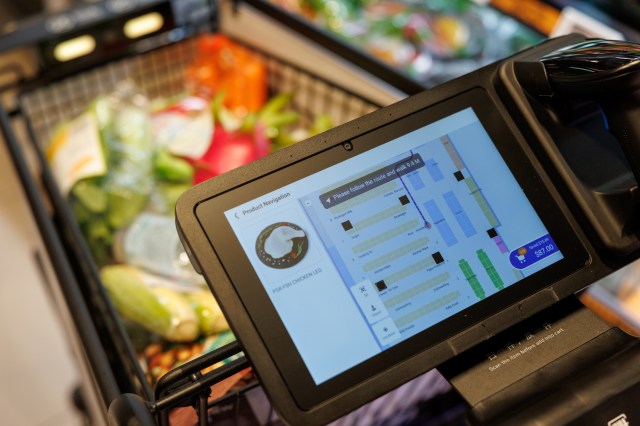
FairPrice Group (FPG) has unveiled its Store of Tomorrow (SOT) programme to improve customer and staff experiences across its 164 supermarkets in Singapore. Set to debut at the new Punggol Digital District FairPrice Finest outlet […]

Talend has updated the Talend Data Fabric end-to-end platform for data discovery, transformation, governance, and sharing. It has added in the Winter 23 release advanced capabilities and enhancements to simplify and automate cloud migrations and […]

Big data and analytics (BDA) is helping enterprises in shaping their businesses and decision making. IDC expects the trend of companies relying on data manipulation to analyse, predict, and swiftly adapt to changing market conditions […]

Nanyang Polytechnic (NYP) is partnering with real-time data company DataStax to help develop the next generation of big data talent in Singapore. The collaboration involves the use of DataStax Astra DB, built on Apache Cassandra […]

LG Electronics has joined IBM Quantum Network to advance industry applications of quantum computing. Being part of the network gives LG Electronics access to IBM’s quantum computing systems, quantum expertise and the Qiskit open-source quantum […]

Informatica has boosted its serverless, Spark-based cloud data integration engine with NVIDIA RAPIDS Accelerator for Apache Spark. The accelerated computing power will give users access to end-to-end machine learning operations capabilities by operationalising machine learning […]

Cognizant has agreed to acquire Australia’s Servian, a privately-held enterprise transformation consultancy specialising in data analytics, artificial intelligence, digital services, experience design, and cloud. This marks the company’s 10th digital-focused acquisition since January 2020, highlighting […]
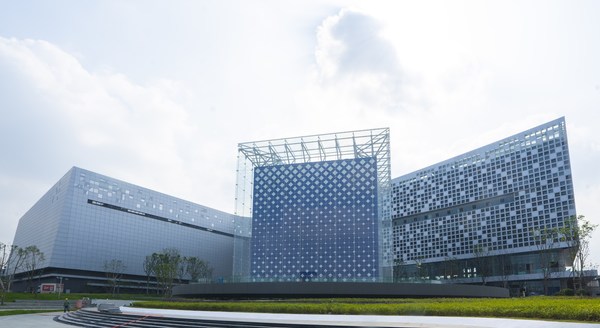
Chengdu plans to make a strong push to advance next generation artificial intelligence (AI). The capital of China’s Sichuan province is working on developing an AI-centreed pilot zone. More than 100 billion yuan (US$15.2 billion) […]

Huawei has launched Smart Modular Data Center 5.0, another move towards building smarter and greener data centres. The new data centre uses a 43-inch local touch screen to integrate information communication technology, AI algorithms, intelligent […]

Australian IT consultancy Servian is bring its expertise in cloud, data, machine learning, DevOps, and cybersecurity to Singapore. The expansion is in response to a call for companies within the region to digitalise in order […]
 Independent open source software company SUSE aims to triple its business in Asia-Pacific and Japan (APJ) in the next three years.

Cloud Expo Asia, Hong Kong is the latest tech event in the region to move online — another casualty of the coronavirus. The dates remain the same — September 23 and 24 — and its contents will be remain online for three weeks after the event.
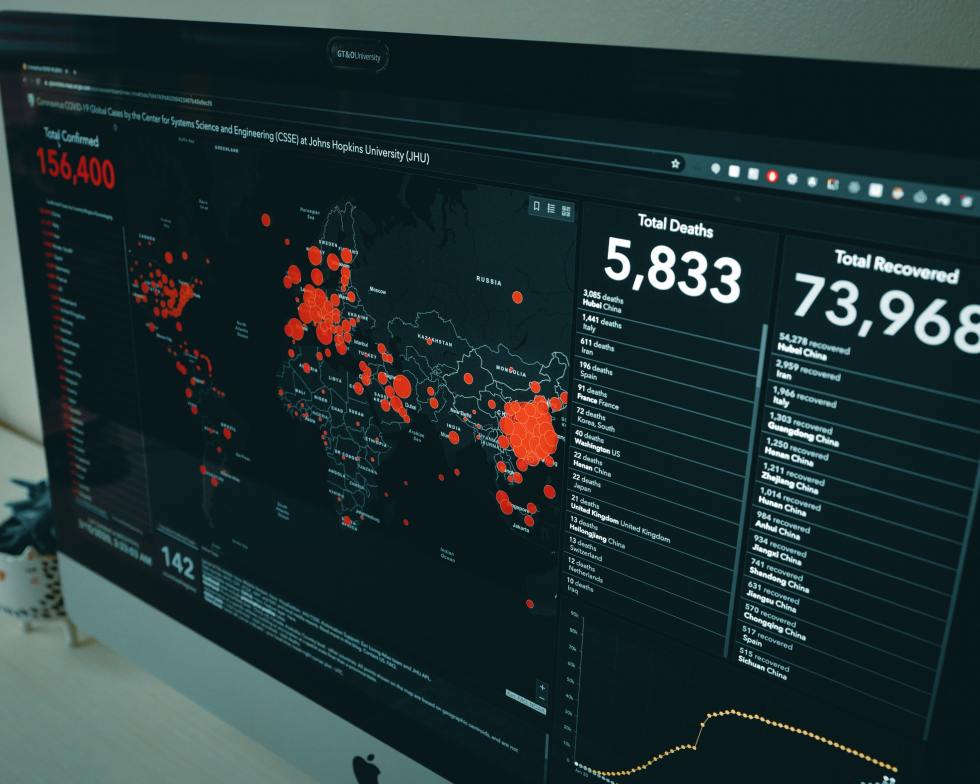
Australia-based Euclideon has made free udStream, a 3D data visualisation product that unlocks for businesses the value of volumes of data that previously might have been left untouched.
 Australia-based Euclideon has released the latest version of its Vault Client software for Windows, which incorporates tools for visualising massive 3D datasets and related information to meet the increasing demand for new ways of handling such huge files.
 Researchers working on sequencing the novel coronavirus and the genomes of people afflicted with COVID-19 now have a helping hand — NVIDIA is offering a free 90-day licence to Parabricks, which uses GPUs to accelerate by as much as 50 times the analysis of sequence data.
 COVID-19 is leaving a trail of cancelled events in its footpath. Two IT events scheduled this week in Singapore have been canned.
 Singapore’s vibrant fintech community has scored another first with Beijing-headquartered strtup ABC Technology making Singapore its international base.

SM Tharman: Keep pushing the frontiers of innovationInventing the future together was the theme of this year’s OktoberTech Asia Pacific conference in Singapore organised by Infineon Technologies. And the semiconductor giant certainly walks its talk. At the opening of the event, it inked three memorandums of understanding (MOUs) to help accelerate innovations in Singapore.
 NVIDIA has announced the NVIDIA EGX Edge Supercomputing Platform which lets organisations deliver next-generation AI, IoT and 5G-based services at scale and with low latency. Along with annoucing this at his keynote address at the opening of Mobile World Congress in Los Angeles, NVIDIA Founder and CEO Jen-Hsun Huang declared that we have entered a new era, where billions of always-on IoT sensors will be connected by 5G and processed by AI.
 It’s a case of preparing them early as Singapore Polytechnic (SP) became the first polytechnic in the country to offer a full-time diploma in applied artificial intelligence (AI) and analytics from April next year.
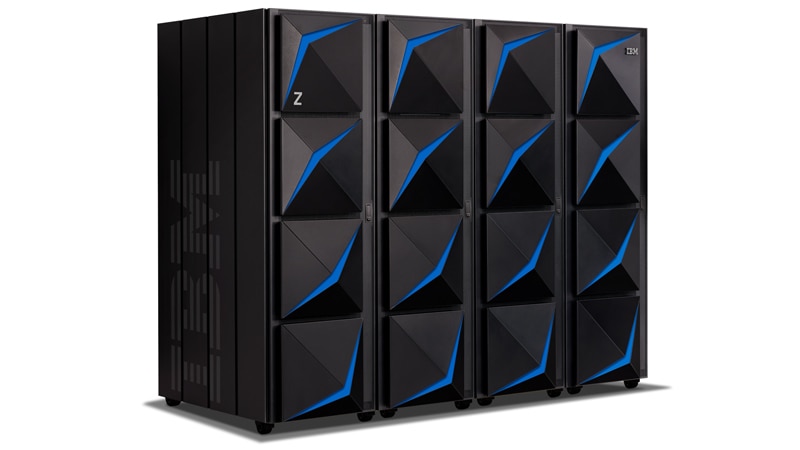 The mainframe computer is not quite going the way of the dinosaur. Even in today’s age of Intel-based servers, there’s still room and relevance for the mainframe. This explains why IBM has launched the z15, its 15th generation of the mainframe.
 Data scientist is one of the hottest jobs in the era of artificial intelligence (AI) where big data is king. IBM and The Open Group have come together to provide a certification programme for this highly-sought after job.

Big data and artificial intelligence (AI) are not usually associated with food and agriculture but five startups have shown that such technologies can play a major role in minimising food loss. Some 1.3 billion tonnes of food are lost worldwide each year.
 Taiwan’s Chinese Medical University Hospital (CMUH) has become the first healthcare provider in Asia to deploy and operate the NVIDIA DGX-2 AI supercomputer.
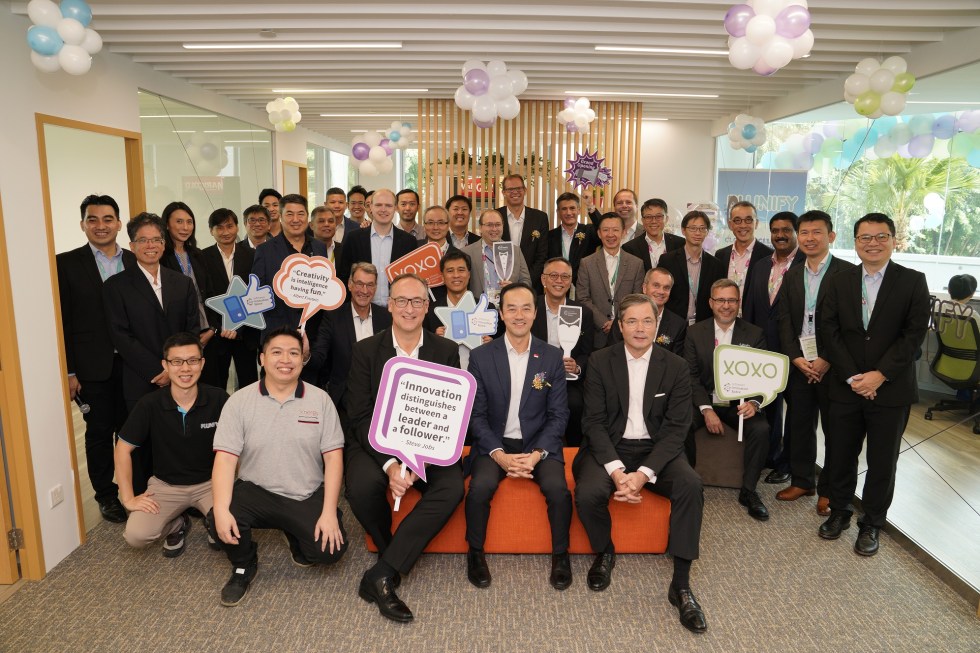
Names such as Ampotech, Plunify, SHADO, and XNERGY may not ring a bell today but with a little help from Infineon, they may well become the successes of tomorrow.
 Social media giant Facebook is partnering with Infocomm Media Development Authority (IMDA) of Singapore to give Southeast Asia startups a head start in developing data-driven technologies.
 The first NVIDIA AI Conference in Sydney on September 4 will kick off with two keynote addresses. Marc Hamilton, Vice President of Solutions Architecture and Engineering, NVIDIA, will talk about Transforming Industries With AI. Jason Humphrey (right), Head of Retail Risk, ANZ Bank, will then share on Creating the Infrastructure to Undertake Deep Learning.
 China e-commerce firm Suning Tesco has opened the first pilot route for unmanned aerial vehicle (UAV) logistics and transportation in Wuhan, China. Its logistics arm Suning Logistics and Ewatt Aerospace jointly developed two UAVs for this purpose.
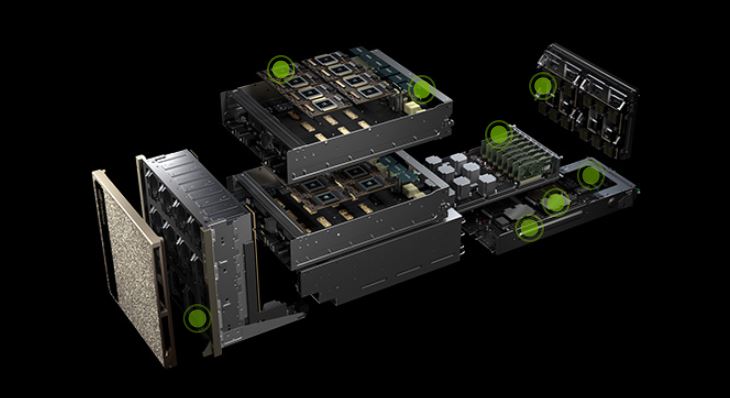
 NVIDIA has introduced the NVIDIA HGX-2, the first unified computing platform for both artificial intelligence (AI) and high performance computing (HPC).

Information and communications technology (ICT) spending in Asia/Pacific (excluding Japan) will hit US$1.5 trillion in 2021, according to IDC.
 Canon Medical Systems will use NVIDIA DGX systems to process large volumes of medical data generated by Abierto VNA, its proprietary, in-house, medical data management system launched in January.
 Where’s a taxi when you need one? That’s the bane of passengers from around the world, except possibly in Taipei where taxis somehow seem to be just where you need them.
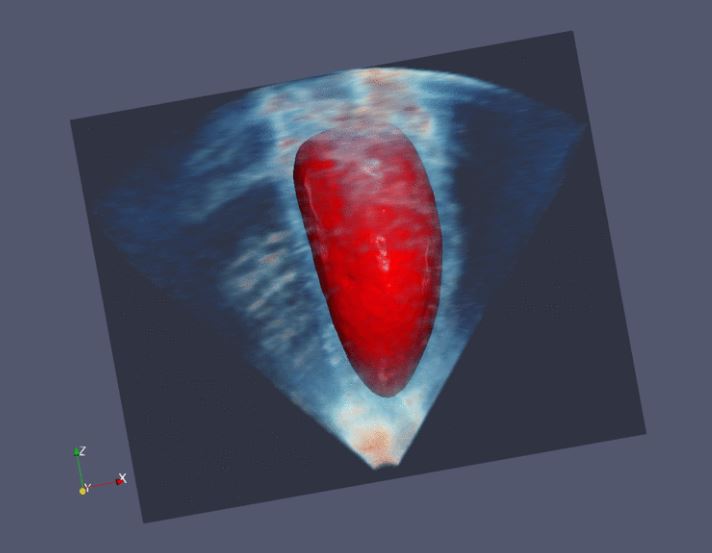 One of the most eye-catching demo during NVIDIA CEO Jensen Huang’s keynote address at GTC 2018 is Project Clara.

NVIDIA CEO Jensen Huang (above) dubbed it the “world’s biggest GPU”. And he certainly wasn’t kidding as the NVIDIA DGX-2 is a massive 350-pounder that delivers an amazing two petaflops of computational power.

The GPU Technology Conference (GTC) has hit new highs with a record of more than 8,000 participants, and filling the entire San Jose McEnery Convention Center.

Security is a growing concern among governments and organisations of all sizes. They must balance the need to provide access to the right people while keeping suspicious folks at bay. Any lapse can result in dire consequences that impact confidence in the country or company.

Every day, around three billion images and videos are uploaded online, creating a massive need to make them discoverable and searchable.

Marina Bay Sands Expo and Convention Centre was a hive of activities of a different sort as more than 700 technologists from 21 countries converged for EmTech Asia on January 30 and 31.

It’s been said that more data was generated in 2017 than in the previous 5,000 years. According to Statista, this figure will increase 10 times in less than a decade.
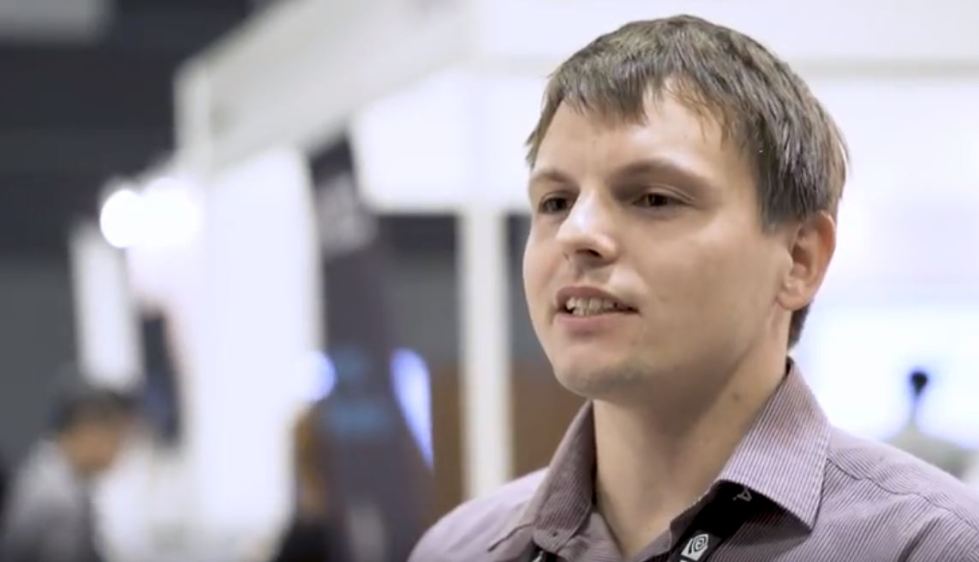
Throughout the ages, men have always been searching for the mythical Fountain of Youth and ways to extend life. Needless to say, many have tried and failed.
 Most Southeast Asian capitals and major cities are notorious for its traffic congestion. In separate developments, Alibaba and Google have taken steps to be more involved in the transportation industries in Malaysia and Indonesia respectively.
 Think artificial intelligence (AI) and the advent of powerful thinking machines and images of Arnold Schwarzenegger of The Terminator come to mind.
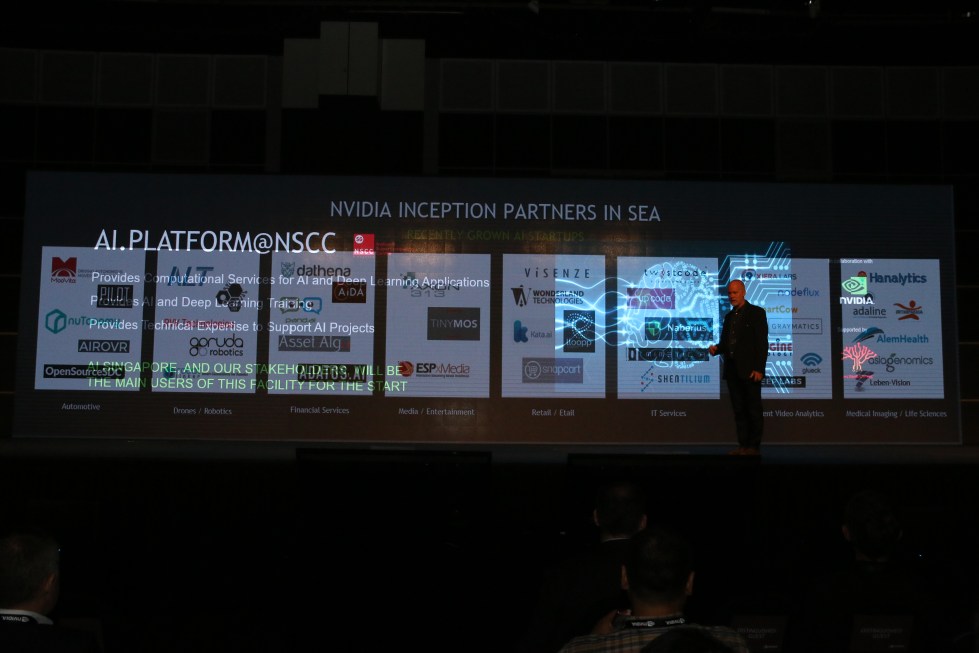
Singapore’s aim to be an artificial intelligence (AI) hub has been boosted with two initiatives — the setting up of a shared AI platform for researchers and the awarding of scholarships to develop AI talents.
At the NVIDIA AI Conference in Singapore yesterday, NVIDIA and Singapore’s National Supercomputing Centre (NSCC) agreed to establish a platform to bolster AI capabilities among its academic, research and industry stakeholders and in support of AI Singapore (AISG), a national programme set up in May to drive AI adoption, research and innovation in Singapore.
Called AI.Platform@NSCC, it will provide AI training, technical expertise and computing services to AISG, which brings together all Singapore-based research and tertiary institutions, including the National University of Singapore (NUS), Nanyang Technological University (NTU), Singapore University of Design and Technology (SUTD), Singapore Management University (SMU), as well as research institutions in the Agency for Science, Technology and Research (A*STAR).
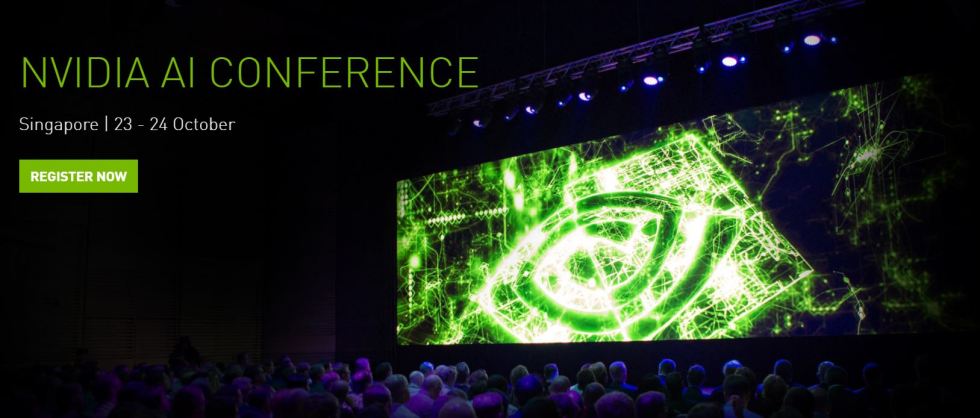 More than 1,000 participants attending the NVIDIA AI Conference in Singapore next week are in for a treat as the organisers are bringing in a tantalising line-up of speakers.
The two keynote speakers are Dr David B Kirk, NVIDIA Fellow and inventor of more than 60 patents and patent applications relating to graphics design; and Dr Wanli Min, AI scientist of Alibaba Cloud, who will touch on A Revolutionary Road to Data Intelligence.
Besides these two, there are special guest-of-honour Chng Kai Fong, Managing Director of Singapore’s Economic Development Board, and a panel discussion on AI for the Future of Singapore Economy.
 China’s top technology companies are betting big on the NVIDIA Volta platform.
Alibaba Cloud, Baidu, and Tencent are incorporating NVIDIA Tesla V100 GPU accelerators into their data centres and cloud-service infrastructures to accelerate AI for a broad range of enterprise and consumer applications.
At the heart of the new Volta-based systems is the NVIDIA V100 data centre GPU. Built with 21 billion transistors, it provides a 5x improvement over the preceding NVIDIA Pascal architecture P100 GPU accelerators, while delivering the equivalent performance of 100 CPUs for deep learning. This performance surpasses by 4x the improvements that Moore’s law would have predicted over the same period of time.
Inspur, Lenovo and Huawei are using the NVIDIA HGX reference architecture to offer Volta-based accelerated systems for hyperscale data centres. Using HGX as a starter “recipe,” original equipment manufacturer and original design manufacturer partners can work with NVIDIA to more quickly design and bring to market a wide range of qualified GPU-accelerated AI systems for hyperscale data centres to meet the industry’s growing demand for AI cloud computing.
 With artificial intelligence (AI) being a hot topic this year, NVIDIA is organising its first AI-focused regional conference in Singapore on October 23 and 24.
The event will be held in two parts with the first day focusing on Deep Learning Institute (DLI) workshop where participants will received hands-on training on deep learningl and the second day filled with keynote addresses, panel discussion and three tracks. It is targeted at data scientists and senior decision makers in the field of AI in both public and private sectors.
“Singapore is aiming to be the world’s first smart nation and AI is playing a critical role. NVIDIA is well positioned to help drive the government’s Smart Nation initiative with the development of solutions based on AI. Our GPUs are making headlines across the world by enabling many breakthroughs in various industries using deep learning,” said Raymond Teh, Vice President of APAC sales and marketing at NVIDIA.
 “I’m amazed at the quality of the papers presented. The project teams’ line of thinking and breakthrough concepts are refreshing,” exclaimed a leading artificial intelligence (AI) scientist at the International Conference on Machine Learning (ICML) in Sydney.
International Convention Centre Sydney was a massive hive of activities as 3,000 of the world’s top researchers, developers and students in AI gathered for ICML. The participants moved rapidly from one workshop to another and took great interest in the exhibition booths of top deep learning proponents such as NVIDIA, Google and Facebook.
With so many bright young talents. the event proved to be a good fishing ground for vendors as they held recruitment interviews at their booths, as well as posted openings on the board.

Artificial intelligence (AI) is not new. In fact, it has so many false starts over the past 60 years. The term went into hibernation for a long time.
Research into AI began way back in Dartmouth College in 1956 and was constantly associated with being the next frontier in the 1980s when mainframe computers ruled and supercomputers were a ginormous investment that very few could afford.
Despite the research put in over the years, the technology never quite took off and fell flat in many instances.
 Global IT services and business services revenues are expected to cross the US$1 trillion mark for the first time in 2018, according to IDC.
Worldwide services spending totals for 2016 are expected to stay within the US$900 billion range and by 2020 expected to near US$1.1 trillion.
With more than US$100 million worth of spending each this year, the largest services markets will be key horizontal business process outsourcing (BPO) and systems integration services, which will also generate the largest revenue pools over the 2016-2020 forecast period. Business Consulting Services is forecast to outpace both markets in terms of growth.
 IBM and MasterCard are partnering to offer smaller merchants real-time, analytics-based market insights on revenue, market share, customer demographics and competitors in a particular location and across multiple locations.
The solution integrates IBM Watson Analytics with insights based on aggregated and anonymised MasterCard transaction data through MasterCard Advisors Local Market Intelligence (LMI).
According to MasterCard’s latest research, more than seven out of 10 smaller businesses in Asia-Pacific expect higher business costs in 2016. With this enhanced analytical platform powered by MasterCard Advisors and IBM, merchants will hence be better equipped to make informed decisions that lower costs based on a deeper knowledge of their business’ financial strengths and pitfalls.
At GTC South Asia, Monash University shared how it has leveraged GPU technology to transform the way research is done. Entelechy Asia catches up with the university’s Professor Paul Bonnington (Professor and Director of E-research […]
 As the digital space becomes more cluttered and complex, advertisers are finding it increasingly difficult to determine the best way to reach their target customers.
Singtel Advertising has taken a step towards helping advertisers address this conundrum by leveraging artificial intelligence (AI) technology. It has inked an agreement with Appier to introduce the first programmatic TV solution in Singapore, enabling advertisers to more effectively reach Singapore’s substantial but fragmented TV-watching population.
With Appier’s programmatic TV platform, advertisers can now plan TV campaigns based on specific target audience profiles and purchase Singtel TV’s inventory with just a few clicks. Appier’s channel recommendation system will also incorporate insights from Singtel Advertising’s existing suite of analytics capabilities, enabling brands in Singapore to leverage automation to identify the most relevant channels.
 GfK and Abacus have agreed to advance the analytics available to the travel industry by supplying anonymised booking data for the specialist GfK Travelscan report.
GfK will receive a feed of the aggregated weekly live bookings of participating Abacus agents, initially based in Singapore, to produce a set of predictive analytics that should help to refine travel retail strategy for the sector.
“We are delighted to intensify our partnership with the leading provider of travel agent solutions across the APAC region. This will help to scale the robustness and representation of GfK Travelscan, while offering added value to the Abacus client base,” said Laurens Van Den Oever, Global Industry Lead of Travel & Hospitality at GfK.
 Having exited the x86 server business, IBM has turned its focus to a new range of systems that leverages GPU acceleration delivered by NVIDIA.
Built on IBM’s POWER8 processor, the new IBM Power S824L servers are optimised for big data workloads. The new systems tightly integrate IBM and other OpenPOWER member technologies, including NVIDIA’s GPU accelerator technology for the first time, to unleash computing performance to help enable banks to better analyse risk, energy companies to more precisely locate oil reserves, and scientists to more quickly identify cures for diseases.
They provide clients the ability to run data-intensive tasks on the POWER8 processor while offloading other compute-intensive Big Data workloads to GPU accelerators which are capable of running millions of data computations in parallel and are designed to significantly speed up compute-intensive applications.
Mobile data is expected to bring in more revenue than mobile voice in Malaysia in 2017, according to IDC. Apacer has launched the SATA 3 SFD 25H-M SSD, which features up to 1TB capacity with really fast sequential read/write speed of 510/420MB/second.
To cater to industrial applications, its 512GB version is also designed to operate in the harsh environment of industry-level extended temperature (-40°C ~ 85°C). The product also features anti-shock, anti-vibration, low-power consumption and high-speed transmission.
It can improve access efficiency of servers as an alternative to traditional hard disks, and provide outstanding efficiency and highly reliable operating environment. In addition, it can be applied to embedded devices for industries such as medical, military, gaming, and transportation, especially in airborne surveillance system. The SFD 25H-M is able to keep on recording data repeatedly when working at heights and in low temperatures.
 Companies worldwide are quickly realising that mobile has not only changed digital operations, but that it will fundamentally change entire businesses in decades to come, according to Forrester Research.
2014 will be an incremental year on this journey, as companies increase investments to transform their businesses and race to keep up with the growing mobile mind shift, with an installed base of more than two billion smartphones globally. In the report, Forrester Analysts Thomas Husson and Julie Ask outline key mobile trends anticipated for 2014, including::

 IBM and NVIDIA plan to collaborate on GPU-accelerated versions of IBM’s wide portfolio of enterprise software applications — taking GPU accelerator technology for the first time into the heart of enterprise-scale data centres.
The collaboration aims to enable IBM customers to more rapidly process, secure and analyse massive volumes of streaming data.
“Harnessing GPU technology to IBM’s enterprise software platforms will bring advanced, in-memory processing to a wider variety of new application areas,” said Sean Poulley, Vice President of Databases and Data Warehousing at IBM. “We are looking at a new generation of higher-performance solutions to help data center customers overcome their most challenging computing problems.”
 The NVIDIA Tesla K40 GPU accelerator is arguably the world’s highest performance accelerator ever built. It is capable of delivering extreme performance to a wide range of scientific, engineering, high performance computing (HPC), and enterprise applications.
Providing double the memory and up to 40 percent higher performance than its predecessor, the Tesla K20X GPU accelerator, and 10 times higher performance than the fastest CPU, the Tesla K40 GPU is the world’s first and highest-performance accelerator optimised for big data analytics and large-scale scientific workloads.
Featuring intelligent NVIDIA GPU Boost technology, which converts power headroom into a user-controlled performance boost, the Tesla K40 GPU accelerator enables users to unlock the untapped performance of a broad range of applications.

 Entelechy Asia