
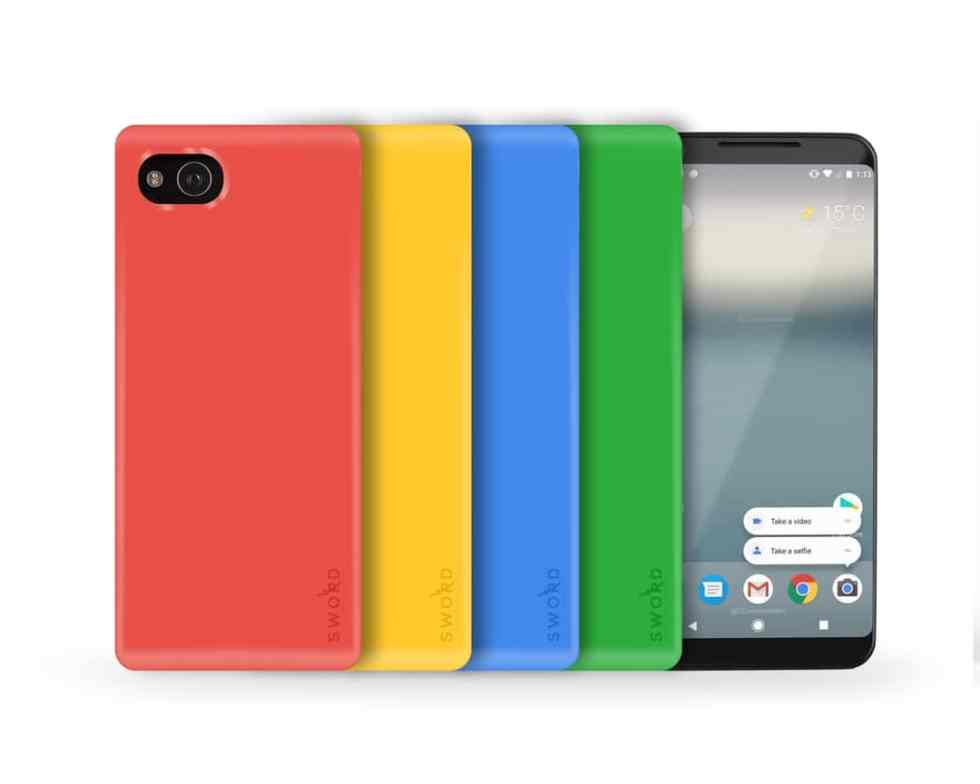
 Security checks have become the norm in airports, malls and many public places. While screening devices are often bulky, a more portable alternative is now available following the launch of SWORD, a mobile 3D image scanner that can be used with smartphones.
Category: Gadgets
Kerusso shares daily devotional via Alexa
 Amazon Echo users can tune in to daily devotional as part of the Alexa flash briefing, thanks to a service launched by Christian apparel company Kerusso.
Giant notebook and graphics card spotted at Computex

By Edward Lim
Computex seems to have mellowed down over the years. While the show floor used to be filled with booth girls and exhibitors literally pushing bags and tchoichke in the past, this is no longer the case.
Huawei and Xiaomi lead smartphone growth in Q1

China smartphone makers Huawei and Xiaomi grew strongest as the market recovered in Q1, according to Gartner.
Computex dishes out 35 Best Choice Awards
 As a prelude to Computex Taipei next week, co-organiser Taipei Computer Association (TCA) has announced 35 winners of the 17th Best Choice Award (BC Award).
Power efficient chipsets to drive edge AI
Power efficient chipsets are set to be the main driver as artificial intelligence (AI) moves makes a significant shift from the cloud to the edge, according to ABI Research.
ICT spending in APAC (sans Japan) to hit US$1.5t in 2021

Information and communications technology (ICT) spending in Asia/Pacific (excluding Japan) will hit US$1.5 trillion in 2021, according to IDC.
Apple douses Steam’s plan to put app into iPhone
 Online game distributor Steam’s attempt to release the free Steam Link app for iPhones has hit a roadblock from Apple.
Google moves to top of smart speaker market in Q1
 Google has ousted Amazon from the perch of the global smart speaker market. According to Canalys, Google shipped 3.2 million units with its Google Home and Google Home mini series , surpassing the 2.5 million units of the Amazon Echo series for the first time in Q1.
Bigger yet smaller with NVIDIA Max-Q
 Razer has unveiled a new version of its Razer Blade gaming notebook that sports a bigger screen, smaller bezel and the NVIDIA Max-Q design, an innovative approach to designing the world’s thinnest, fastest, and quietest gaming laptops.
Cryptocurrency and Carry
 Singapore-headquartered Carry is teaming up with Spoqa of South Korea to bring cryptocurrency payment and blockchain-enhanced loyalty points to brick-and-mortar retailers.
India smartphone market posts strongest Q1 shipment
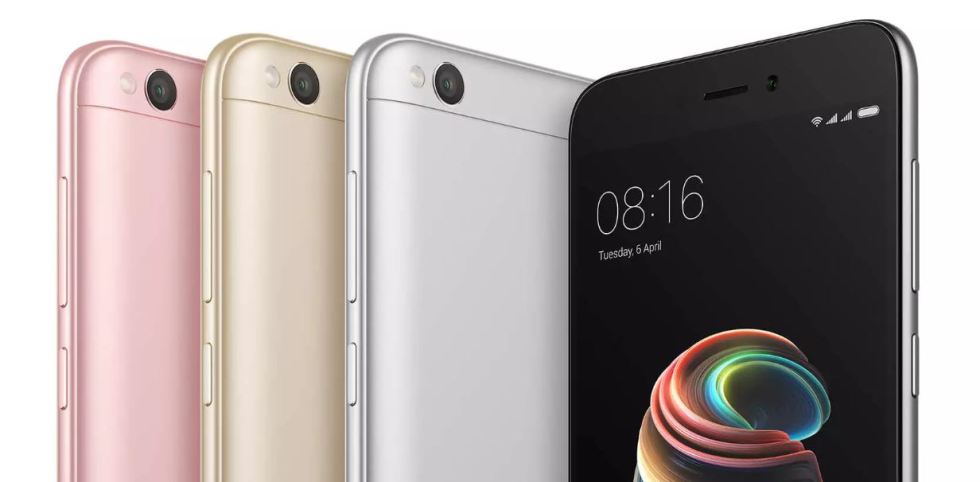
The India smartphone market shipped 30 million units in Q1, the strongest Q1 performance ever and an 11-percent growth year on year, according to IDC.
ZTE ceases activities
 ZTE has hit a massive roadblock that has resulted in the cessation of its business operations. China’s number 2 telecom equipment maker was hit by the US’s seven-year blockade to vital components needed for its devices.
Singtel and Razer to unite e-payment network
 Singtel and Razer have signed a memorandum of understanding (MOU) to connect their respective e-payment systems into an interoperable network to reach out to up to 50 million users in Southeast Asia.
Xiaomi bucks trend as China smartphone market dips in Q1
 In a quarter when the China smartphone market experienced it biggest ever decline, Xiaomi bucked the trend and grew 37 percent to 12 million units, according to Canalys.
Xiaomi tops India smartphone market in Q1

Building on a momentum of 155 percent annual shipment growth in India last year, Xiaomi started Q1 at the top with a whopping nine million plus units to snag 31 percent market share, according to Canalys.
Forensic accountants uncover potential breaches at Trek 2000
 Thumb drive inventor Trek 2000 International may have breached Singapore laws, according to forensic accountants from RSM Corporate Advisory.
Amazon Echo Spot heads to Australia
 More smart speakers are heading to this part of the world. Amazon has announced that the Echo Spot is ready for pre-order in Australia.
Google Home and Home Mini come to Singapore
 Google Home lovers in Singapore, rejoice! The smart speakers — in both Home and Home Mini versions (above) — are now available at Google Store in Singapore.
Gaming and VR focus at Computex
 With the global gaming market expected to touch US$128.5 billion in 2020, this year’s Computex will have gaming and virtual reality (VR) as a focus area, alongside artificial intelligence (AI), 5G, blockchain, Internet of Things, and innovations and startups.
Friday the 13th launches on Friday the 13th
 Blue Wizard Digital waited and waited for this day — Friday the 13th — to release its game Friday the 13th: Killer Puzzle worldwide on iOS, Android, and Steam.
Razer Game Store on Lazada for Southeast Asia
 Razer has teamed up with Lazada to put its newly-launched Razer Game Store on the e-commerce platform for Southeast Asia.
Doogee unleashes 4 innovative smartphones
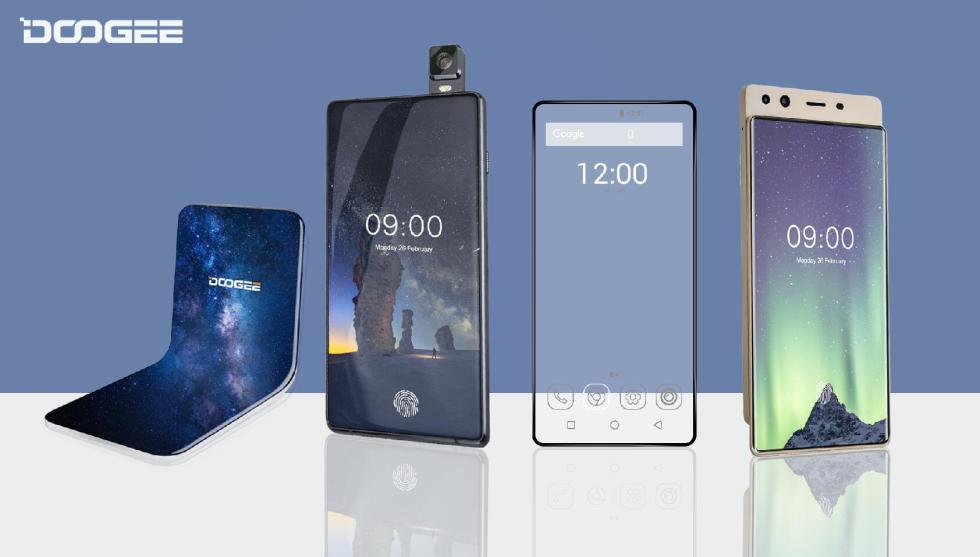 Shenzhen-based Doogee is not one for the humdrum. While most other smartphones sport mostly similar technologies, this maker has decided to go for the different feel with four new phones — the transparent Doogee TT, flip camera Mix 3, slide phone Mix 4, and flexible screen phone.
Razer Game Store goes live
 Gaming peripheral maker Razer has launched the Razer Game Store, a digital distribution platform for PC games.
Spotify goes public
 Leading music streaming site Spotify will be listed on the New York Stock Exchange today (New York time).
H2O.ai optimises Driverless AI and H2OGPU for NVIDIA
 H2O.ai has announced that its Driverless AI automated machine learning platform and H2O4GPU open source GPU-accelerated machine learning package are now both fully optimised for the latest-generation NVIDIA Volta architecture GPUs — the NVIDIA Tesla V100 — and CUDA 9 software.
It’s a GAG!
 NVIDIA pulled a fast one on the media with the announcement of the GeForce Academy of Gaming over the weekend.
IoT goes deep
 Arm is taking its recently-announced Project Trillium a step further with a collaboration with NVIDIA. The partners will bring the open-source NVIDIA Deep Learning Accelerator (NVDLA) architecture into Project Trillium platform for machine learning.
Safer self-driving car tests with NVIDIA Drive Constellation
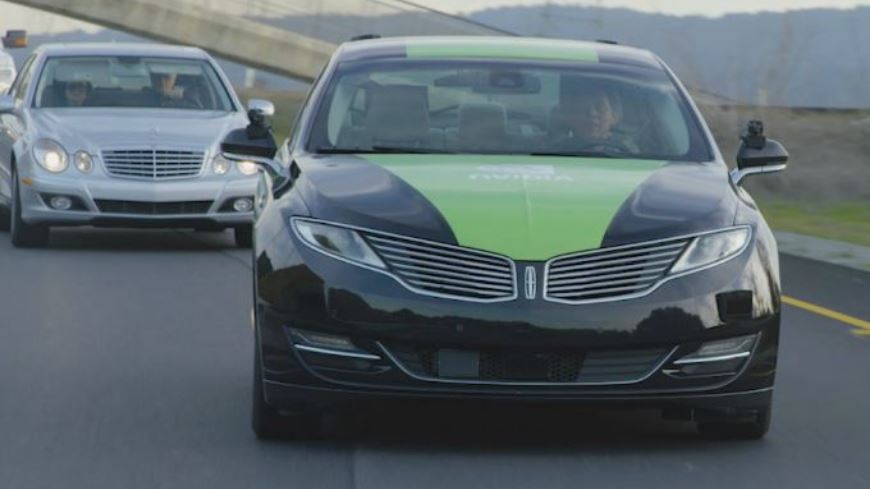
 A number of self-driving cars sporting NVIDIA’s autonomous driving technologies were present at GPU Technology Conference in San Jose this week. However, none was available for a test drive — a sensible move by NVIDIA in the light of the fatal Uber self-driving car accident the week before.
Sad day for autonomous vehicles
 A 49-year-old woman has become the first pedestrian to be killed by an autonomous vehicle.
Bangladesh smartphone market continues growth trajectory
 Bangladesh mobile operators began offering 4G services last month, albeit in limited areas, after gaining the necessary licences.
Amazon Echo laughter freaks users
 While laughter is said to be the best medicine, it can send chills down the spines of hearers, as in the case of the mysterious laughter coming from Amazon Echo.
Something old, something new
 The telecommunications industry, specifically mobile communications, is converging in Barcelona this week. Even before Mobile World Congress (MWC) kicks off today, two companies have fired the first salvo with something old, something new.
Hardwarezone hacked!
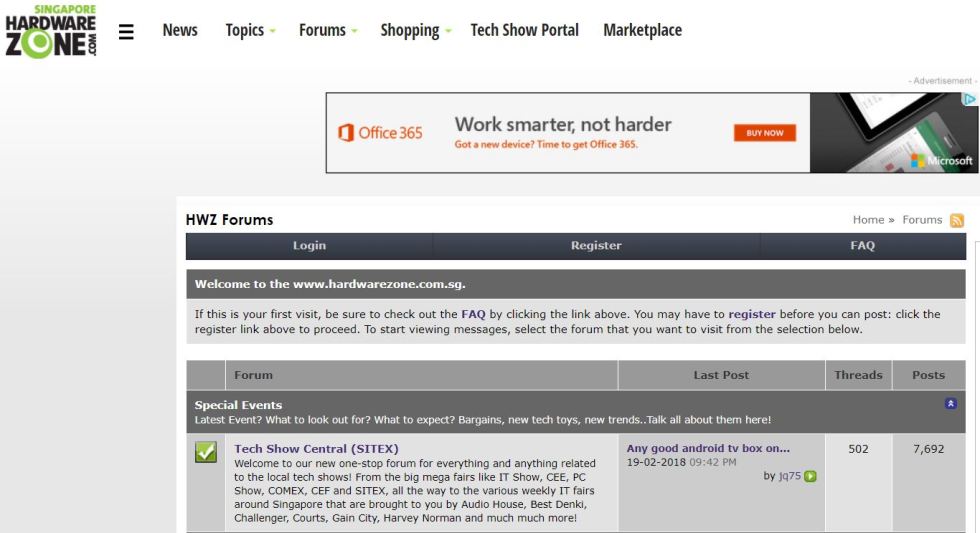 Hardwarezone (HWZ), a leading technology website and forum in Southeast Asia, was hacked with data of 685,000 registered users compromised.
Singapore creates drone zone

With concerns over privacy, security and safety, drone flying has been limited to only certain areas and heights. However, recognising the need to test unmanned aircraft systems (UAS), the Singapore government has established the nation’s first drone estate.
Apple Watch outsells Swiss watches
 How the watch industry has changed! As a show of its strength and popularity, Apple Watch has taken the crown, not just among smartwatches, but outselling the entire Swiss watch industry in Q4. Now, that’s quite an accomplishment!
Samsung to make cryptocurrency mining chip
 Cryptocurrency mining has been given a boost with the revelation that Samsung is working on chip just for that purpose.
Apple iPhone X is holiday bestseller despite axe rumours
 Amid rumours that Apple was going to axe the iPhone X came encouraging sales numbers by Canalys.
Chery to pop NVIDIA-powered ZP ProAI system into autonomous vehicles
 China carmaker Chery has adopted the new ZP ProAI system, powered by NVIDIA Drive AI self-driving technology, for its autonomous vehicles. The move will bring Level 3 autonomous driving to the world’s biggest auto market.
Global IT spending to rise to US$3.7t in 2018
 Global IT spending is expected to grow to US$3.7 trillion in 2018, an increase of 4.5 percent from 2017, according to Gartner.
Gaming monitors get bigger

BFGD — that’s the new acronym that gamers need to know. Introduced by Jensen Huang, CEO of NVIDIA this week, it stands for Big Format Gaming Display.
Smart speaker adoption to rise in 2018
Amazon and Google went head to head in the smart speaker market last year and the battle is expected to be more intense in the coming days with more players joining the fray.
Apple apologises
 Apple has apologised for slowing down the performance of older iPhone models to prevent accidental shutdowns due to aging batteries.
Apple caught slowing down
 The names Benjamin Lazarus, Jeffrey Aberman, Stephen Margolis, Sandy Brodsky, and Victoria Childs are probably unfamiliar to most. But inthe days to come, they may become more popular.
Learn robotics at Udacity
 Robotics is no longer just a hobby but serious stuff. NVIDIA’s Deep Learning Institute is now working with online learning provider Udacity to develop a programme that will immerse students in the field of robotics, giving them career-ready skills.
Robotaxis are coming!
With the advent of robotaxis, car sales are expected to peak in 2022, according to Canalys.
Pre-order Razer smartphone on November 23

Razer’s first smartphone will be available for pre-order in Singapore on November 23.
Sweet quarter for Apple in China
The launch of the iPhone 8 and drop of prices of older models have helped Apple turn in a sterling quarter in China, with shipment rising 40 percent to 11 million units this Q3.
Enter the gaming smartphone

Finally, a smartphone that’s made for gamers. Razer has launched in London the latest high-end smartphone with a focus on mobile gaming.
But what makes this phone different from others in the market? And how does it enhance the mobile gaming experience?
Samsung Pay extended to smartwatches
Guess it was only a matter of time as Samsung Pay has been extended to the Gear 3 and Gear Sport. This will let consumers use their smartwatches, on top of their smartphones, to make […]
Smartphone makers in a rush?
 In 2016, Samsung had battery overheating issues with its Note 7. Recently, Apple is constantly pushing out iOS 11 fixes to improve battery life for the iPhone 8. And now, Google is working on a solution to address the screen burn-in issues of the Pixel 2.
What’s happening? Are smartphone makers in such a rush to launch new phones that they are cutting short quality tests? Admittedly, this is the probably the hottest segment of the consumer technology market and every player is trying its best to outdo each other.
According to IDC, the worldwide smartphone market will reach a total of 1.53 billion units shipped in 2017, up 4.2 percent from the 1.47 billion units shipped in 2016. That’s a lot of phones and perhaps the reason why makers are hurrying to snare a share.
GeForce GTX 1070 Ti arrives on November 2
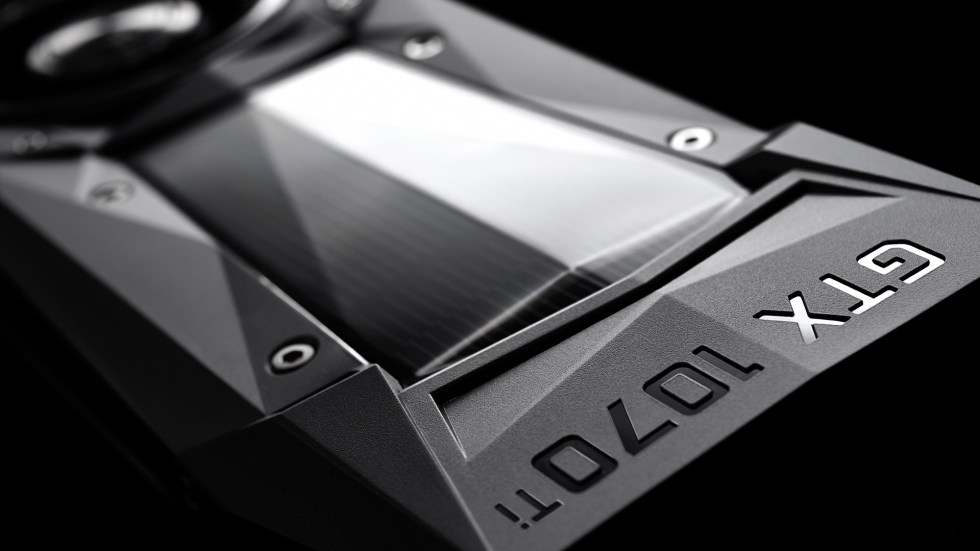 No matter how hard NVIDIA tries to keep things quiet, it always seems that some sites out there know something about unannounced products. Case in point is the much touted GeForce GTX 1070 Ti.
Media frenzy was already high in the weeks running up to the announcement, thanks to drips of information that were permeating the Web.
NVIDIA finally announced it hours ago in a blog post. Truth be told, it sounds like a good product with its award-winning Pascal GPU architecture, 2,432 cores and 8GB of memory running at 8Gbps for a total bandwidth of 256 GB/s. And it performs twice as fast as the immensely popular GeForce GTX 970.
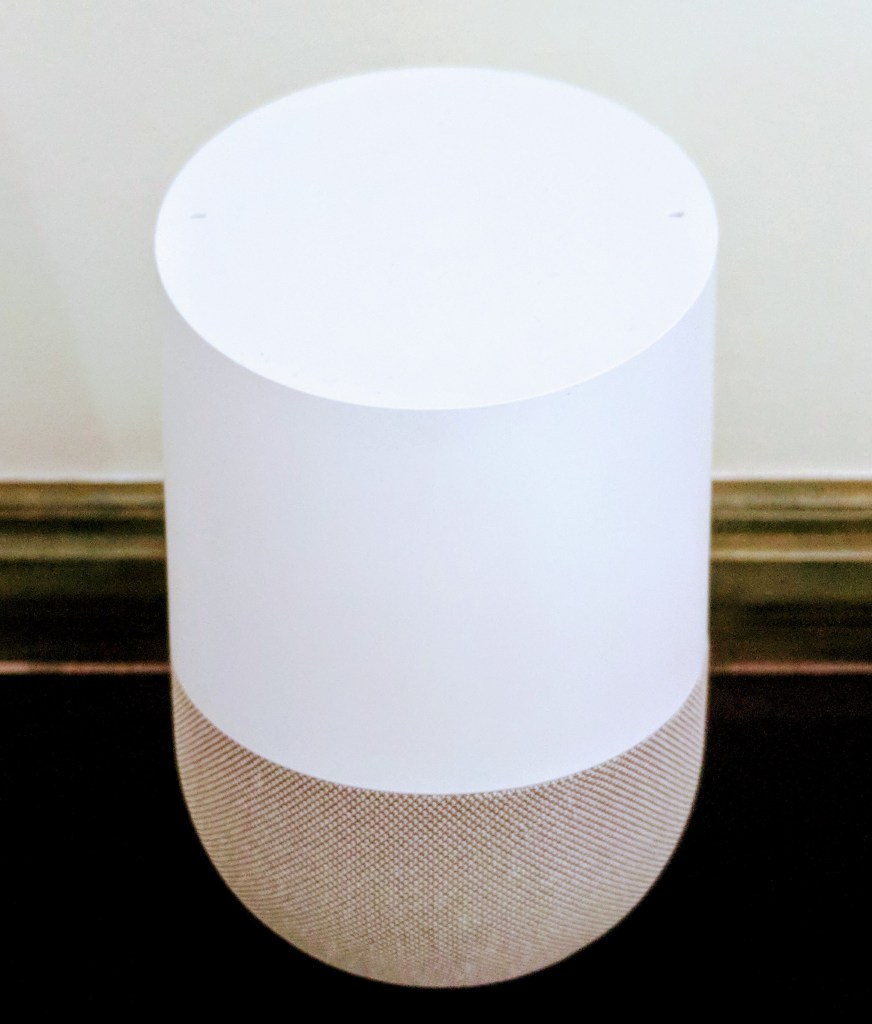
5 reasons why I like Google Home
 By Edward Lim
Perhaps it’s something like a forbidden fruit. The harder it it to get, the more we want it. Google tempted us with the Google Home smart speaker but it was not available in Singapore or anywhere in the region. It was only in July that the device was finally available in Australia.
Anyway, as with most gadget lovers, there’s always a way to get our hands on the desired device. In my case, I managed to snare one in Walmart in San Jose while attending a conference there in April. Actually, I bought two — one as a gift to a friend.
E-commerce to account for a quarter of retail sales by 2025
 Greater internet and mobile device accessibility are driving e-commerce growth in Southeast Asia.
According to ABI Research, Smart Retail has gone through revolutionary changes in the past 10 years and will exponentially continue to do so going forward. Brick and mortar stores are no longer the only option for consumers across the globe to make their everyday purchases, due to significant advancements in technology, both in-store and online.
Key players include Senion, who implements some of the world’s largest Indoor Positioning System (IPS) solutions to enhance in-store experiences, and AisleLabs who provides shopper traffic behavior analytics to help retailers optimise store layouts. Leading POS software vendors, Shopkeep and Square are allowing retailers to sell across multi-channels from a single platform. These and other key vendors are paving paths to making the offline and online worlds seamless experiences.
Robotaxis on the way
 No steering wheels, pedals or mirrors. Sounds like science fiction but the fully autonomous robotaxi is on its way with the launch of a new system that NVIDIA has codenamed Pegasus.
Pegasus extends the NVIDIA Drive PX AI computing platform to handle Level 5 driverless vehicles. NVIDIA DRIVE PX Pegasus delivers over 320 trillion operations per second — more than 10 times the performance of its predecessor, NVIDIA DRIVE PX 2, announced Jensen Huang, Founder and CEO of NVIDIA at his keynote address at GTC Europe in Munich.
Robotaxis powered by NVIDIA DRIVE PX Pegasus will have interiors that feel like a living room and arrive on demand to safely whisk passengers to their destinations, bringing mobility to everyone, including the elderly and disabled.
Google sets up online Singapore store
 Hurray, Google has finally set up an online store for Singapore! Amid the flurry of announcements made yesterday, this is probably the most significant for those in Singapore. After all, what’s the point of reading and hearing about all the launches in recent years without being able to buy the products anywhere in the country.
The bad news, however, is that only three products were listed on the Google Wifi, Google Chromecast and the newly-launched Google Pixel 2 XL.
Google’s latest smartphone sports front-facing stereo speakers, and front and rear cameras capable of producing amazing shots using fused image stabilisation of optical and digital zoom. Though the headphone jack is gone, Google has introduced Pixel Buds that can translate up to 40 languages on the fly.
Nokia 3310 makes comeback at under S$100
 Nokia’s announcement at Mobile World Congress in February that it was resurrecting the iconic Nokia 3310 was met with enthusiasm, which was quickly dampened when the phone was said to run on 2.5G.
However, Nokia has responded remarkably by upgrading the 3310 to 3G and making it available at “below S$100”.
“Our fans around the world have been asking for this iconic phone to support 3G. Fans asked, we listened, and today welcome the Nokia 3310 3G,” said Mr Juho Sarvikas, Chief Product Officer of HMD Global, maker of the Nokia phone.
Enterprise wearables to hit 118m units in 2022

Enterprise wearable shipment will reach over 118 million in 2022, increasing from just over 38 million in 2017, a CAGR of 25 percent, according to ABI Research.
The enterprise wearables market is continuing to see stronger growth than the consumer market, which has shipment numbers increasing at a lower CAGR of 13 percent.
Healthcare devices, wearable cameras, and wearable scanners will account for 73 percent of enterprise wearable shipments in 2022. Innovative companies are leading the charge, such as Royole with flexible components, Waverly with real-time translation, and Axon (previously Taser) with wearable cameras.
Google snares HTC hardware talents
Google is flexing its muscles in the hardware business with the acquisition of a team of hardware talents from HTC. The move marks another milestone in a decade-long relationship between the two companies. “These future […]
New Apple iPhone is real X — for eXpensive!
Even though the X in the newly announced iPhone X is supposed to be pronounced as “10”, it can be interpreted as eXpensive. At S$1,648 for the 64GB version and S$1,888 for the 256GB iteration, […]
 Entelechy Asia